Sam Altman Proposes Government Stake in OpenAI Through Public Wealth Fund Model
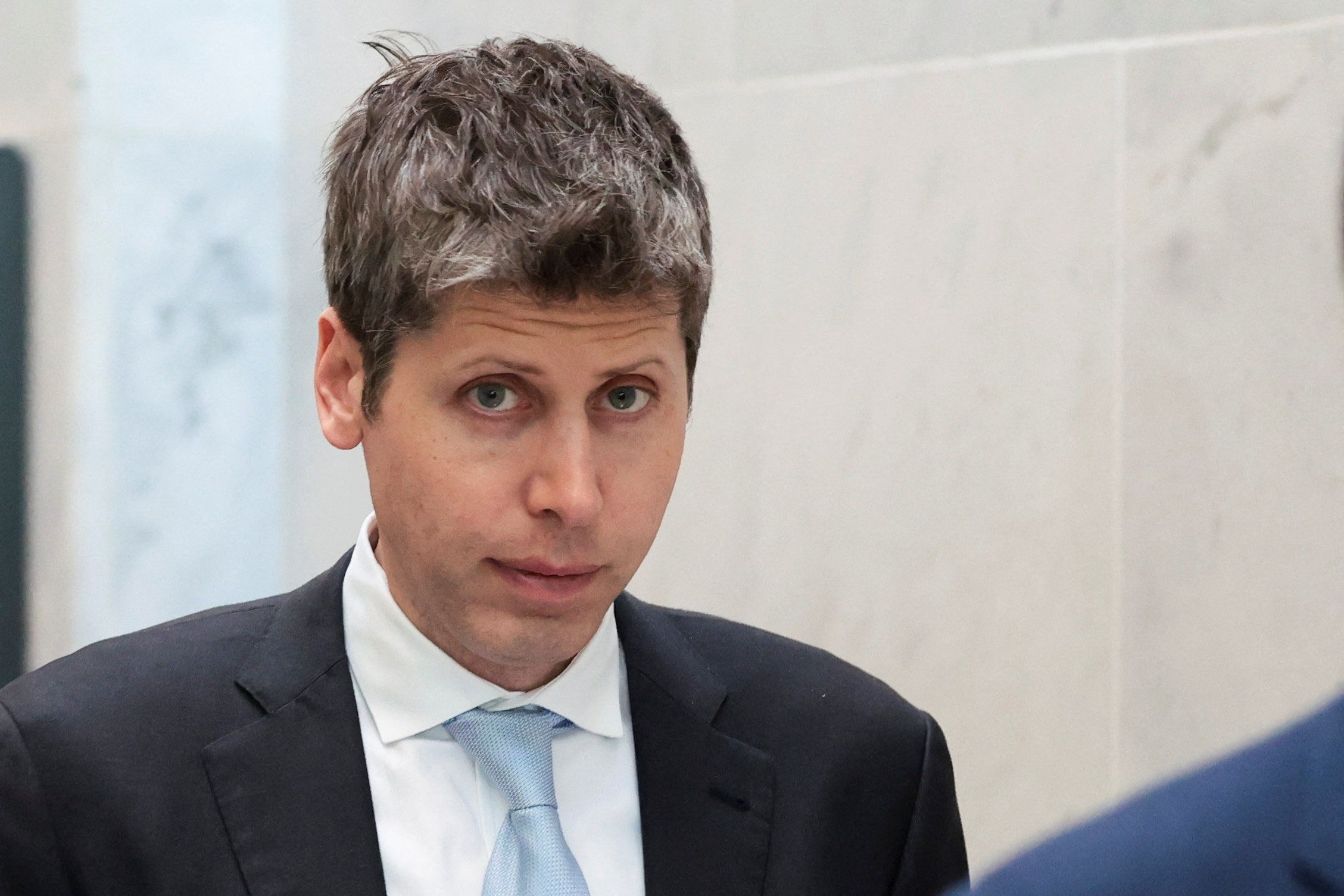
OpenAI CEO Sam Altman has pitched a plan to give the U.S. government an equity stake in his company, structured as a "Public Wealth Fund" that would distribute returns directly to American citizens. The proposal combines elements of Alaska's Permanent Fund with Trump Accounts and has drawn bipartisan interest, including support from Senator Bernie Sanders. President Trump indicated he may discuss similar arrangements with major AI firms this week, framing it as a way for Americans to benefit from AI's success.
Sam Altman has proposed ceding equity in OpenAI to the Trump administration through a hybrid model inspired by Alaska's Permanent Fund and Trump Accounts. Under this "Public Wealth Fund" structure, OpenAI would donate equity with returns flowing directly to U.S. citizens. The proposal, first detailed by OpenAI in April, has attracted bipartisan support—Altman recently met with Senator Bernie Sanders, who has endorsed a similar concept. President Trump told reporters Friday that he may discuss comparable arrangements with major AI companies as soon as this week, emphasizing that "the American people can benefit from the success of AI." The exact timing and participants of any such meeting remain unclear.
What's missing
The article does not specify what percentage of equity Altman originally offered, the financial mechanics of how returns would be distributed to citizens, or details on how such an arrangement would be structured legally and tax-wise.
What different sources said
- SemaforCenter
Inside Altman’s pitch on government AI stake
Related

Blacksmith CI Service Charges $1,081 to User on Free Trial Without Credit Card on File
A developer team using Blacksmith, a GitHub Actions alternative, received a $1,081 invoice after exceeding free tier limits without having provided a credit card. The company's free trial continued accruing charges rather than stopping service, contrary to typical SaaS conventions. The incident raises questions about whether such billing practices are legally permissible and whether they align with user expectations.

Apple Testing Camera-Equipped AirPods for AI-Enhanced Siri, But Privacy Concerns May Delay Launch
Apple has designed AirPods with built-in cameras to give Siri visual context for user requests and is in late-stage testing with employees, according to Bloomberg reporting. The cameras would enable features like landmark-based navigation, food identification, and smarter contextual assistance, though they would not record photos or video like smart glasses. However, Wired reports Apple may delay the product due to insufficient AI capabilities and executive concerns about privacy risks without compelling use cases.

AI Companies Adopt Serif Fonts to Signal Trustworthiness and Human Touch
AI companies like Claude, Perplexity, and Runway are increasingly using serif fonts in their branding and user interfaces, a shift designers attribute to efforts to make artificial intelligence appear more human and trustworthy. Serif typefaces, historically associated with print media, books, and authority, contrast with the cleaner sans-serif fonts often perceived as computer-like and cold. The trend reflects broader public skepticism about AI and companies' attempts to build confidence in their products through design choices that evoke human craftsmanship and reliability.