Respect for Marriage Act Passes Senate with Bipartisan Support, Includes Religious Exemptions
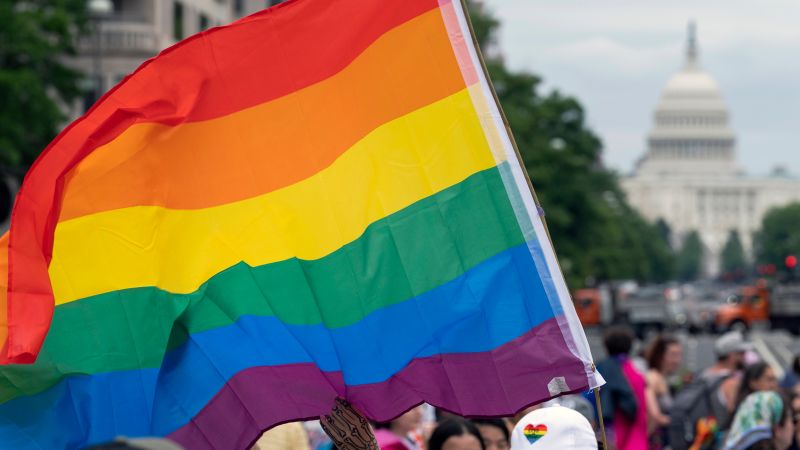
The Senate passed the Respect for Marriage Act with support from 12 Republicans, codifying same-sex marriage protections into federal law. The bill would require states and the federal government to recognize same-sex marriages conducted in states where it is legal, but does not mandate all states legalize same-sex marriage and includes religious exemptions. The legislation serves as a safeguard against potential Supreme Court reversal of the 2015 Obergefell decision, reflecting a dramatic shift in bipartisan attitudes toward marriage equality.
The Senate voted to advance the Respect for Marriage Act with bipartisan support, including 12 Republican senators who voted to overcome a filibuster before Thanksgiving. The bill codifies federal protections for same-sex marriage and would require states and the federal government to respect marriages conducted in jurisdictions where they are legal, should the Supreme Court overturn the 2015 Obergefell v. Hodges decision. However, the legislation contains significant limitations: it does not require all states to legalize same-sex marriage, and it includes religious exemptions protecting nonprofit and religious organizations from having to provide support for same-sex marriages. Republican supporters emphasized these religious freedom protections as essential to their support. The bill now moves to the House for consideration before President Biden can sign it into law. The legislation represents a striking reversal from the 1990s when Republicans and Democrats jointly supported the Defense of Marriage Act, with public support for same-sex marriage growing from approximately 25% in 1996 to 71% in recent Gallup polling.
What different sources said
- CNN PoliticsLeft
The fine print of the Respect for Marriage Act
Related

Nigel Farage Returns to Public View After Seven Weeks of Limited Appearances Following £5m Donation Controversy
Nigel Farage, leader of Reform UK, re-emerged publicly on Wednesday after seven weeks of largely avoiding media scrutiny following revelations that he received a £5 million personal gift from a crypto billionaire. The donation has been explained differently in various interviews—as payment for security, a Brexit reward, and other justifications—while Farage has cancelled events and limited public appearances. His return comes as Reform UK loses political ground to the further-right Restore Britain party, and observers suggest his absence has been an attempt to dodge accountability on the donation's origins and propriety.

Meta Employee Detained by Immigration Authorities Following Company Layoffs
A former Meta employee who was laid off on May 20 was recently detained by US immigration authorities, according to internal company communications reviewed by WIRED. The employee, whose nationality and visa status remain unconfirmed, was believed to be detained in El Paso, Texas, near the US-Mexico border. The incident highlights vulnerabilities for international workers on visa sponsorships who lose employment and the broader context of intensified immigration enforcement under the Trump administration.

EPA Replaces Desk Phones with Laptop Calling Software; Union Raises 911 Safety Concerns
The EPA replaced employee desk phones with calling software on laptops, prompting the largest EPA employee union to raise safety concerns about 911 geolocation functionality. The union claims the software does not reliably transmit location data to emergency responders, creating potential risks during medical emergencies. The issue highlights broader workplace safety and emergency response reliability questions in federal agency modernization efforts.