Researchers Study Ice Plant's Optical Properties for Biomimetic Material Design
Scientists are investigating the microscopic surface structures of hardy ice plants to understand their optical properties and light-reflecting capabilities. The research builds on broader biomimicry efforts that examine how organisms like butterflies and birds use structural features to control light interaction for biological functions. This work could inspire development of new reflective materials and optical technologies with practical applications.
Researchers are examining the optical innovations found in hardy ice plants, which possess microscopic surface structures that interact with light in distinctive ways. This research is part of a larger scientific effort to understand how living organisms—including butterflies, birds, and flowering plants—use structural features to control light reflection, absorption, and scattering. These natural optical effects serve important biological purposes such as attracting pollinators, enabling communication, providing camouflage, and protecting against environmental stress. By studying these naturally occurring photonic structures, scientists aim to develop advanced biomimetic materials and optical technologies that replicate these principles. The ice plant's specific optical properties could offer unique insights for creating reflective surfaces with novel applications.
Limitations & open questions
The article lacks specific details about which research institution conducted this study, when the findings were published, or what particular optical properties of the ice plant distinguish it from other organisms already studied for biomimetic applications. Additionally, no information is provided about the timeline or practical applications being pursued.
What different sources said
- Phys.orgCenter
Hardy ice plant's optical innovation inspires reflective design possibilities
Related
New AI Framework Improves Evidence-Based Analysis for Muon Collider Research
Researchers have developed an AI system called agentic hybrid RAG that combines retrieval and reasoning techniques to help scientists find and verify evidence in muon collider research literature. The framework integrates both keyword-based and semantic search methods with AI reasoning to decompose complex queries and synthesize answers. This work addresses a growing need in high-energy physics for AI-assisted tools that can reliably navigate rapidly expanding scientific literature.

NASA Announces Four-Astronaut Crew for Artemis III Moon Mission
NASA named three U.S. astronauts and one Italian astronaut from the European Space Agency as the crew for Artemis III, scheduled to launch in 2027. The mission will conduct a docking demonstration in Earth's orbit and test moon landers from SpaceX and Blue Origin. The crew includes a veteran test pilot, a record-holder for longest U.S. spaceflight, and a first-time space flyer.
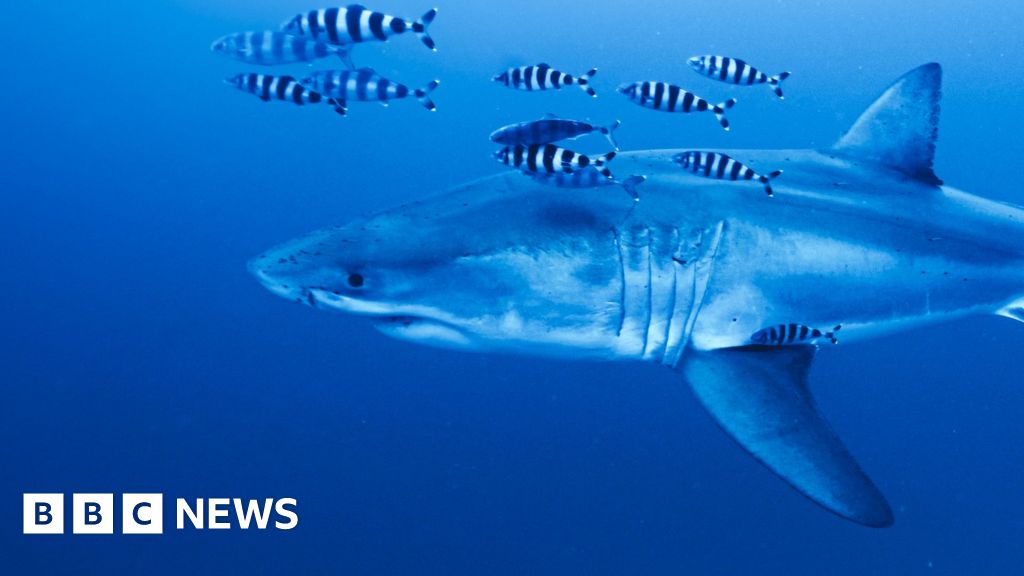
Rare Great White shark filmed in Mediterranean Sea between Tunisia and Sicily
A volunteer diver captured rare footage of a Great White shark in the Mediterranean Sea in May while working to document ghost fishing nets. The sighting is significant because Great Whites are thought to be near extinction in the Mediterranean due to overfishing. Conservationists hope the discovery will prompt governments to establish marine protected areas in the region.