Researchers Develop Theoretical Model to Explain How Isotopes Affect Spectroscopy Results

Researchers have developed a theoretical model to better understand how isotopes influence spectroscopy measurements used to identify atomic composition in materials. Spectroscopy works by analyzing how light interacts with atoms, and each atom type responds differently to light exposure. This advancement could improve the accuracy and reliability of spectroscopic analysis across scientific research and industrial applications.
Scientists have created a new theoretical framework to explain how isotopes—variants of atoms with different numbers of neutrons—affect the results of spectroscopy measurements. Spectroscopy is a fundamental analytical technique that identifies atomic composition by shining specific wavelengths of light onto a substance and measuring how that light is absorbed, emitted, or scattered. Since each atom type interacts with light in a unique way, researchers rely on these light-matter interactions to determine what elements are present in a material. The new model addresses a gap in understanding how isotopic variations influence these spectroscopic signatures, potentially enhancing the precision of this widely-used analytical method.
Limitations & open questions
The article excerpt does not specify which research institution developed the model, the names of the lead researchers, the publication venue, or the specific spectroscopy methods most affected by isotopic variations.
What different sources said
- Phys.orgCenter
Theoretical model developed to understand how isotopes change spectroscopy results
Related
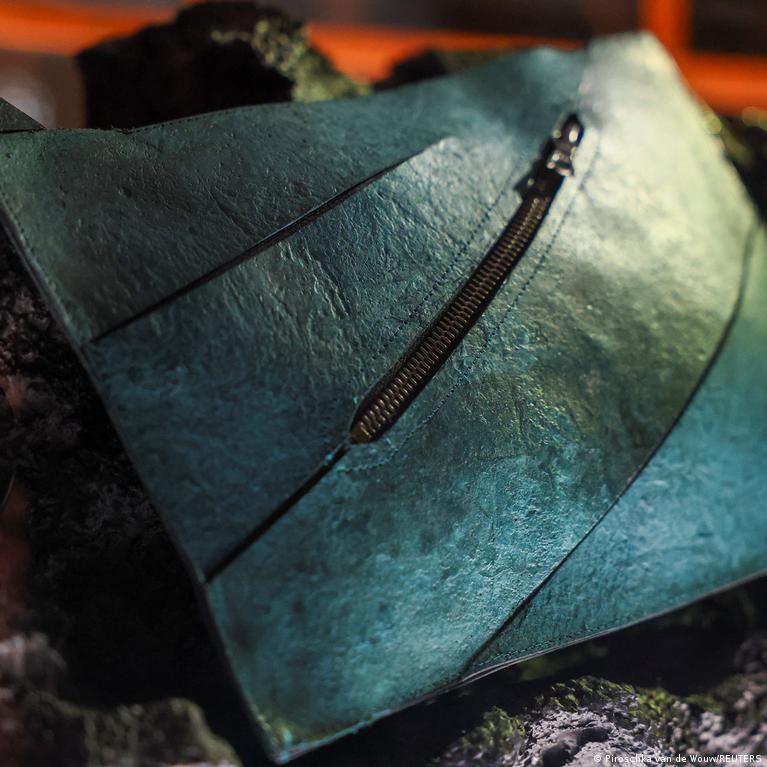
Lab-grown 'T. rex leather' handbag unveiled in Amsterdam, but scientists question dinosaur authenticity
Polish fashion label Enfin Leve unveiled a handbag made from lab-grown leather marketed as derived from Tyrannosaurus rex proteins at Amsterdam's Artis Zoo Museum in early April, with plans to auction it in Paris on June 11. The material was created using protein fragments discovered in a 66-million-year-old T. rex skeleton from Montana in the 1990s, combined with artificial intelligence reconstruction. However, paleoproteomics experts argue the resulting leather is approximately 90% chicken protein—since birds are dinosaurs' closest living relatives—and question whether the original fragments actually came from a dinosaur at all.

Study: Fishing Bycatch Does Not Lure Lesser Black-Backed Gulls Into Offshore Wind Farms
A study of lesser black-backed gulls from a Dutch island colony found that the birds avoid an offshore wind farm, contrary to researchers' initial hypothesis that fishing bycatch would attract them into the area. The research, led by NIOZ ecologist Rosemarie Kentie, examined gull behavior on weekends when fishing activity is minimal. The findings suggest that factors other than food availability may drive gull avoidance of wind farms, which has implications for understanding wildlife interactions with renewable energy infrastructure.

Japan's Hayabusa2 Probe to Observe Asteroid Torifune During July Flyby
Japan's Hayabusa2 spacecraft will observe asteroid Torifune on July 5 during a high-speed flyby at approximately 1 kilometer distance. The probe is currently on an extended mission following its successful 2020 return from asteroid Ryugu, with a target arrival at asteroid 1998 KY 26 scheduled for July 2031. The flyby will serve as a test of trajectory control technology that could be used to deflect asteroids on potential collision courses with Earth.