New Method Links Microglia Cell Shape to Gene Expression in Brain Tissue
Researchers developed a computational approach to connect the physical shape of microglia (immune cells in the brain) with their gene expression patterns using spatial transcriptomics data from human brain tissue. The study moves away from oversimplified classifications of microglia as simply 'resting' or 'activated' toward more nuanced understanding of their functional states. This framework could help researchers understand how microglia behavior changes in neurological diseases.
Scientists analyzed microglia morphology and gene expression simultaneously in human prefrontal cortex tissue using a technique called spatial transcriptomics combined with protein imaging. Rather than categorizing microglia into binary states, the researchers created computational tools (MicrogliaMorphology and MicrogliaMorphologyR) to classify individual microglia by their physical shape and link these morphological features to their gene expression profiles. The analysis used non-negative matrix factorization to account for contributions from multiple cell types and regional context. This methodological framework demonstrates how morphological characteristics of immune cells can be integrated with molecular data to provide a more complete picture of cellular function. The approach is designed to be scalable for larger studies and particularly useful for investigating how microglia change in disease contexts.
Limitations & open questions
The article does not specify whether this method has been validated in disease models or what specific neurological conditions might benefit most from this approach. Additionally, no information is provided about the sample size or whether results have been replicated in independent datasets.
What different sources said
- bioRxivCenter
Spatially-resolved integration of microglia morphological diversity and gene expression using Visium with protein co-detection
Related
New AI Framework Improves Evidence-Based Analysis for Muon Collider Research
Researchers have developed an AI system called agentic hybrid RAG that combines retrieval and reasoning techniques to help scientists find and verify evidence in muon collider research literature. The framework integrates both keyword-based and semantic search methods with AI reasoning to decompose complex queries and synthesize answers. This work addresses a growing need in high-energy physics for AI-assisted tools that can reliably navigate rapidly expanding scientific literature.

NASA Announces Four-Astronaut Crew for Artemis III Moon Mission
NASA named three U.S. astronauts and one Italian astronaut from the European Space Agency as the crew for Artemis III, scheduled to launch in 2027. The mission will conduct a docking demonstration in Earth's orbit and test moon landers from SpaceX and Blue Origin. The crew includes a veteran test pilot, a record-holder for longest U.S. spaceflight, and a first-time space flyer.
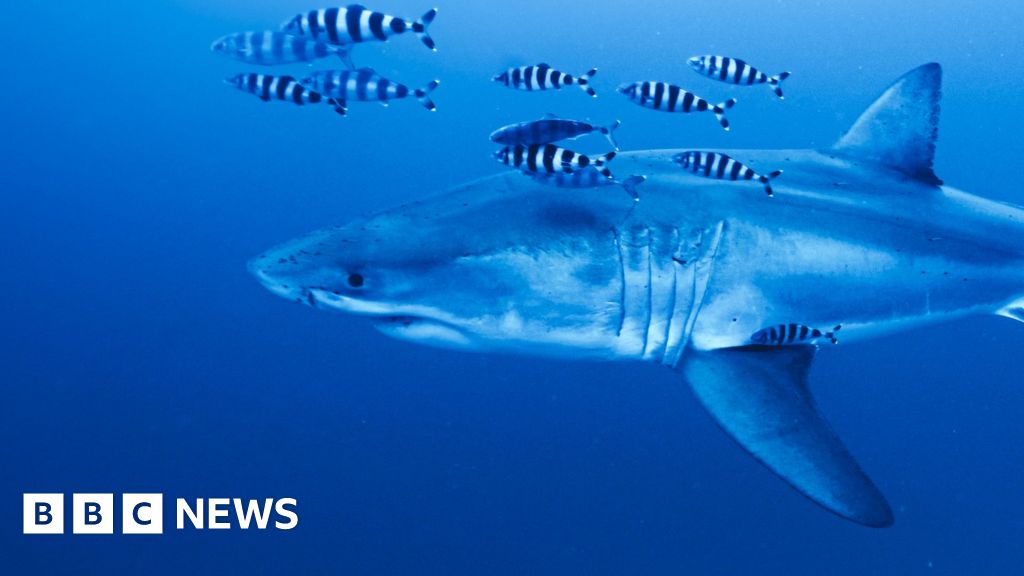
Rare Great White shark filmed in Mediterranean Sea between Tunisia and Sicily
A volunteer diver captured rare footage of a Great White shark in the Mediterranean Sea in May while working to document ghost fishing nets. The sighting is significant because Great Whites are thought to be near extinction in the Mediterranean due to overfishing. Conservationists hope the discovery will prompt governments to establish marine protected areas in the region.