Netanyahu and Erdogan Trade Sharp Accusations Over Israel's Military Actions and Jerusalem
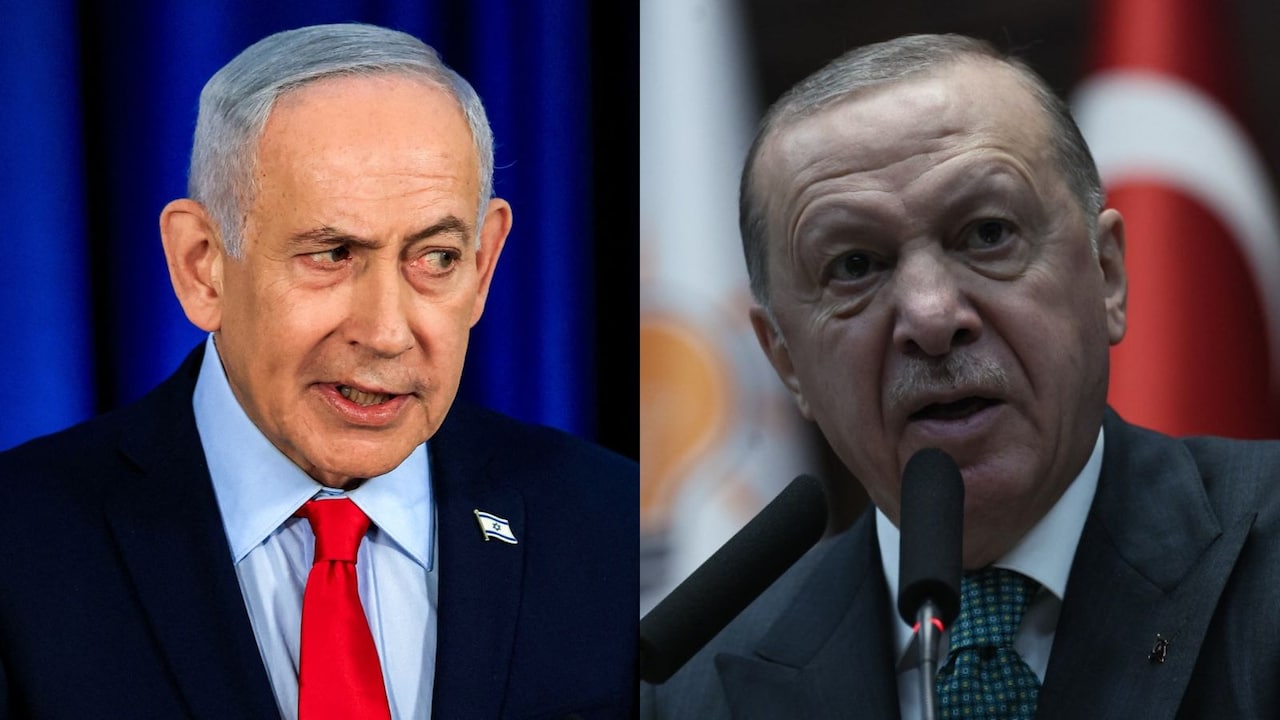
Israeli Prime Minister Netanyahu called Turkish President Erdogan an "antisemitic dictator" after Erdogan criticized Israel's strikes in Syria and Lebanon, while Turkey's interior minister declared Turkey would seek to "liberate" Jerusalem. The exchange reflects escalating tensions between the two countries over Israel's regional military operations and broader geopolitical disputes. The rhetoric underscores deepening divisions between Israel and Turkey, a former regional ally, over Middle East security and sovereignty claims.
Turkish President Erdogan criticized Israel's military strikes in Syria and Lebanon as threats to regional and global stability, warning that Turkey would respond strongly if its interests were threatened. In response, Israeli Prime Minister Netanyahu posted on social media calling Erdogan an "antisemitic dictator" who supports Hamas, oppresses political opponents, and commits genocide against the Kurds, arguing Erdogan has no moral standing to critique Israel. Turkey's interior minister escalated tensions further by stating that Turkey would achieve the "liberation" of Jerusalem and return it to Turkish sovereignty, invoking historical Ottoman claims. Israel's foreign ministry responded dismissively, stating the "Ottoman Empire is gone" and that Jerusalem would "remain the eternal capital of Israel." The confrontation reflects broader Turkish criticism of Israel's military operations in Gaza, Lebanon, and Iran, with Ankara having suspended trade with Israel and called for international action against it.
What's missing
The article does not provide context on the historical basis for Turkey's claims to Jerusalem or explain why an Ottoman-era claim is being invoked in 2026. Additionally, the specific nature and scope of Israel's recent military strikes in Syria and Lebanon that prompted Erdogan's initial criticism are not detailed. The article also lacks information on the current status of Turkish-Israeli relations beyond trade suspension and diplomatic criticism.
What different sources said
- NDTVCenter
Turkey Calls For "Liberating Jerusalem", Netanyahu Slams "Dictator" Erdogan
Related
Chevron and Argentine Shale Producers to Supply $3 Billion Natural Gas Liquids Project
Chevron and two other major Argentine shale producers are signing contracts this week to supply a natural gas liquids (NGL) project worth $3 billion. The supply agreements effectively guarantee the project will proceed, according to sources familiar with the matter. This development is significant for Argentina's energy sector and Chevron's operations in one of the world's largest shale reserves.

Sweden Donates Gripen Fighter Jets to Ukraine in Major Air Power Upgrade
Sweden has agreed to donate 16 Saab JAS 39 Gripen C/D fighter jets to Ukraine, with Kyiv purchasing 20 additional advanced Gripen E/F models, as part of a deal that could eventually reach 150 aircraft. The Gripen was designed during the Cold War to operate from austere locations and requires minimal ground crew, making it well-suited to Ukraine's operational environment. The acquisition represents a significant enhancement to Ukraine's air combat capabilities against Russian forces.

Military analysts assess potential challenges and risks of U.S. military intervention in Cuba
Military experts and Pentagon insiders are analyzing the potential difficulties and consequences of a possible U.S. military operation against Cuba under the Trump administration's pressure campaign. Cuba's cohesive communist government structure and loyal military differ significantly from Venezuela's fractured system, making regime change more complicated. The analysis highlights risks including humanitarian crises, migration surges, regional geopolitical shifts, and the absence of viable successor leadership.