Artificial Turf Contains Hundreds of Chemicals; Health Risks Remain Unclear

Artificial turf fields contain approximately 400 chemicals, some linked to cancer and hormone disruption, raising health concerns among athletes and communities. FIFA has banned synthetic turf from World Cup matches due to established injury risks and extreme surface temperatures. The actual health danger to players and users remains scientifically uncertain despite the chemical presence.
Artificial turf installations contain around 400 chemicals, with some compounds associated with cancer and endocrine disruption, according to recent analysis. FIFA has long prohibited synthetic turf from World Cup competitions, primarily because of well-established increased injury risks to players and the material's tendency to cause severe turf burns—the surface can reach temperatures up to 200 degrees Fahrenheit. In preparation for the 2024 World Cup in Los Angeles, SoFi Stadium installed a hybrid turf system combining natural grass over an artificial base to meet FIFA's requirements for predominantly natural-grass playing surfaces. While the chemical composition of artificial turf is documented, the article indicates that determining whether these chemicals actually pose unsafe health risks requires further investigation.
What's missing
The article does not provide specific information about which chemicals are present in artificial turf, what their concentrations levels are, or what the actual epidemiological evidence shows regarding health outcomes in athletes or communities with chronic exposure to synthetic turf fields.
What different sources said
- Live ScienceCenter
Artificial turf contains 400 chemicals tied to cancer and hormone disruption. But is it unsafe?
Related

San Diego Plastic Surgeon Ordered to Stop Practicing After Failing Alcohol Tests While on Probation
Dr. Abhay Gupta, a San Diego-area plastic surgeon, has been ordered to cease practicing after testing positive for alcohol three times within 10 days while under probation conditions. Gupta's medical license was revoked in 2022 following a 2019 DUI conviction, but he was allowed to continue operating under strict conditions including alcohol abstinence and regular testing. Patient advocates are raising concerns about how many patients may have been affected during the years of disciplinary actions.

Employers Face 'Prisoner's Dilemma' Over GLP-1 Coverage Decisions
Pharmaceutical and benefits industry leaders discussed at a Newsweek webinar why only 36% of employers cover GLP-1 therapies despite evidence that obesity costs the U.S. healthcare system over $261 billion annually. The debate centers on a 'prisoner's dilemma' where individual employers hesitate to invest in treatments whose financial returns may take years to materialize, even though not covering them carries significant long-term costs. The discussion highlights how GLP-1 coverage decisions could affect workforce retention and talent recruitment, particularly among younger employees.
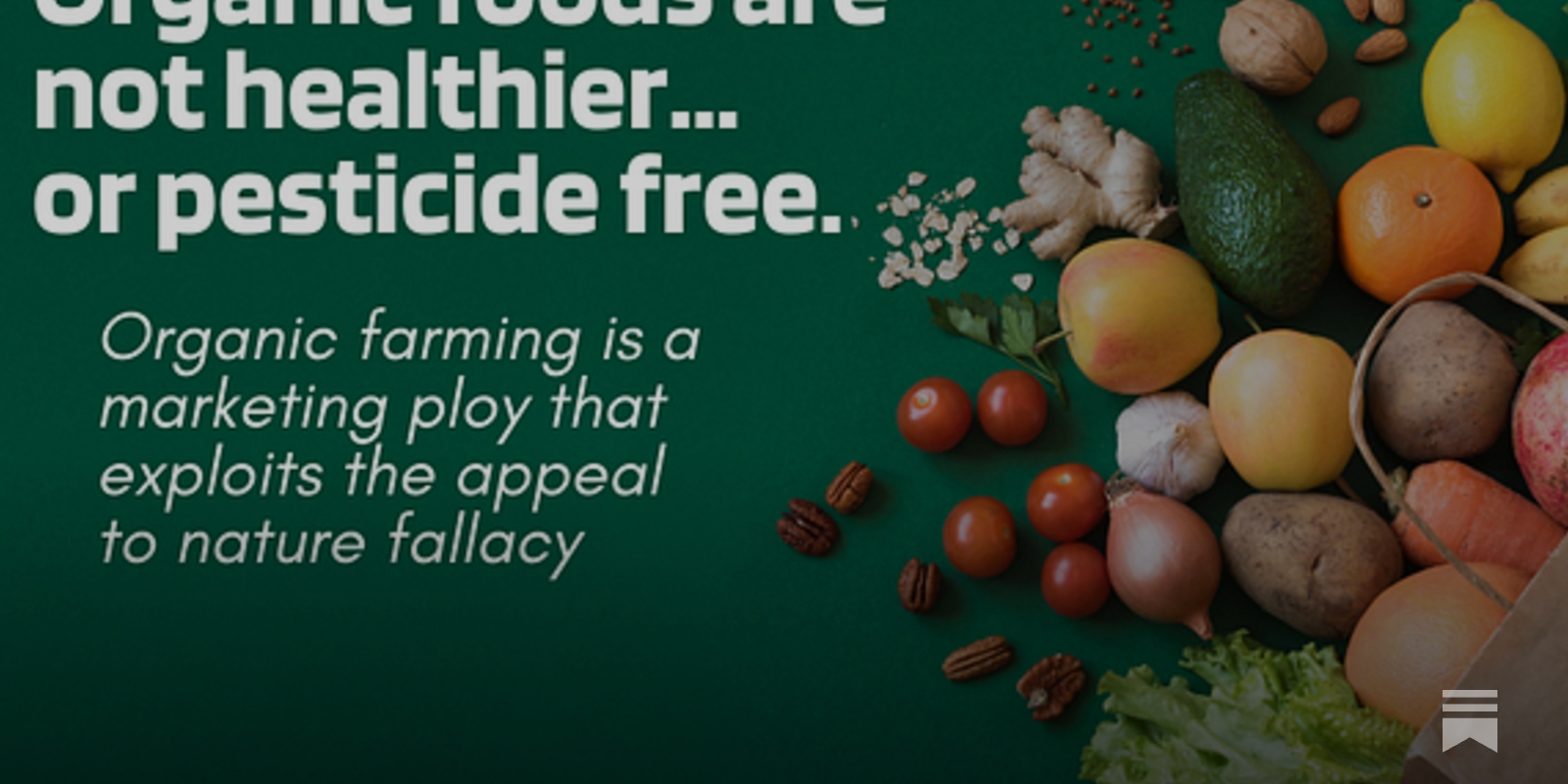
Organic Foods Not Demonstrably Healthier or Pesticide-Free, Says Biomedical Scientist
A biomedical scientist argues that organic foods are not healthier or pesticide-free despite consumer beliefs, noting that organic certification only restricts synthetic chemicals while allowing approved natural pesticides. The organic food industry, worth $181.5 billion as of 2022, grew from consumer demand driven by misinformation rather than scientific evidence. This matters because consumers often pay 50% premiums for organic products based on false health and safety assumptions.