MTN and African Telecoms Operators Push for Shared Infrastructure Model to Close $100 Billion Digital Gap
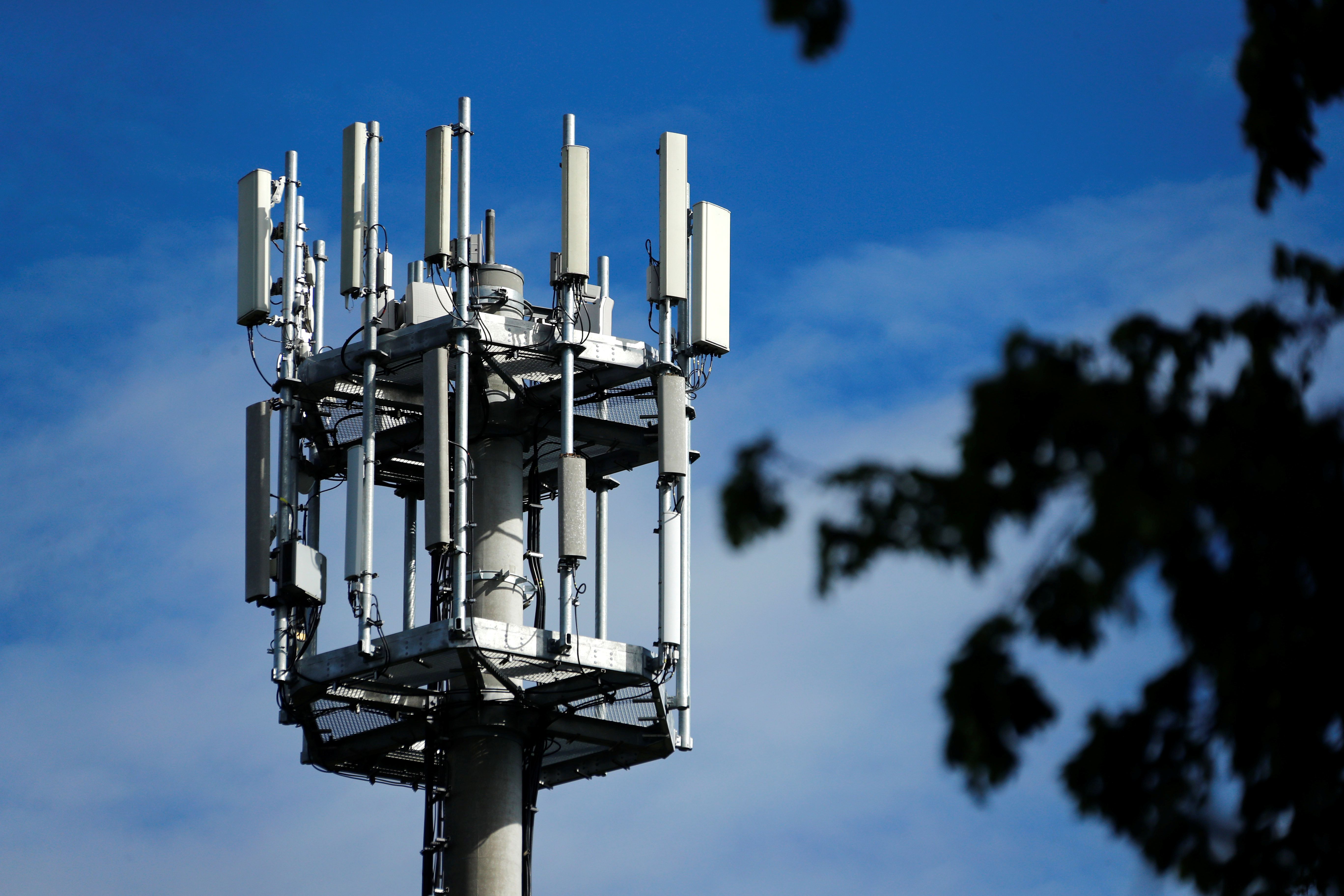
MTN Group and five other major African telecom operators are advocating for shared network infrastructure rather than competing private networks to address the continent's $100 billion digital infrastructure deficit. The African Group of Six alliance, representing 60-65% of Africa's subscriber base, argues that treating telecom infrastructure as a public utility rather than competitive assets is necessary for scaling 5G and AI services. The shift reflects recognition that the traditional model of individual operators building duplicate networks is economically unsustainable given capital constraints and the complexity of modern digital services.
MTN Group, Africa's largest mobile operator, is leading an industry initiative to fundamentally reshape how African telecommunications infrastructure is developed and financed. Rather than the traditional competitive model where each operator builds proprietary networks of cables and towers, MTN and the African Group of Six alliance propose shared ownership and co-investment in critical infrastructure. The alliance, established in 2023 and including Vodacom, Airtel Africa, Orange, Axian Telecom, and Ethio Telecom, controls 60-65% of the continent's mobile subscribers. Industry and World Bank estimates place Africa's digital infrastructure funding gap at $100 billion, a figure too large for any single company to bridge while simultaneously investing in next-generation technologies like 5G and localized AI models. Beyond infrastructure sharing, the operators are lobbying governments to remove import duties and luxury taxes on entry-level smartphones and are launching a pilot program to distribute $40 4G devices in six target countries. The proposal faces regulatory concerns about entrenching incumbents, though analysts note the current fragmented model itself creates inefficiencies and higher consumer costs.
What's missing
The article does not provide details on specific regulatory or legislative changes required to implement the shared infrastructure model, nor does it include responses from African governments or regulators beyond noting that MTN is 'having conversations' with them. Additionally, the competitive concerns raised by central banks and antitrust watchdogs are mentioned but not elaborated with specific regulatory positions or safeguards being proposed.
What different sources said
- SemaforCenter
MTN leads bid to share African digital infrastructure costs
Related
Blacksmith CI Service Charges $1,081 to User on Free Trial Without Credit Card on File
A developer team using Blacksmith, a GitHub Actions alternative, received a $1,081 invoice after exceeding free tier limits without having provided a credit card. The company's free trial continued accruing charges rather than stopping service, contrary to typical SaaS conventions. The incident raises questions about whether such billing practices are legally permissible and whether they align with user expectations.

Apple Testing Camera-Equipped AirPods for AI-Enhanced Siri, But Privacy Concerns May Delay Launch
Apple has designed AirPods with built-in cameras to give Siri visual context for user requests and is in late-stage testing with employees, according to Bloomberg reporting. The cameras would enable features like landmark-based navigation, food identification, and smarter contextual assistance, though they would not record photos or video like smart glasses. However, Wired reports Apple may delay the product due to insufficient AI capabilities and executive concerns about privacy risks without compelling use cases.

AI Companies Adopt Serif Fonts to Signal Trustworthiness and Human Touch
AI companies like Claude, Perplexity, and Runway are increasingly using serif fonts in their branding and user interfaces, a shift designers attribute to efforts to make artificial intelligence appear more human and trustworthy. Serif typefaces, historically associated with print media, books, and authority, contrast with the cleaner sans-serif fonts often perceived as computer-like and cold. The trend reflects broader public skepticism about AI and companies' attempts to build confidence in their products through design choices that evoke human craftsmanship and reliability.