Microsoft AI Chief Discusses Company's Catch-Up Strategy in Frontier AI Development
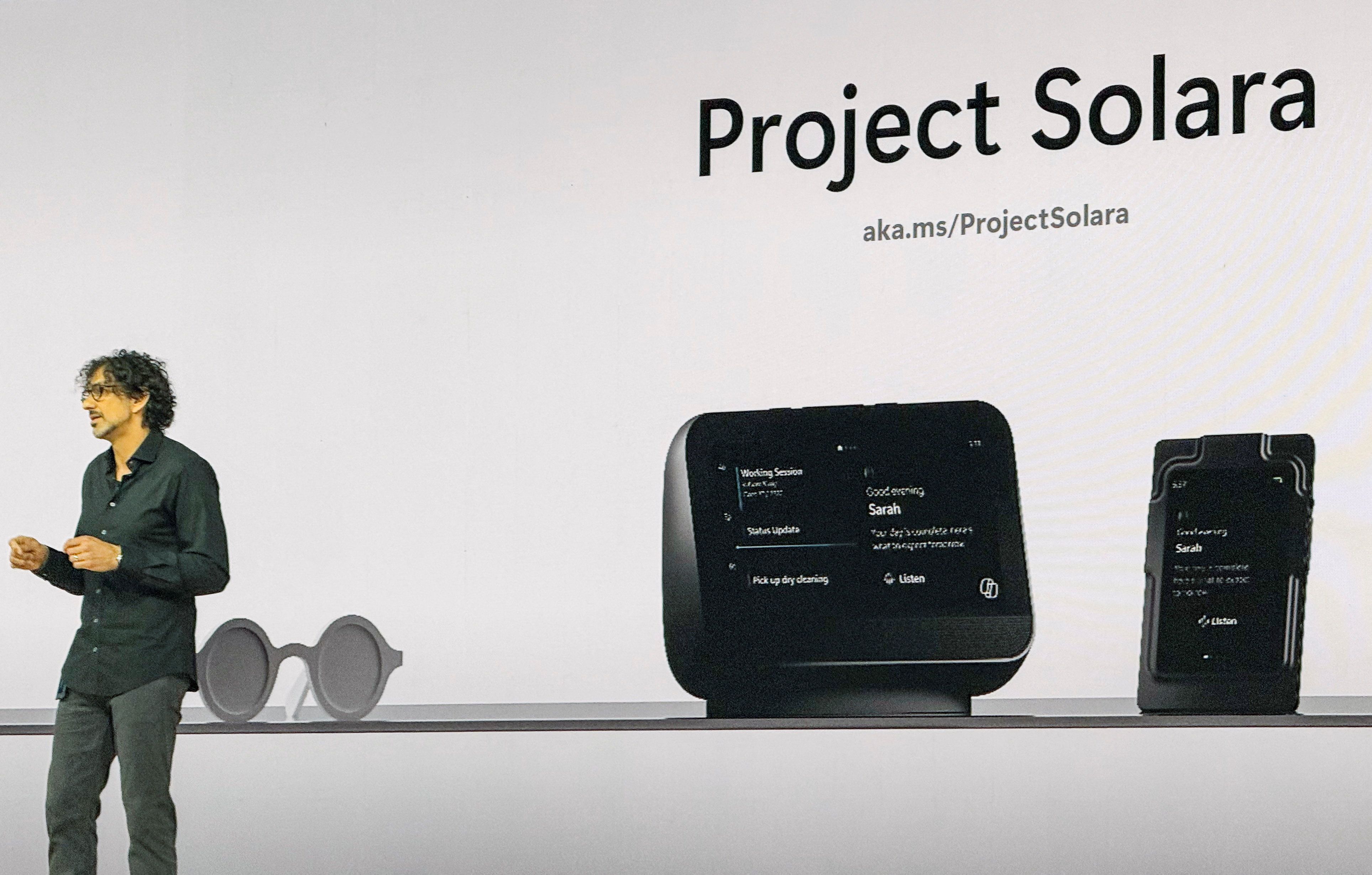
Microsoft's AI division, led by Mustafa Suleyman, is rapidly developing homegrown frontier AI models, custom chips, and software harnesses to compete with OpenAI, Google, Anthropic, and others after years of relying on its OpenAI partnership. The company claims to have reached parity with state-of-the-art models in just six months and plans to release updated AI models at its Build conference. Suleyman argues Microsoft has the resources and market opportunity to succeed, citing that AI adoption remains below 1% globally and that the company can compete on cost by integrating custom models with custom chips.
Microsoft's AI division is executing an aggressive strategy to develop independent AI capabilities after previously benefiting from its exclusive partnership with OpenAI. Executive Vice President and CEO Mustafa Suleyman stated the company has achieved remarkable progress in six months, bringing its homegrown models to competitive parity with industry leaders. Microsoft is building custom accelerator chips and optimizing its GitHub Copilot harness to compete with products like Anthropic's Claude Code. Suleyman rejected suggestions that competitors like Anthropic and Google are too far ahead, pointing to historical precedent where companies like Google took years to prioritize AI development. He emphasized that global AI adoption remains below 1% and that Microsoft can differentiate through cost efficiency by ensuring its models, chips, and software tools work seamlessly together. The company is also reportedly restricting employee access to competing tools like Claude Code to drive internal adoption of Copilot, a decision framed as both cost-driven and necessary for product refinement.
What's missing
The articles do not provide specific details about the performance benchmarks or metrics by which Microsoft's models are claimed to be at parity with competitors, nor do they include independent verification of these claims. Additionally, the financial investment amounts Microsoft has committed to this catch-up effort are not disclosed.
What different sources said
Related
Blacksmith CI Service Charges $1,081 to User on Free Trial Without Credit Card on File
A developer team using Blacksmith, a GitHub Actions alternative, received a $1,081 invoice after exceeding free tier limits without having provided a credit card. The company's free trial continued accruing charges rather than stopping service, contrary to typical SaaS conventions. The incident raises questions about whether such billing practices are legally permissible and whether they align with user expectations.

Apple Testing Camera-Equipped AirPods for AI-Enhanced Siri, But Privacy Concerns May Delay Launch
Apple has designed AirPods with built-in cameras to give Siri visual context for user requests and is in late-stage testing with employees, according to Bloomberg reporting. The cameras would enable features like landmark-based navigation, food identification, and smarter contextual assistance, though they would not record photos or video like smart glasses. However, Wired reports Apple may delay the product due to insufficient AI capabilities and executive concerns about privacy risks without compelling use cases.

AI Companies Adopt Serif Fonts to Signal Trustworthiness and Human Touch
AI companies like Claude, Perplexity, and Runway are increasingly using serif fonts in their branding and user interfaces, a shift designers attribute to efforts to make artificial intelligence appear more human and trustworthy. Serif typefaces, historically associated with print media, books, and authority, contrast with the cleaner sans-serif fonts often perceived as computer-like and cold. The trend reflects broader public skepticism about AI and companies' attempts to build confidence in their products through design choices that evoke human craftsmanship and reliability.