Luma AI Launches Open-Access Robotics Lab to Train AI-Powered Robots
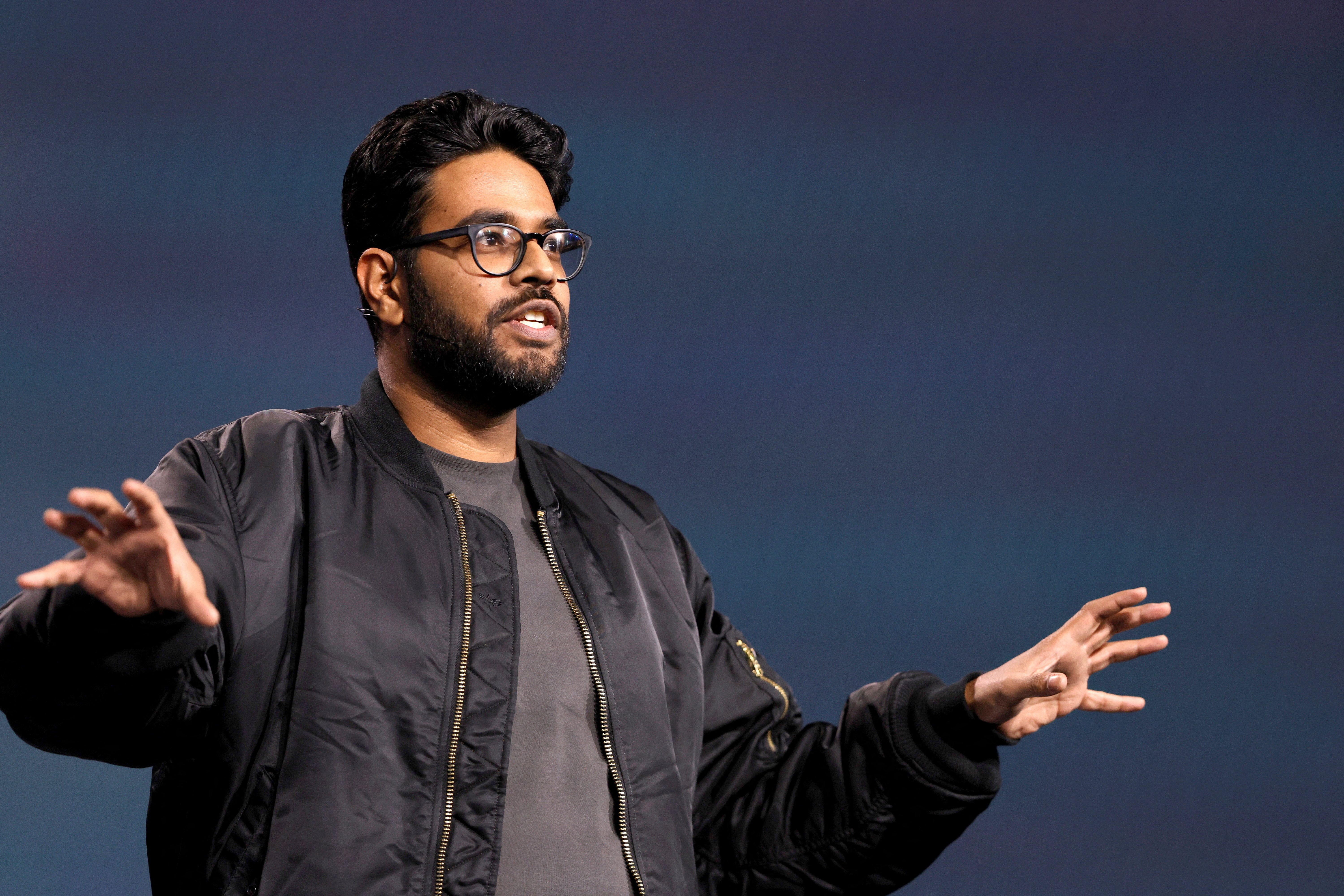
Luma AI, a video generation startup, announced Monday the launch of an open-science robotics lab where external engineers and labs can train robots using the company's software and video training data. The initiative aims to democratize robotics development and prevent control of critical robotics infrastructure by a small number of companies. The move reflects broader industry competition in physical AI, with major players like OpenAI, Google, and Nvidia also pursuing robotics ventures alongside their AI models.
Luma AI, a Palo Alto-based startup backed by Saudi-owned HUMAIN and Andreessen Horowitz, is expanding beyond video generation into robotics by creating an open-access lab where external robotics engineers and labs can build systems on top of Luma's technology. CEO Amit Jain emphasized that critical robotics software and infrastructure should not be controlled by a handful of companies, framing the initiative as an "open science effort." Luma plans to leverage its video training data to help program robots capable of operating in unpredictable real-world environments. The company, which raised $900 million last year at a $4 billion valuation, is not developing hardware itself but rather providing a platform for others to do so. Jain also highlighted geopolitical considerations, arguing that while the US and China should share some technology like chips and AI capabilities, critical systems including robotics, healthcare, and defense require greater separation and discernment.
What different sources said
- SemaforCenter
Luma AI launching robotics lab anyone can use
Related

Blacksmith CI Service Charges $1,081 to User on Free Trial Without Credit Card on File
A developer team using Blacksmith, a GitHub Actions alternative, received a $1,081 invoice after exceeding free tier limits without having provided a credit card. The company's free trial continued accruing charges rather than stopping service, contrary to typical SaaS conventions. The incident raises questions about whether such billing practices are legally permissible and whether they align with user expectations.

Apple Testing Camera-Equipped AirPods for AI-Enhanced Siri, But Privacy Concerns May Delay Launch
Apple has designed AirPods with built-in cameras to give Siri visual context for user requests and is in late-stage testing with employees, according to Bloomberg reporting. The cameras would enable features like landmark-based navigation, food identification, and smarter contextual assistance, though they would not record photos or video like smart glasses. However, Wired reports Apple may delay the product due to insufficient AI capabilities and executive concerns about privacy risks without compelling use cases.

AI Companies Adopt Serif Fonts to Signal Trustworthiness and Human Touch
AI companies like Claude, Perplexity, and Runway are increasingly using serif fonts in their branding and user interfaces, a shift designers attribute to efforts to make artificial intelligence appear more human and trustworthy. Serif typefaces, historically associated with print media, books, and authority, contrast with the cleaner sans-serif fonts often perceived as computer-like and cold. The trend reflects broader public skepticism about AI and companies' attempts to build confidence in their products through design choices that evoke human craftsmanship and reliability.