Los Angeles Hotel Industry Reports Largest Job Losses in a Decade Amid Wage Mandate Implementation

Los Angeles County's hotel sector lost 1.7% of its workforce in December 2025 compared to the prior year, marking the steepest decline outside the pandemic era, according to an analysis of federal labor data. The contraction coincides with implementation of aggressive minimum wage mandates, including a hotel-specific wage requirement that reached $22.50 per hour in the city. The timing is significant as Los Angeles prepares to host the 2028 Olympics and other major international events.
According to an analysis by the Employment Policies Institute of U.S. Bureau of Labor Statistics data, Los Angeles County's hotel and motel sector experienced a 1.7% year-over-year workforce decline in December 2025, the largest drop in a decade excluding pandemic-related losses. This contraction follows implementation of the Citywide Hotel Worker Minimum Wage Ordinance, which raised the hotel-specific minimum wage to $22.50 per hour, while the countywide minimum wage reached $17.81 and California's statewide minimum stands at $16.50. The original mandate included a phased increase toward $30 per hour by 2028, but faced significant opposition from hotel operators and airlines. In May 2025, the Los Angeles City Council voted to delay the $30-an-hour target by two years to 2030, following a compromise that prevented a ballot initiative to repeal the city's gross receipts tax, which generates over $800 million annually. Industry representatives argue the wage mandates have made the sector uncompetitive ahead of major events including the 2028 Olympics.
What's missing
The article does not provide independent verification of the employment figures from sources outside the Employment Policies Institute, nor does it include response or analysis from labor unions, city officials, or economists who support the wage mandates. Additionally, the article does not contextualize whether the 1.7% decline is attributable solely to wage mandates or reflects broader economic factors affecting the hospitality industry.
What different sources said
- Fox NewsRight
LA Hotels hit by largest job losses in a decade as 'Olympic Wage' mandates bite, data shows
Related
Higher Oil Prices Boost Russia's Government Revenue but Fail to Accelerate Economic Growth
Rising oil prices are increasing Russia's government revenue and current-account surplus despite Western sanctions, with every $10 increase in oil prices adding roughly $21 billion in budget revenue. However, severe labor shortages from military losses and emigration, combined with weak productivity, are preventing the economy from expanding beyond 0.9% growth in 2026. The oil windfall highlights structural constraints in Russia's economy that money alone cannot overcome.

U.S. Markets Stage Rebounds Following Chip Stock Selloff
U.S. markets have rebounded twice following a dramatic Friday selloff in chip stocks, with gains at Monday's open and Tuesday afternoon. The Nasdaq 100 remains down 4.25% for the month despite the recoveries, and volatility has increased sharply. The pattern reflects the market's traditional 'buy the dip' behavior as investors resist giving up recent gains.
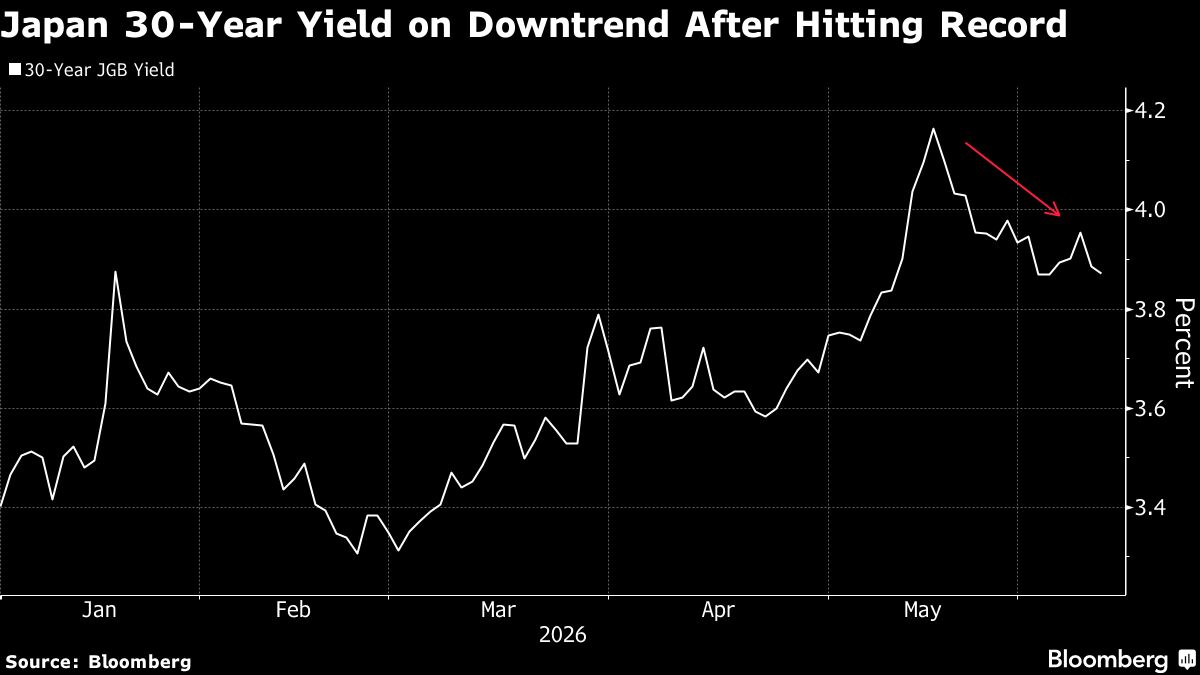
Japan's 30-Year Bond Auction Sees Weakest Demand in Over a Year
Japan's 30-year government bond auction on June 10, 2026 attracted the weakest demand since June 2025, with a bid-to-cover ratio of 2.94 compared to the previous 3.49. The decline reflects investor concerns over inflation and fiscal policy, as well as falling yields reducing appetite for the bonds. Weak bond demand can signal investor anxiety about Japan's economic outlook and fiscal sustainability.