KPMG Executives and Board Members Face Parliamentary Inquiry Over Whistleblower Scandal
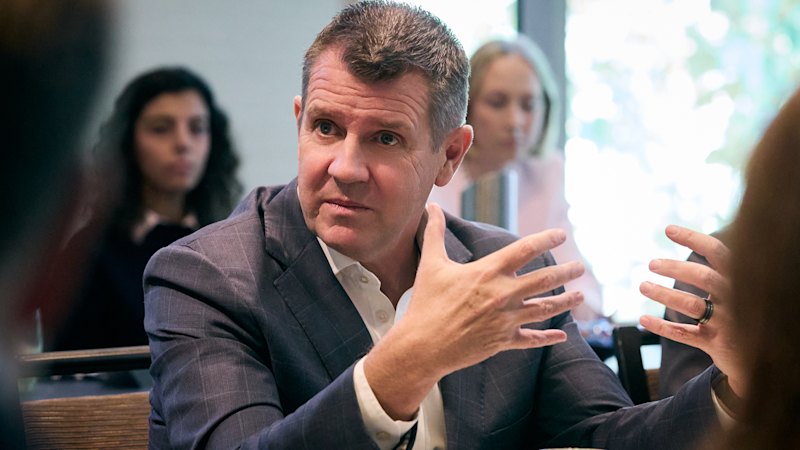
Australia's parliamentary joint committee has summoned over 30 witnesses — including former KPMG CEO Andrew Yates, board members, and clients such as Lendlease — to testify next week about allegations that KPMG executives accessed and shared confidential client information for financial gain. The scandal, first revealed by Labor Senator Deborah O'Neill in March under parliamentary privilege, has already led to the resignations of KPMG's CEO and audit chief, a formal ASIC investigation, and widespread contract reviews across federal and state governments. The inquiry threatens KPMG's access to more than $650 million in active federal government contracts and raises broader questions about oversight of major accounting partnerships in Australia.
The scandal centres on whistleblower allegations that senior KPMG partners, including Eileen Hoggett and Paul Rogers, shared confidential board documents from clients such as Lendlease, Westpac, Dexus, and Macquarie Group to win new audit contracts — without those clients' knowledge. After internal investigations failed to substantiate the claims, a third review by law firm Allens uncovered secondary instances of inappropriate document sharing, prompting KPMG to admit its earlier investigations lacked 'necessary rigour' and to formally recognise the complainant as a whistleblower. CEO Andrew Yates and audit chief Julian McPherson subsequently resigned, while ASIC launched a formal investigation into Hoggett and Rogers. The parliamentary joint committee, chaired by Senator O'Neill, has called witnesses including KPMG chairman Martin Sheppard, independent board members Mike Baird, Patty Akopiantz and Jane Hemstritch, law firm partners from Allens and Ashurst, and Lendlease executives. The federal government holds nearly 300 active contracts with KPMG worth $653 million, and 31 contracts worth $24 million were signed even after the scandal became public in March; multiple state governments and private clients including Lendlease, the Reserve Bank, and potentially Westpac are reviewing or terminating their KPMG relationships. The affair draws comparisons to the earlier PwC scandal, in which a partner leaked confidential government tax information, though the KPMG case involves alleged misuse of private-sector client data rather than government information.
What's missing
The articles do not detail the specific financial benefit KPMG allegedly derived from the misuse of confidential documents, nor the precise legal exposure individual partners face beyond ASIC's investigation.
How coverage differed
The Sydney Morning Herald and ABC Australia focused heavily on the parliamentary process and the breadth of witnesses called, framing the committee as a mechanism for accountability. The Guardian provided a more structured explainer emphasising the scale of potential contract losses and comparisons to the PwC scandal, while also highlighting regulatory gaps and whistleblower protections — reflecting a slightly stronger emphasis on systemic reform.
What different sources said
- Sydney Morning HeraldCenter
Scandalised KPMG faces parliamentary house of horrors
- The AustralianCenter
KPMG scandal triggers crackdown on top accounting firms
- The West AustralianCenter
KPMG scandal sparks urgent review of dozens of WA contracts
KPMG loses contracts and leaders amid scandal over alleged confidential leaks. Here’s what you need to know
- BloombergCenter
Audit Firms of Collapsed Lender MFS Probed by UK Watchdog
- ABC AustraliaCenter
Federal government has contracts worth more than $650m with embattled KPMG
- Yahoo FinanceCenter
FRC probes role of small auditors in collapse of MFS
Related

SpaceX IPO Makes Elon Musk World's First Trillionaire as Shares Surge 19% on Debut
SpaceX shares closed up 19% on their first trading day, pushing Elon Musk's net worth to approximately $1.11 trillion and making him the first individual in history to cross the trillion-dollar threshold. The company raised $75 billion at an IPO price of $135 per share, with shares closing near $161, giving SpaceX a market capitalization of roughly $2.1 trillion despite the company reporting a net loss of $4.94 billion in 2025. The milestone has drawn both investor enthusiasm and sharp criticism over Musk's social media conduct and concerns that the IPO's structure exploits passive index fund mechanics to extract wealth from ordinary retirement savers.
Delhi Power Bills to Rise for Some Consumers as Regulator Approves Higher Electricity Surcharge
Delhi's electricity regulator DERC has approved increased Power Purchase Adjustment Charges (PPAC) for distribution companies, raising bills for consumers in south, east, and central Delhi from July 2026. The hike follows a sharp rise in power procurement costs in April 2026, driven by higher summer demand and elevated fuel prices. The change also marks a structural shift from quarterly to monthly PPAC revisions, making electricity bills more responsive to real-time cost fluctuations.

SEC Proposes Repealing Rule 611 and Rule 610(e) of Regulation NMS
The Securities and Exchange Commission proposed on June 11, 2026, to rescind Rule 611 and Rule 610(e) of Regulation NMS, which govern trade-through protections and locking/crossing quotations in equity markets. Rule 611, in place for roughly two decades, requires trades to be executed at the best available price across exchanges. The proposal could reshape equity market structure and has implications for emerging areas such as tokenized stocks.