Jensen Huang's Public Endorsements Drive Stock Gains for AI Companies
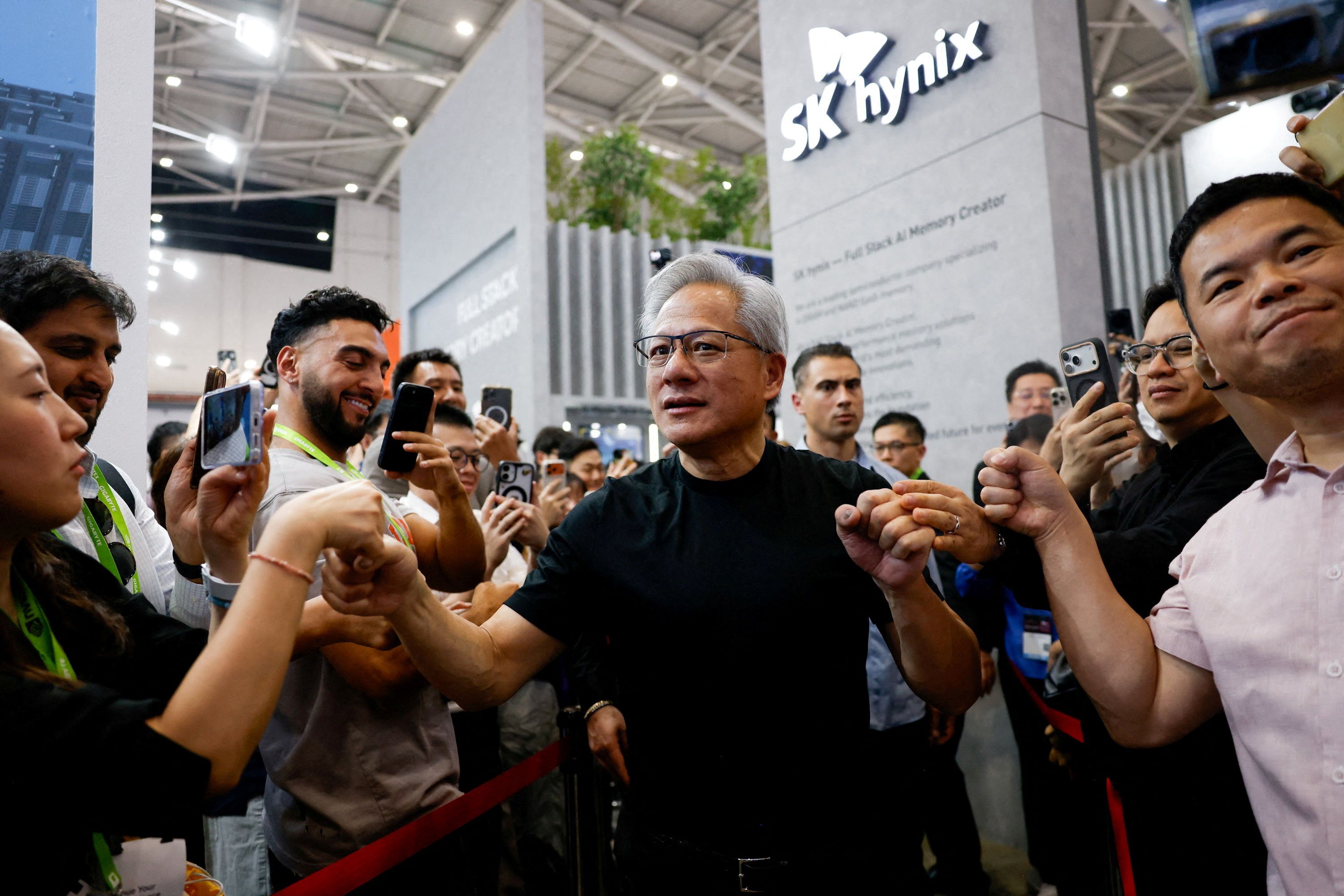
Shares of AI infrastructure and chip companies rose up to 10% this week after Nvidia CEO Jensen Huang praised them at a Taiwan event, according to market analysis. The phenomenon mirrors the "Trump bump," where companies favored by the president have seen significant stock increases following his public endorsements. The trend highlights how CEO influence and executive praise can move markets, particularly in the competitive AI sector.
Nvidia CEO Jensen Huang's public compliments about AI infrastructure provider Nebius, chip design company Cadence, and hyperscaler CoreWeave resulted in stock gains of up to 10% for these companies this week, according to analysis from market-intelligence provider Hudson Labs. Huang praised Nebius as a "world-class AI cloud" and highlighted a design partnership with Cadence during a company event in Taiwan. The market reaction parallels the "Trump bump" phenomenon, where companies publicly endorsed by President Trump have experienced significant stock appreciation—including Micron (up 880% since August), Caterpillar, Ford, General Motors, and Coca-Cola, which rose after Trump praised their business decisions or products. The pattern suggests that high-profile executive endorsements and presidential favor can meaningfully influence investor sentiment and stock valuations.
What's missing
The article does not discuss whether these stock movements represent sustainable value creation or temporary market reactions, nor does it examine the broader implications of CEO endorsements influencing investment decisions independent of fundamental company performance.
What different sources said
- SemaforCenter
The ‘Jensen effect’ is the new ‘Trump bump’ for stocks
Related
Higher Oil Prices Boost Russia's Government Revenue but Fail to Accelerate Economic Growth
Rising oil prices are increasing Russia's government revenue and current-account surplus despite Western sanctions, with every $10 increase in oil prices adding roughly $21 billion in budget revenue. However, severe labor shortages from military losses and emigration, combined with weak productivity, are preventing the economy from expanding beyond 0.9% growth in 2026. The oil windfall highlights structural constraints in Russia's economy that money alone cannot overcome.

U.S. Markets Stage Rebounds Following Chip Stock Selloff
U.S. markets have rebounded twice following a dramatic Friday selloff in chip stocks, with gains at Monday's open and Tuesday afternoon. The Nasdaq 100 remains down 4.25% for the month despite the recoveries, and volatility has increased sharply. The pattern reflects the market's traditional 'buy the dip' behavior as investors resist giving up recent gains.
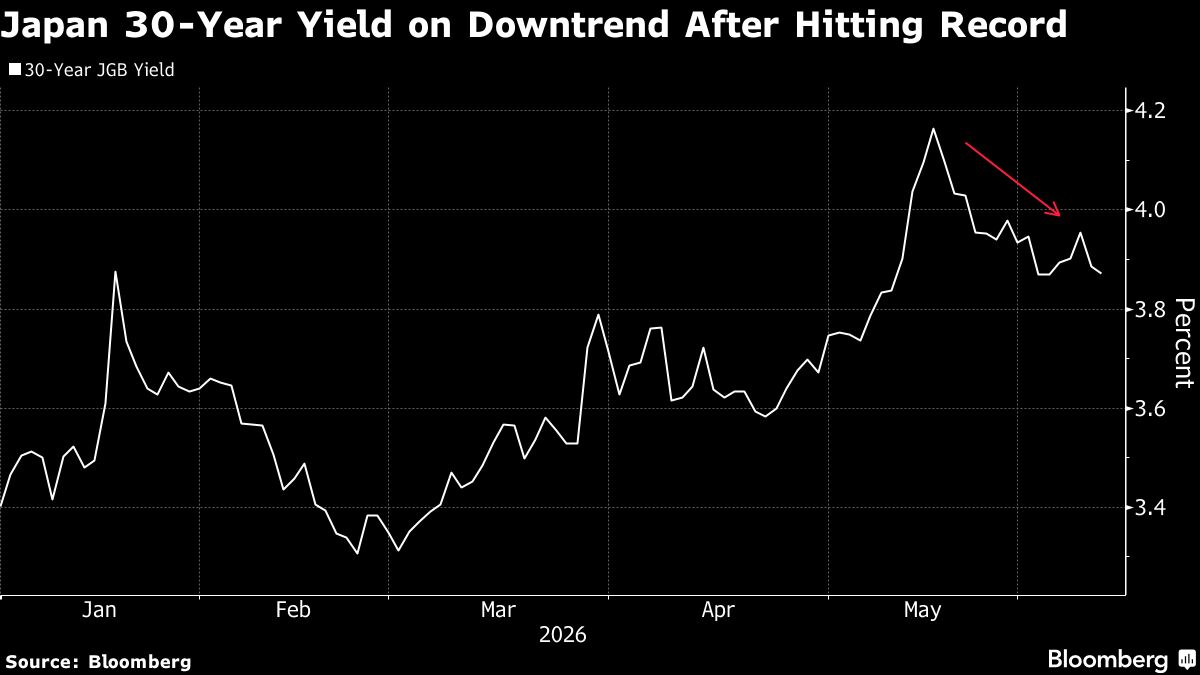
Japan's 30-Year Bond Auction Sees Weakest Demand in Over a Year
Japan's 30-year government bond auction on June 10, 2026 attracted the weakest demand since June 2025, with a bid-to-cover ratio of 2.94 compared to the previous 3.49. The decline reflects investor concerns over inflation and fiscal policy, as well as falling yields reducing appetite for the bonds. Weak bond demand can signal investor anxiety about Japan's economic outlook and fiscal sustainability.