Japan's Quality of Life Continued Declining After COVID Restrictions Ended, Study Shows

A seven-year Japanese study found that health-related quality of life steadily declined among adults and did not recover after COVID-19 restrictions ended. The research tracked participants before, during, and after the pandemic, suggesting cumulative effects from changes in physical activity, mental health, and social interaction. The findings highlight potential long-term health consequences of pandemic-related lifestyle disruptions in working-age populations.
Researchers conducting a nationwide study of Japanese adults documented a consistent decline in health-related quality of life over a seven-year period that persisted even after the public health emergency concluded and restrictions were lifted. The study tracked participants across the pre-pandemic, pandemic, and post-pandemic phases, allowing researchers to observe trends across different periods. According to the findings, the decline may be attributed to cumulative impacts from pandemic-related changes in physical activity levels, mental well-being, and patterns of social interaction among working-age adults throughout Japan. The failure of quality of life metrics to rebound after restrictions ended suggests that the behavioral and psychological shifts experienced during the pandemic may have had lasting effects beyond the acute crisis period.
What's missing
The specific metrics used to measure 'health-related quality of life,' the sample size and demographic composition of the study, the statistical significance of the findings, and whether the decline was uniform across all age groups or socioeconomic categories are not detailed in the summary provided.
What different sources said
- Medical XpressCenter
Japan's quality of life kept sliding after COVID restrictions ended, study reveals
Related
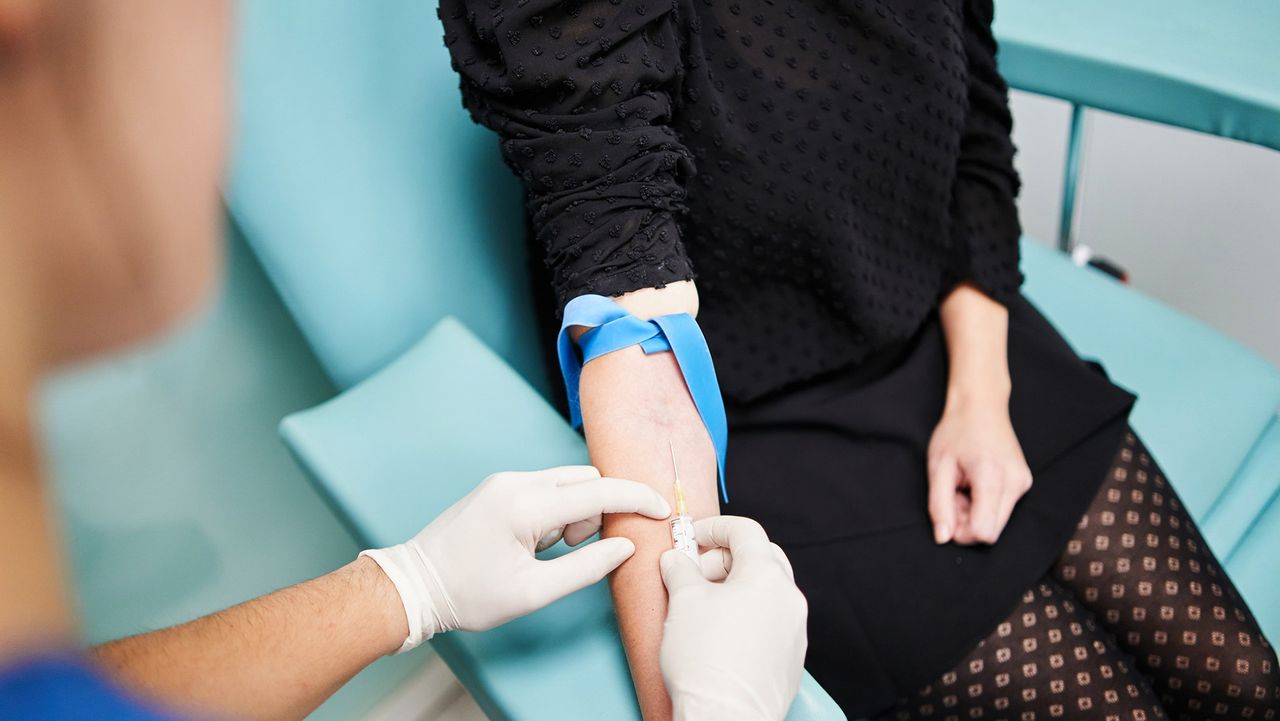
Multi-Cancer Blood Test Galleri Fails Primary Trial Endpoint
A major clinical trial of Galleri, a blood test designed to detect multiple cancers early, failed to meet its primary goal of reducing late-stage cancer diagnoses when results were announced in February. Multi-cancer early detection (MCED) tests aim to improve survival rates by identifying disease at earlier, more treatable stages. The failure raises questions about the effectiveness of this promising diagnostic approach despite initial scientific enthusiasm.
Study Uses CPAP Data to Measure Social Jet Lag in Sleep Apnea Patients
Researchers analyzed CPAP adherence records from nearly 3,000 obstructive sleep apnea patients to measure social jet lag—the circadian misalignment between work and free days. About 16-21% of patients showed moderate to severe social jet lag, with prevalence highest in younger and middle-aged adults and declining after age 65. The findings suggest CPAP devices could routinely screen for circadian misalignment, potentially identifying patients who need additional behavioral or activity-based interventions.

FDA Updates Alli Label to Warn of Rare but Potentially Fatal Kidney Problems
The FDA has approved updated labeling for Alli, an over-the-counter weight loss pill, to warn of rare risks including acute kidney injury, kidney stones, and oxalate nephropathy. The agency now instructs people with kidney disease history to consult a doctor before use and directs all users to stop taking the drug if they experience symptoms like back pain, blood in urine, or leg swelling. This warning is significant because Alli is the only OTC weight loss medication available in the U.S., and approximately 40 million people have used orlistat (Alli's generic form) since its approval in 1999.