Israeli Border Residents Report Continued Attacks Despite Ceasefire Announcements with Hezbollah
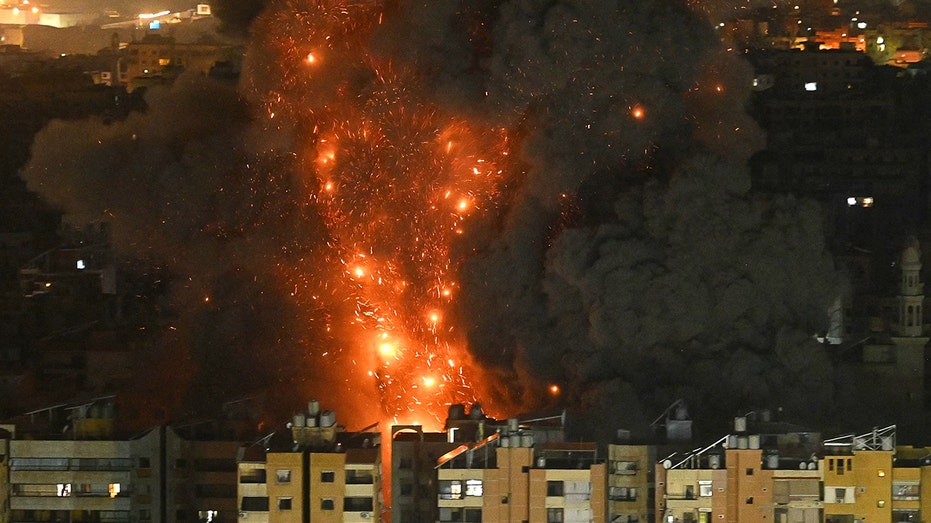
Residents of northern Israeli communities near the Lebanese border report ongoing rocket and drone attacks despite multiple ceasefire agreements between Israel and Hezbollah. The situation has persisted for nearly two years since Hezbollah joined the conflict on October 8, 2023, with residents describing a disconnect between political announcements and ground reality. The continued instability has displaced families, damaged homes, and forced residents to shelter children in bunkers despite official ceasefire declarations.
Residents of Israeli border communities, particularly Kibbutz Manara, describe a precarious situation where multiple ceasefire announcements have failed to bring lasting peace. Despite diplomatic efforts involving the United States and multiple rounds of talks between Israeli and Lebanese officials, residents report continued rocket and drone fire from Hezbollah. While approximately 200 of Manara's 280 residents have returned, many cannot occupy their original homes due to war damage. Community leaders have coined the term "ceasefire war" to describe the current state, characterized by ongoing attacks interspersed with official ceasefire declarations. Schools remain partially closed due to safety concerns, construction projects are stalled, and daily life continues to revolve around air raid sirens and shelter protocols. Residents express frustration that political decisions made in distant capitals do not reflect the dangerous reality they experience daily.
What's missing
The article appears to contain a truncation or error at the end (the final sentence about Qassem's statement is incomplete, dated June 4, 2026, which is a future date). Additionally, specific details about the terms of the ceasefire agreements, the current status of Hezbollah's military capabilities, or casualty figures are not provided. The article does not include perspectives from Lebanese civilians or Hezbollah's stated rationale for continued operations.
What different sources said
- Fox News WorldRight
As Hezbollah rejects truce, families on Israel's northern border describe life under fire
Related

Chevron and Argentine Shale Producers to Supply $3 Billion Natural Gas Liquids Project
Chevron and two other major Argentine shale producers are signing contracts this week to supply a natural gas liquids (NGL) project worth $3 billion. The supply agreements effectively guarantee the project will proceed, according to sources familiar with the matter. This development is significant for Argentina's energy sector and Chevron's operations in one of the world's largest shale reserves.

Sweden Donates Gripen Fighter Jets to Ukraine in Major Air Power Upgrade
Sweden has agreed to donate 16 Saab JAS 39 Gripen C/D fighter jets to Ukraine, with Kyiv purchasing 20 additional advanced Gripen E/F models, as part of a deal that could eventually reach 150 aircraft. The Gripen was designed during the Cold War to operate from austere locations and requires minimal ground crew, making it well-suited to Ukraine's operational environment. The acquisition represents a significant enhancement to Ukraine's air combat capabilities against Russian forces.

Military analysts assess potential challenges and risks of U.S. military intervention in Cuba
Military experts and Pentagon insiders are analyzing the potential difficulties and consequences of a possible U.S. military operation against Cuba under the Trump administration's pressure campaign. Cuba's cohesive communist government structure and loyal military differ significantly from Venezuela's fractured system, making regime change more complicated. The analysis highlights risks including humanitarian crises, migration surges, regional geopolitical shifts, and the absence of viable successor leadership.