International Study Identifies Dozens of New Genetic Risk Factors for Lower-Back Nerve Pain
Researchers at the University of Oulu and international collaborators have identified dozens of new genetic risk factors associated with lumbar spinal stenosis, a common degenerative spine condition. The study, published in Nature Communications, provides insights into the biological mechanisms underlying one of the most frequent causes of mobility problems in older adults. These genetic discoveries could potentially reshape treatment approaches and prevention strategies for this widespread condition.
An international research team led by the University of Oulu has made a significant breakthrough in understanding lumbar spinal stenosis by identifying dozens of previously unknown genetic risk factors linked to the condition. Lumbar spinal stenosis is a degenerative disorder of the lower spine that represents one of the most common causes of reduced mobility in older populations. The findings, published in the peer-reviewed journal Nature Communications, provide new biological insights into how genetic factors contribute to the development and progression of this condition. By identifying these genetic risk factors, researchers have opened new avenues for understanding the underlying mechanisms of the disease. The discovery could potentially lead to improved diagnostic methods, more targeted treatment approaches, and better prevention strategies for patients at genetic risk.
Limitations & open questions
The article does not specify how many genetic risk factors were identified, the sample size of the study, or what specific biological mechanisms were discovered. Additionally, there is no information about the timeline for potential clinical applications of these findings.
What different sources said
- Medical XpressCenter
What drives lower-back nerve pain? Genetic clues could reshape stenosis care
Related
New AI Framework Improves Evidence-Based Analysis for Muon Collider Research
Researchers have developed an AI system called agentic hybrid RAG that combines retrieval and reasoning techniques to help scientists find and verify evidence in muon collider research literature. The framework integrates both keyword-based and semantic search methods with AI reasoning to decompose complex queries and synthesize answers. This work addresses a growing need in high-energy physics for AI-assisted tools that can reliably navigate rapidly expanding scientific literature.

NASA Announces Four-Astronaut Crew for Artemis III Moon Mission
NASA named three U.S. astronauts and one Italian astronaut from the European Space Agency as the crew for Artemis III, scheduled to launch in 2027. The mission will conduct a docking demonstration in Earth's orbit and test moon landers from SpaceX and Blue Origin. The crew includes a veteran test pilot, a record-holder for longest U.S. spaceflight, and a first-time space flyer.
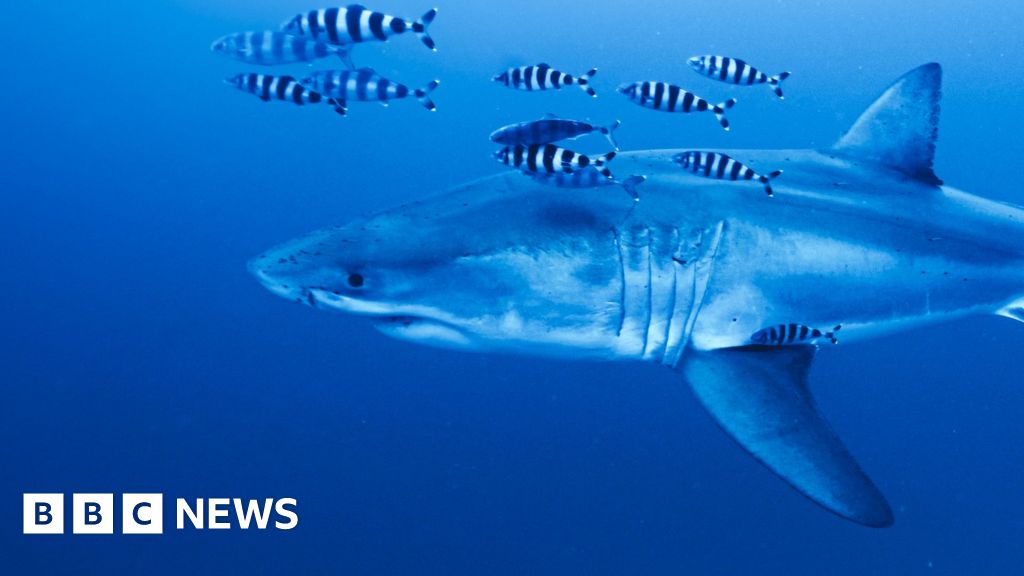
Rare Great White shark filmed in Mediterranean Sea between Tunisia and Sicily
A volunteer diver captured rare footage of a Great White shark in the Mediterranean Sea in May while working to document ghost fishing nets. The sighting is significant because Great Whites are thought to be near extinction in the Mediterranean due to overfishing. Conservationists hope the discovery will prompt governments to establish marine protected areas in the region.