ING Launches Subscription Banking Model Across Europe to Boost Fee Income
ING has launched a tiered subscription-based banking model in the Netherlands, with plans to roll it out across all its markets by mid-2027. The move aims to diversify revenue away from interest income and respond to growing competition from digital-only neobanks like Revolut. The shift signals a broader industry trend of traditional banks seeking stable, recurring fee income as post-COVID interest rate tailwinds fade.
ING introduced a subscription banking model for Dutch clients on Wednesday, replacing pay-per-product banking with tiered monthly packages that bundle banking, insurance, and services such as streaming. The bank's Global Head for Private Individuals, Sali Salieski, told Reuters the model is expected to make a 'meaningful' contribution to fee income and will be extended to all ING markets, including Spain, Germany, and Italy, by mid-2027. The model has already been piloted in Belgium, Romania, and Poland. The strategy is partly a response to rapidly expanding neobanks such as Revolut, which is reportedly eyeing an IPO that could value it at up to $200 billion. ING has been prioritizing fee and commission income growth to offset easing earnings from high interest rates, with that income reaching €1.24 billion in Q1 2025, representing 21% of total revenue. Salieski noted the subscription approach would also help lift income in markets where ING has historically charged low or no fees.
What's missing
The article does not specify the pricing tiers or exact services included in each subscription level, nor does it address how existing customers will be transitioned to the new model or whether opt-out options will be available.
What different sources said
- Channel NewsAsiaCenter
ING bets on subscription model to lift fees amid growing digital-banking competition
- Yahoo FinanceCenter
ING bets on subscription model to lift fees amid growing digital-banking competition
Related
SpaceX IPO Makes Elon Musk World's First Trillionaire as Shares Surge 19% on Debut
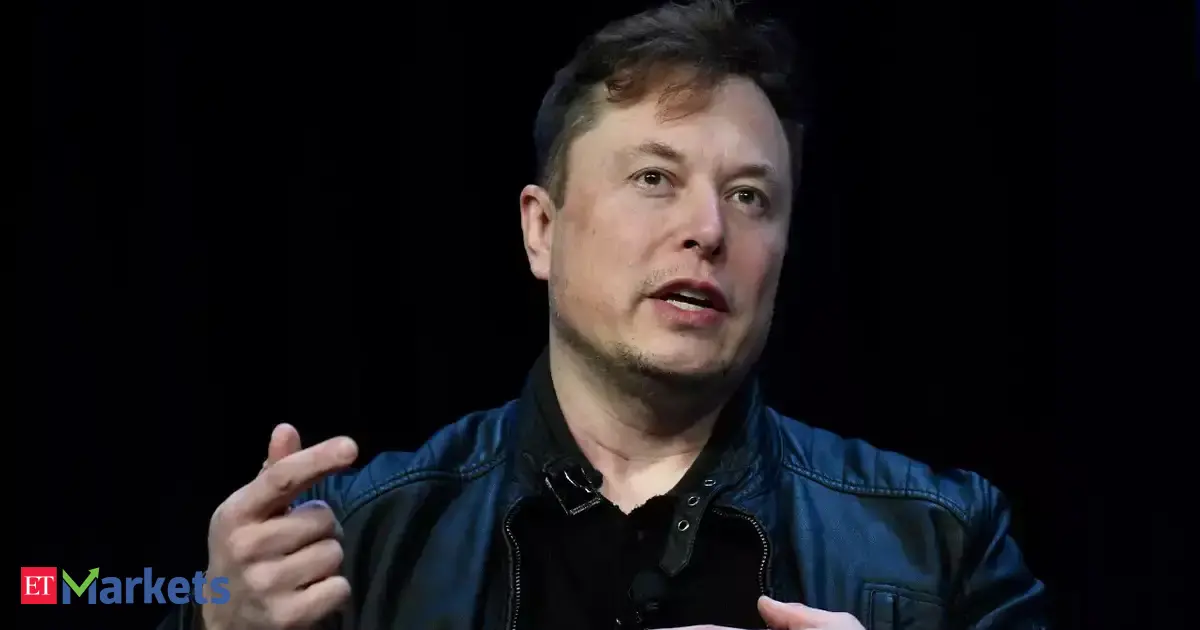
SpaceX shares closed up 19% on their first trading day, pushing Elon Musk's net worth to approximately $1.11 trillion and making him the first individual in history to cross the trillion-dollar threshold. The company raised $75 billion at an IPO price of $135 per share, with shares closing near $161, giving SpaceX a market capitalization of roughly $2.1 trillion despite the company reporting a net loss of $4.94 billion in 2025. The milestone has drawn both investor enthusiasm and sharp criticism over Musk's social media conduct and concerns that the IPO's structure exploits passive index fund mechanics to extract wealth from ordinary retirement savers.

Delhi Power Bills to Rise for Some Consumers as Regulator Approves Higher Electricity Surcharge
Delhi's electricity regulator DERC has approved increased Power Purchase Adjustment Charges (PPAC) for distribution companies, raising bills for consumers in south, east, and central Delhi from July 2026. The hike follows a sharp rise in power procurement costs in April 2026, driven by higher summer demand and elevated fuel prices. The change also marks a structural shift from quarterly to monthly PPAC revisions, making electricity bills more responsive to real-time cost fluctuations.

SEC Proposes Repealing Rule 611 and Rule 610(e) of Regulation NMS
The Securities and Exchange Commission proposed on June 11, 2026, to rescind Rule 611 and Rule 610(e) of Regulation NMS, which govern trade-through protections and locking/crossing quotations in equity markets. Rule 611, in place for roughly two decades, requires trades to be executed at the best available price across exchanges. The proposal could reshape equity market structure and has implications for emerging areas such as tokenized stocks.