Indonesia's US$8 Million Visa Extortion Scandal Threatens Foreign Investment and Talent Recruitment
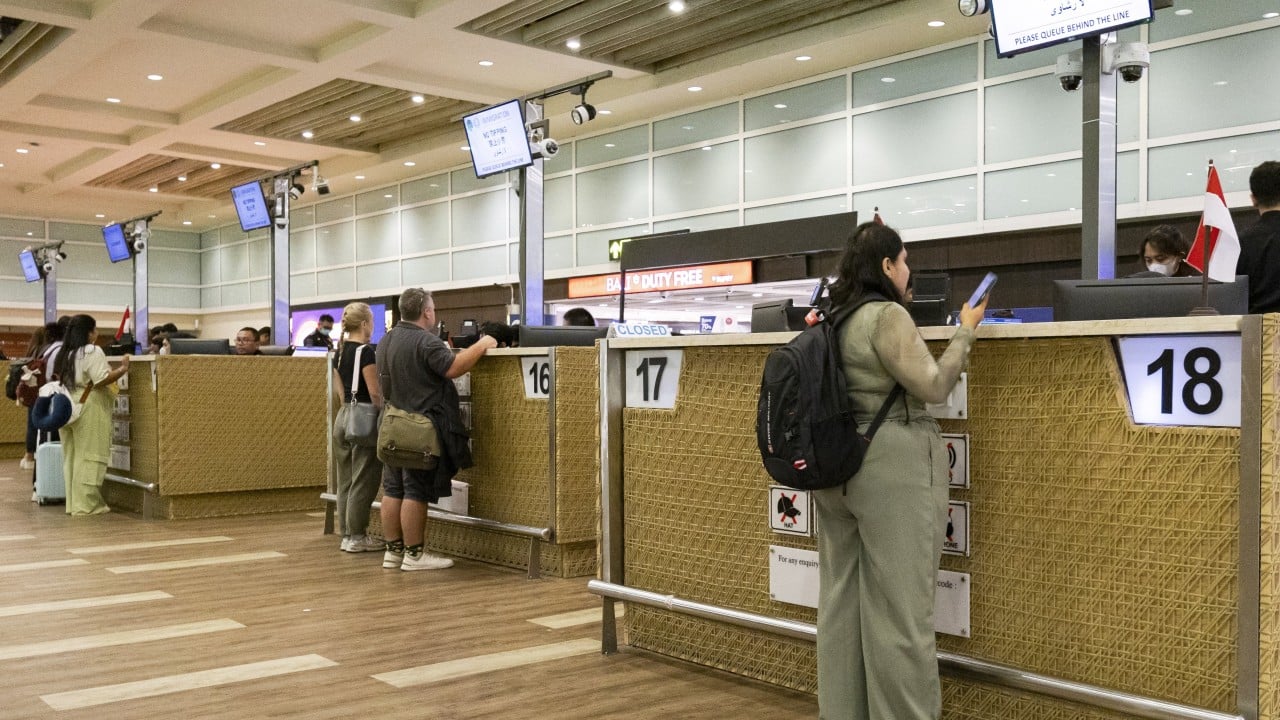
Indonesia's Corruption Eradication Commission (KPK) arrested eight senior immigration officials, including former deputy minister Silmy Karim, over an alleged extortion scheme targeting foreigners seeking residency and work permits. The suspects are accused of collecting approximately US$8 million in illicit fees between 2022 and 2026, with Karim allegedly receiving a regular allocation of 100 million rupiah per week. The scandal threatens Indonesia's efforts to attract foreign investment and high-skilled workers, compounding existing concerns about investor confidence under President Prabowo.
Indonesian anti-corruption authorities arrested eight high-ranking immigration officials and nine visa agents last week in connection with a systemic extortion scheme targeting foreign nationals applying for residency and work permits. The suspects, including former deputy immigration minister Silmy Karim, allegedly collected 145.5 billion rupiah (approximately US$8 million) in illicit fees from 2022 to 2026. Foreigners were reportedly charged up to 1.5 million rupiah to expedite permit processing, with applications at risk of being stalled or rejected if they refused to pay. KPK Chairman Setyo Budiyanto described the scheme as systematic, noting that proceeds were used to purchase personal assets and fund business ventures such as a towing company. Observers warn the scandal could significantly damage Indonesia's reputation as a destination for foreign capital and talent, arriving at a sensitive moment when investor confidence in Southeast Asia's largest economy is already under pressure. The Financial Times has also reported on foreign investors pulling back from Indonesia amid broader backlash against the Prabowo administration, suggesting the corruption case is one of several compounding headwinds.
What's missing
It is unclear how many foreign nationals were directly affected by the extortion scheme or whether any have sought legal recourse. The current status of visa and residency applications disrupted by the arrested officials has not been addressed in the available reporting.
How coverage differed
The South China Morning Post provided detailed reporting on the mechanics of the corruption scheme and its implications for Indonesia's talent and investment ambitions. The Financial Times framed the story within a broader narrative of foreign investor retreat from Indonesia and political backlash against President Prabowo, though its full article was behind a paywall, limiting direct comparison.
What different sources said
- Financial TimesCenter
Foreign investors sell Indonesia as Prabowo faces backlash
- South China Morning PostCenter
Indonesia’s US$8 million visa scandal threatens drive for talent, investors
Related

SpaceX IPO Makes Elon Musk World's First Trillionaire as Shares Surge 19% on Debut
SpaceX shares closed up 19% on their first trading day, pushing Elon Musk's net worth to approximately $1.11 trillion and making him the first individual in history to cross the trillion-dollar threshold. The company raised $75 billion at an IPO price of $135 per share, with shares closing near $161, giving SpaceX a market capitalization of roughly $2.1 trillion despite the company reporting a net loss of $4.94 billion in 2025. The milestone has drawn both investor enthusiasm and sharp criticism over Musk's social media conduct and concerns that the IPO's structure exploits passive index fund mechanics to extract wealth from ordinary retirement savers.

Delhi Power Bills to Rise for Some Consumers as Regulator Approves Higher Electricity Surcharge
Delhi's electricity regulator DERC has approved increased Power Purchase Adjustment Charges (PPAC) for distribution companies, raising bills for consumers in south, east, and central Delhi from July 2026. The hike follows a sharp rise in power procurement costs in April 2026, driven by higher summer demand and elevated fuel prices. The change also marks a structural shift from quarterly to monthly PPAC revisions, making electricity bills more responsive to real-time cost fluctuations.

SEC Proposes Repealing Rule 611 and Rule 610(e) of Regulation NMS
The Securities and Exchange Commission proposed on June 11, 2026, to rescind Rule 611 and Rule 610(e) of Regulation NMS, which govern trade-through protections and locking/crossing quotations in equity markets. Rule 611, in place for roughly two decades, requires trades to be executed at the best available price across exchanges. The proposal could reshape equity market structure and has implications for emerging areas such as tokenized stocks.