Indonesia May Raise Interest Rates Again to Support Rupiah and Stabilize Markets
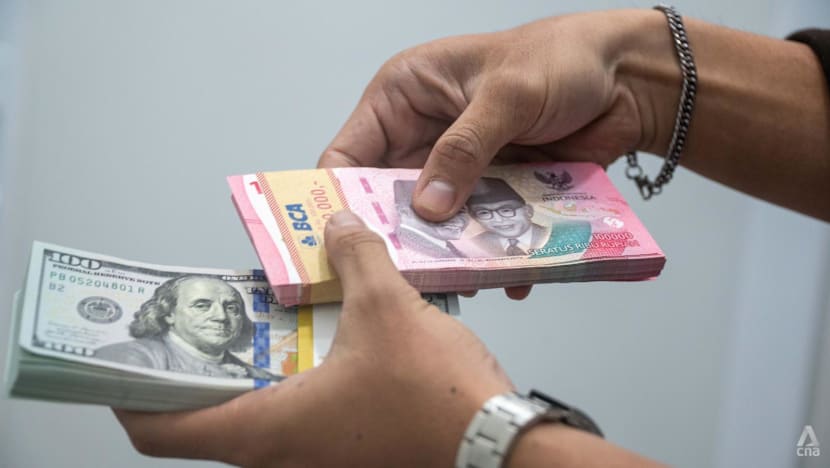
Indonesia's central bank raised its benchmark interest rate by 25 basis points to 5.50% in an unexpected off-cycle move on June 10, 2026, after the rupiah hit a record low of 18,190 per US dollar. The decision followed months of capital outflows, sovereign credit outlook downgrades by Moody's and Fitch, and investor unease over policy uncertainty under President Prabowo Subianto. The rupiah recovered modestly after the hike, but analysts warn the rebound may be short-lived given persistent structural pressures.
Bank Indonesia raised its key interest rate by 25 basis points to 5.50% in a rare off-cycle decision on June 10, 2026, marking its second rate increase in weeks after a 50-basis-point hike in May. The move came as the rupiah struck an all-time low of 18,190 per US dollar on June 9, driven by sustained foreign capital outflows, falling foreign exchange reserves — down roughly US$11 billion since December 2025 to a multi-year low — and investor concern over inconsistent government policies. BI Governor Perry Warjiyo subsequently briefed European, US, and Asian investors in two separate calls to explain the rationale for the off-cycle action. The rupiah recovered to around 18,000 per dollar by Wednesday morning, and similarly strengthened against the Singapore dollar from a record low of 14,135 to approximately 13,950 per Singdollar. However, analysts from Maybank, MUFG, and Nomura cautioned that higher rates alone are unlikely to resolve the underlying pressures, which include rising oil import costs, high US interest rates attracting global capital, geopolitical tensions in the Middle East, and lingering concerns about Indonesia's fiscal position and policy direction. Some analysts project further rate hikes could push Indonesia's benchmark rate toward 6% by year-end, though this risks dampening economic growth.
What's missing
The articles do not specify the precise scale of foreign portfolio outflows in dollar terms since the start of 2026, nor do they detail what specific policy commitments, if any, Bank Indonesia or the Prabowo government made to investors during the briefing calls to restore confidence beyond the rate hike itself.
How coverage differed
Coverage was broadly aligned across outlets, though Bloomberg and Reuters emphasized the dramatic, crisis-driven nature of the move — framing it as a 'shock' and 'bitter pill' — while Channel NewsAsia and The Straits Times focused more on the central bank's investor communication efforts and the cautious, conditional nature of the rupiah's recovery.
What different sources said
- BloombergCenter
Indonesia May Hike Interest Rate Again, Analysts Say
- ReutersCenter
Indonesia swallows 'bitter pill' to stem market rout as policy tide turns
- Channel NewsAsiaCenter
Rupiah slide and ‘Sell Indonesia’ stocks: Jakarta’s counter moves useful but experts flag deeper fiscal concerns
- The HinduCenter
India's economic growth rate to weaken at 6.6% in FY27 on slower investments, consumption: BMI
- Financial TimesCenter
Indonesia unexpectedly raises interest rate to support rupiah
- The Straits TimesCenter
Rupiah recovers against Sing$, but outlook uncertain
Related

SpaceX IPO Makes Elon Musk World's First Trillionaire as Shares Surge 19% on Debut
SpaceX shares closed up 19% on their first trading day, pushing Elon Musk's net worth to approximately $1.11 trillion and making him the first individual in history to cross the trillion-dollar threshold. The company raised $75 billion at an IPO price of $135 per share, with shares closing near $161, giving SpaceX a market capitalization of roughly $2.1 trillion despite the company reporting a net loss of $4.94 billion in 2025. The milestone has drawn both investor enthusiasm and sharp criticism over Musk's social media conduct and concerns that the IPO's structure exploits passive index fund mechanics to extract wealth from ordinary retirement savers.

Delhi Power Bills to Rise for Some Consumers as Regulator Approves Higher Electricity Surcharge
Delhi's electricity regulator DERC has approved increased Power Purchase Adjustment Charges (PPAC) for distribution companies, raising bills for consumers in south, east, and central Delhi from July 2026. The hike follows a sharp rise in power procurement costs in April 2026, driven by higher summer demand and elevated fuel prices. The change also marks a structural shift from quarterly to monthly PPAC revisions, making electricity bills more responsive to real-time cost fluctuations.

SEC Proposes Repealing Rule 611 and Rule 610(e) of Regulation NMS
The Securities and Exchange Commission proposed on June 11, 2026, to rescind Rule 611 and Rule 610(e) of Regulation NMS, which govern trade-through protections and locking/crossing quotations in equity markets. Rule 611, in place for roughly two decades, requires trades to be executed at the best available price across exchanges. The proposal could reshape equity market structure and has implications for emerging areas such as tokenized stocks.