India Restricts Industrial Bulk Fuel Purchases at Retail Petrol Pumps
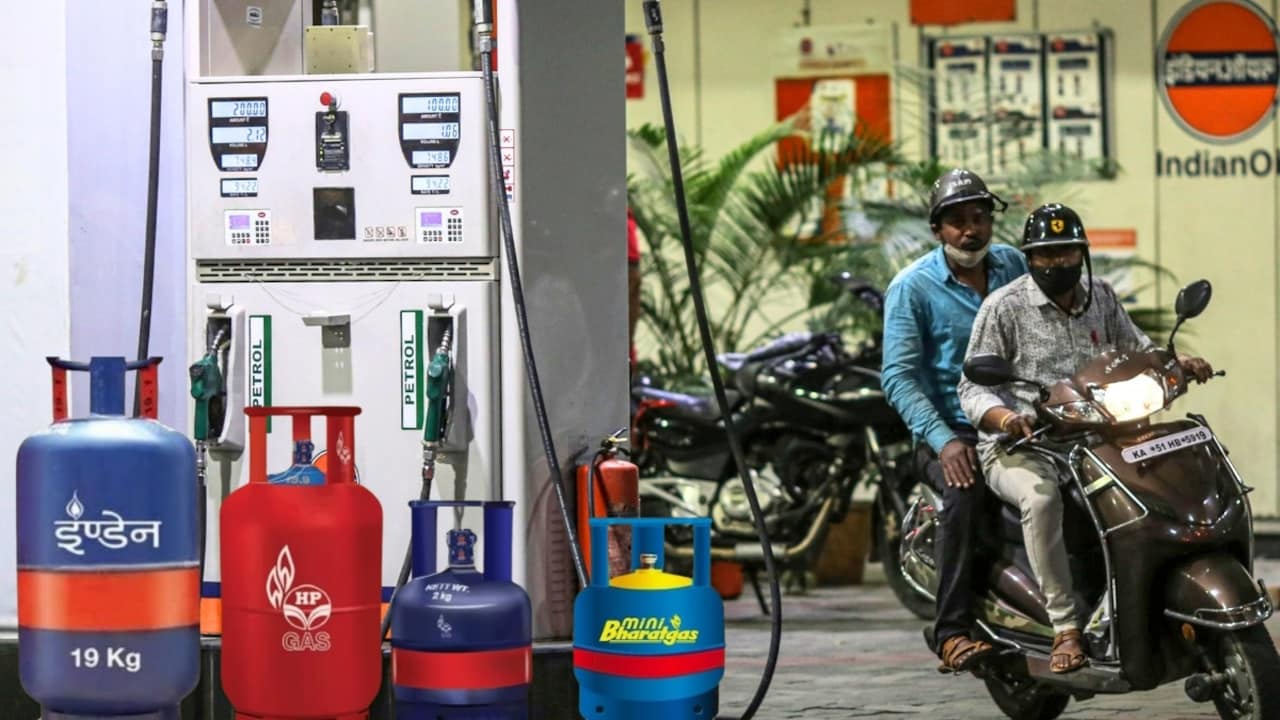
India's Ministry of Petroleum and Natural Gas issued an order on June 11, 2026, barring industrial, commercial, and institutional consumers from buying petrol and diesel at retail fuel stations, directing them instead to bulk sale channels. The move follows a sharp price gap — retail diesel in Delhi costs Rs 95.20 per litre versus Rs 134.50 for bulk buyers — that emerged after state-owned oil companies held retail prices down to shield ordinary consumers from cost increases triggered by the West Asia crisis beginning in late February. The restrictions, enforceable for up to 90 days at a time, aim to prevent localised shortages and protect fuel access for ordinary consumers.
The Indian government's Motor Spirit and High Speed Diesel (Temporary Regulation of Supply through Retail Outlets) Order, 2026, prohibits industrial, commercial, and institutional users from procuring petrol and diesel at retail pumps, requiring them to use dedicated bulk supply channels or their own consumer pumps. The order also caps retail diesel purchases at 200 litres per customer or vehicle per day, restricted to vehicle fuel tanks or PESO-approved containers, and explicitly bans resale. Authorities cited the 'current prevailing geopolitical situation' disrupting international petroleum supply chains as the backdrop, while noting that state-owned oil marketing companies are currently incurring losses of approximately Rs 500 crore per day on combined retail sales of petrol, diesel, and LPG. The Hindu reported that retail outlets in 80 districts saw more than 30% diesel sales growth year-on-year in May, and that private oil marketing company diesel sales fell roughly 58% over the same period as their pump prices more closely tracked market rates. The government also flagged 'blatant instances' of large diesel purchases in jerry cans for resale, describing the order as enabling strict action against hoarding and black marketing. Public-sector oil marketing companies and authorised retailers are empowered to enforce the restrictions, while state governments and union territories have been directed to act against hoarding, unauthorised procurement, and diversion. Violations are punishable under the Essential Commodities Act, and the government retains authority to grant exemptions and extend the order through fresh notification.
What's missing
The sources do not specify which geographic regions or states have been most affected by abnormal demand growth, nor do they detail what enforcement mechanisms or penalties have been applied in practice prior to this formal order. The longer-term policy trajectory — whether retail prices will eventually be realigned with bulk/market rates — is not addressed.
What different sources said
- Times of IndiaCenter
Govt bars industries from buying petrol, diesel at pumps; mandates bulk purchase route
- The Economic TimesCenter
Govt bars bulk industrial petrol, diesel purchases through petrol pumps
- NDTVCenter
Centre Bars Bulk Industrial Petrol, Diesel Purchases Through Petrol Pumps
- Moneycontrol.comCenter
Government bars bulk users from buying petrol, diesel at retail pumps for up to 90 days
- The HinduCenter
Government bars bulk industrial petrol, diesel purchases through petrol pumps
Related

SpaceX IPO Makes Elon Musk World's First Trillionaire as Shares Surge 19% on Debut
SpaceX shares closed up 19% on their first trading day, pushing Elon Musk's net worth to approximately $1.11 trillion and making him the first individual in history to cross the trillion-dollar threshold. The company raised $75 billion at an IPO price of $135 per share, with shares closing near $161, giving SpaceX a market capitalization of roughly $2.1 trillion despite the company reporting a net loss of $4.94 billion in 2025. The milestone has drawn both investor enthusiasm and sharp criticism over Musk's social media conduct and concerns that the IPO's structure exploits passive index fund mechanics to extract wealth from ordinary retirement savers.
Delhi Power Bills to Rise for Some Consumers as Regulator Approves Higher Electricity Surcharge
Delhi's electricity regulator DERC has approved increased Power Purchase Adjustment Charges (PPAC) for distribution companies, raising bills for consumers in south, east, and central Delhi from July 2026. The hike follows a sharp rise in power procurement costs in April 2026, driven by higher summer demand and elevated fuel prices. The change also marks a structural shift from quarterly to monthly PPAC revisions, making electricity bills more responsive to real-time cost fluctuations.

SEC Proposes Repealing Rule 611 and Rule 610(e) of Regulation NMS
The Securities and Exchange Commission proposed on June 11, 2026, to rescind Rule 611 and Rule 610(e) of Regulation NMS, which govern trade-through protections and locking/crossing quotations in equity markets. Rule 611, in place for roughly two decades, requires trades to be executed at the best available price across exchanges. The proposal could reshape equity market structure and has implications for emerging areas such as tokenized stocks.