IDF Says Hezbollah Using Drones to Prevent Ground Advances, Claims Low Morale Among Militants
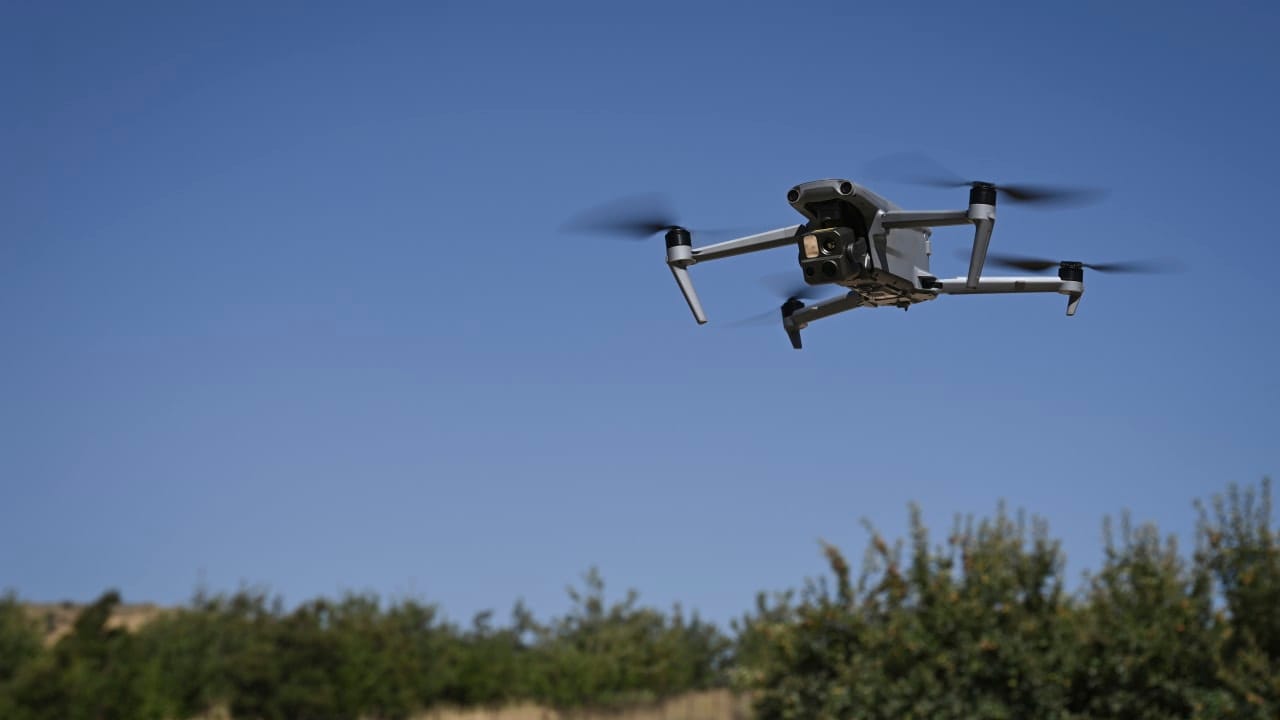
A senior Israeli Air Force officer stated that Hezbollah is relying on drone strikes to prevent deeper IDF incursions into southern Lebanon, while claiming Hezbollah operatives have low morale and are retreating rather than engaging directly. The officer highlighted advantages the IDF has in the cleared civilian areas of southern Lebanon compared to Gaza, and described efforts to target drone operators across the entire supply chain. The assessment reflects Israel's military perspective on the ongoing conflict and the tactical role of unmanned systems in the fighting.
According to a senior Israeli Air Force officer quoted by The Jerusalem Post, Hezbollah is attempting to use drone strikes from ranges of 6-8 kilometers to prevent Israeli ground forces from advancing deeper into Lebanese territory. The officer claimed that Hezbollah operatives in southern Lebanon have low morale, typically retreat before direct confrontation with IDF forces, and rarely engage in face-to-face combat. He attributed this to perceived military superiority and stated it is creating a "crisis of trust" within Hezbollah. The officer emphasized that the evacuation of civilians from southern Lebanon provides a significant tactical advantage compared to operations in Gaza, allowing for faster intelligence gathering and troop movements with minimal collateral damage concerns. He reported that Israeli forces are killing between 30 to 70 Hezbollah operatives daily and are conducting strikes across the entire drone value chain, including command structures, supply lines, and operators. The IDF is deploying specialized drone detection teams and sensor networks to identify and warn forces about incoming unmanned systems.
What's missing
The article presents only the Israeli military perspective without independent verification of casualty figures, Hezbollah's actual operational status, or Hezbollah's own assessment of the conflict. No information is provided about civilian displacement numbers, the humanitarian impact of evacuations, or independent assessments of the military situation.
What different sources said
- The Jerusalem PostRight
Hezbollah relying on drones to prevent further IDF incursions into Lebanon, senior officer says
Related

Chevron and Argentine Shale Producers to Supply $3 Billion Natural Gas Liquids Project
Chevron and two other major Argentine shale producers are signing contracts this week to supply a natural gas liquids (NGL) project worth $3 billion. The supply agreements effectively guarantee the project will proceed, according to sources familiar with the matter. This development is significant for Argentina's energy sector and Chevron's operations in one of the world's largest shale reserves.

Sweden Donates Gripen Fighter Jets to Ukraine in Major Air Power Upgrade
Sweden has agreed to donate 16 Saab JAS 39 Gripen C/D fighter jets to Ukraine, with Kyiv purchasing 20 additional advanced Gripen E/F models, as part of a deal that could eventually reach 150 aircraft. The Gripen was designed during the Cold War to operate from austere locations and requires minimal ground crew, making it well-suited to Ukraine's operational environment. The acquisition represents a significant enhancement to Ukraine's air combat capabilities against Russian forces.

Military analysts assess potential challenges and risks of U.S. military intervention in Cuba
Military experts and Pentagon insiders are analyzing the potential difficulties and consequences of a possible U.S. military operation against Cuba under the Trump administration's pressure campaign. Cuba's cohesive communist government structure and loyal military differ significantly from Venezuela's fractured system, making regime change more complicated. The analysis highlights risks including humanitarian crises, migration surges, regional geopolitical shifts, and the absence of viable successor leadership.