Hong Kong Hospital Authority Reports Trainee Doctor to Police for Unauthorized Patient Record Access
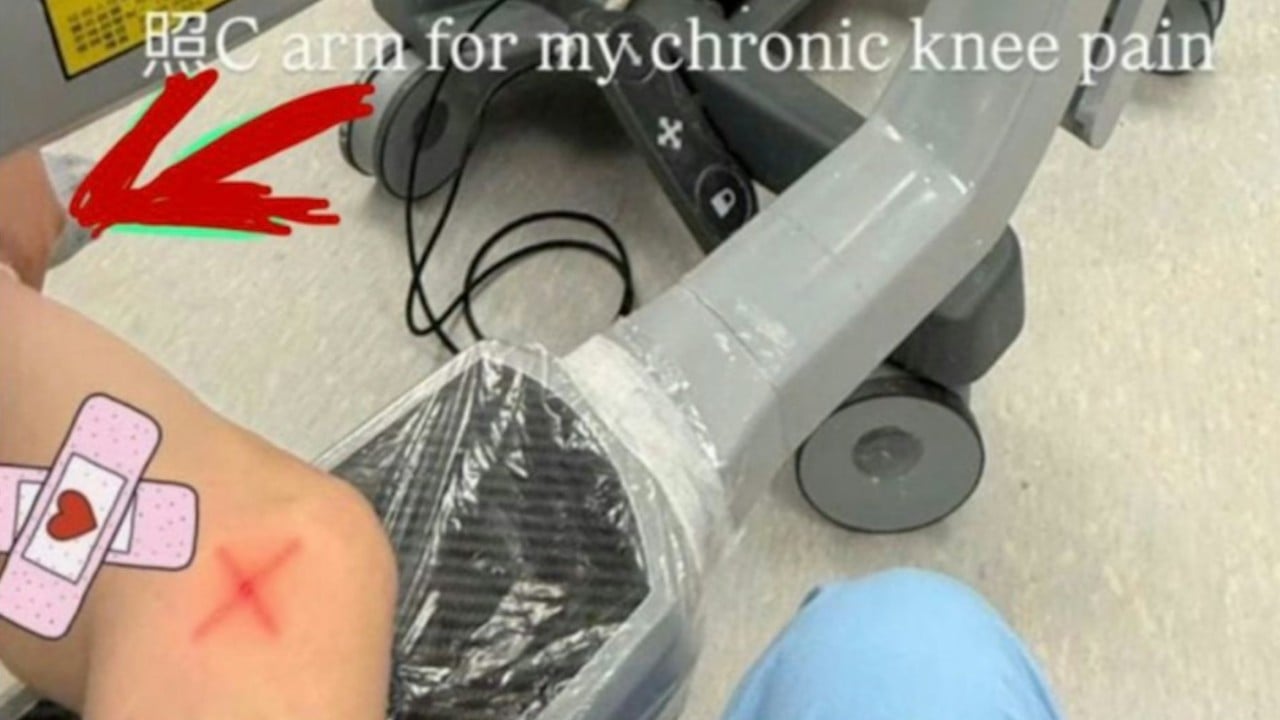
Hong Kong's Hospital Authority reported a medical intern to police for allegedly accessing patient data without authorization using another person's account at multiple hospitals. The trainee has been suspended along with a resident doctor, and the authority is investigating whether she was involved in additional misconduct during previous internships. The case raises concerns about healthcare data security and professional conduct standards in the medical field.
Hong Kong's Hospital Authority has reported a medical intern to police for allegedly accessing patient records without authorization at Caritas Medical Centre and browsing data from Tuen Mun Hospital patients using another person's account credentials. The authority suspended the trainee's clinical duties and system access, along with those of a resident doctor at Tuen Mun Hospital. The Hospital Authority is conducting a broader investigation into whether the intern was involved in additional misconduct during an earlier internship at Ruttonjee Hospital in Wan Chai, and has warned the trainee over previous violations. The authority stated it has reviewed affected patient records and found no abnormalities in their treatments, and will refer its findings to the Medical Council, which regulates medical professionals in Hong Kong.
What's missing
The specific identity and background of the trainee doctor, the number of patient records accessed, the timeline of the alleged unauthorized access, and the potential legal consequences or charges the trainee may face are not provided.
What different sources said
- South China Morning PostCenter
Trainee doctor reported to police for allegedly accessing patient records illicitly
Related

Multi-Cancer Blood Test Galleri Fails Primary Trial Endpoint
A major clinical trial of Galleri, a blood test designed to detect multiple cancers early, failed to meet its primary goal of reducing late-stage cancer diagnoses when results were announced in February. Multi-cancer early detection (MCED) tests aim to improve survival rates by identifying disease at earlier, more treatable stages. The failure raises questions about the effectiveness of this promising diagnostic approach despite initial scientific enthusiasm.
Study Uses CPAP Data to Measure Social Jet Lag in Sleep Apnea Patients
Researchers analyzed CPAP adherence records from nearly 3,000 obstructive sleep apnea patients to measure social jet lag—the circadian misalignment between work and free days. About 16-21% of patients showed moderate to severe social jet lag, with prevalence highest in younger and middle-aged adults and declining after age 65. The findings suggest CPAP devices could routinely screen for circadian misalignment, potentially identifying patients who need additional behavioral or activity-based interventions.

FDA Updates Alli Label to Warn of Rare but Potentially Fatal Kidney Problems
The FDA has approved updated labeling for Alli, an over-the-counter weight loss pill, to warn of rare risks including acute kidney injury, kidney stones, and oxalate nephropathy. The agency now instructs people with kidney disease history to consult a doctor before use and directs all users to stop taking the drug if they experience symptoms like back pain, blood in urine, or leg swelling. This warning is significant because Alli is the only OTC weight loss medication available in the U.S., and approximately 40 million people have used orlistat (Alli's generic form) since its approval in 1999.