Healthcare AI is delivering measurable benefits, but industry debates who will profit from efficiency gains

Healthcare leaders report that AI is helping clinicians see more patients, reduce administrative work, and improve outcomes, with patient satisfaction rising. The debate centers on whether these efficiency gains will translate into better care and compensation for providers, or disappear into lower insurance reimbursements like telehealth gains did. The question matters because healthcare costs are unsustainable and AI may be a critical tool for system reform.
Healthcare executives gathered at a Fortune-Philips event in New York this week to discuss AI's expanding role in medicine. According to the Future Health Index 2026 survey of over 2,000 healthcare professionals and 20,000 patients, AI is delivering tangible results: clinicians report seeing an average of eight additional patients per week, hundreds of hours of administrative burden are being eliminated, and patient satisfaction is rising. More than half of patients regularly using AI reported positive views of its impact, representing improved trust compared to a year prior. However, industry leaders expressed concern that these efficiency gains could follow the pattern of telehealth, where increased productivity led to reduced insurance reimbursements and thinner profit margins rather than reinvestment in care. Healthcare system CEOs emphasized that AI must be deployed as an enterprise-wide strategy focused on enhancing human-provider interactions rather than replacing them, and that the industry needs to capture these gains to address America's unsustainable healthcare costs.
What different sources said
- FortuneCenter
Health care’s AI dividend is real. The fight now is over who reaps the gains
Related
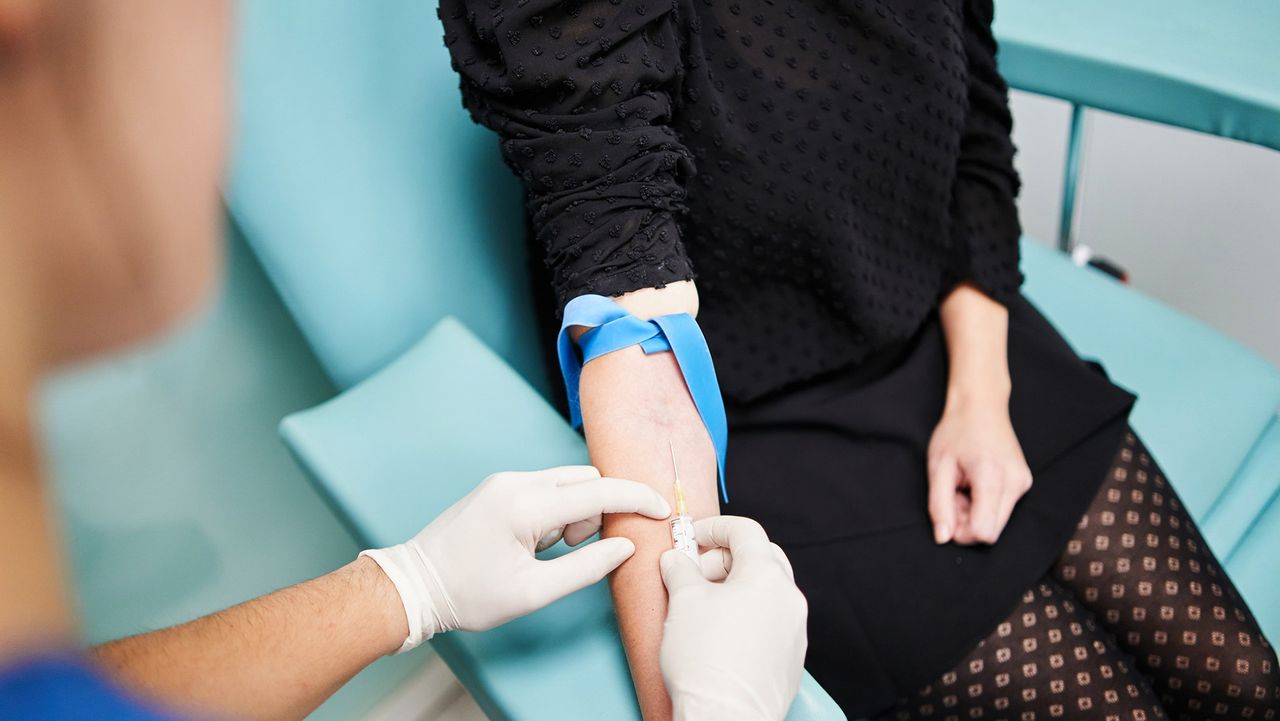
Multi-Cancer Blood Test Galleri Fails Primary Trial Endpoint
A major clinical trial of Galleri, a blood test designed to detect multiple cancers early, failed to meet its primary goal of reducing late-stage cancer diagnoses when results were announced in February. Multi-cancer early detection (MCED) tests aim to improve survival rates by identifying disease at earlier, more treatable stages. The failure raises questions about the effectiveness of this promising diagnostic approach despite initial scientific enthusiasm.
Study Uses CPAP Data to Measure Social Jet Lag in Sleep Apnea Patients
Researchers analyzed CPAP adherence records from nearly 3,000 obstructive sleep apnea patients to measure social jet lag—the circadian misalignment between work and free days. About 16-21% of patients showed moderate to severe social jet lag, with prevalence highest in younger and middle-aged adults and declining after age 65. The findings suggest CPAP devices could routinely screen for circadian misalignment, potentially identifying patients who need additional behavioral or activity-based interventions.

FDA Updates Alli Label to Warn of Rare but Potentially Fatal Kidney Problems
The FDA has approved updated labeling for Alli, an over-the-counter weight loss pill, to warn of rare risks including acute kidney injury, kidney stones, and oxalate nephropathy. The agency now instructs people with kidney disease history to consult a doctor before use and directs all users to stop taking the drug if they experience symptoms like back pain, blood in urine, or leg swelling. This warning is significant because Alli is the only OTC weight loss medication available in the U.S., and approximately 40 million people have used orlistat (Alli's generic form) since its approval in 1999.