Hardware Integration Becomes Focus of Modern Hackathons as Software Development Becomes Commoditized
A hackathon participant describes how modern hackathons are shifting focus from pure software development to hardware integration projects, exemplified by their team's AI-powered rotary phone that plays music via Spotify. This shift reflects how AI tools and no-code platforms have made traditional software development faster and less challenging, freeing participants to focus on physical hardware interfaces. The trend suggests hackathons may increasingly emphasize creative hardware projects over conventional software applications as the bar for impressive software-only projects continues to lower.
A developer who participated in a 48-hour hackathon in Vilnius describes a significant shift in hackathon culture away from pure software development toward hardware integration projects. Their team created an AI-powered rotary phone that interfaces with Spotify through a Raspberry Pi, allowing users to request music via voice commands delivered through an AI-generated Yorkshire accent. Notably, neither team member wrote any code during the entire weekend, relying instead on existing APIs and AI tools like ElevenLabs. The author argues this represents an evolution in hackathon culture: as software development becomes increasingly commoditized through AI tools and no-code platforms, the intellectual challenge and novelty of pure software projects has diminished. This shift frees participants to focus on the more complex and creative challenge of integrating hardware with software systems. The author suggests future hackathons should embrace increasingly absurd and impractical hardware projects—such as LLM-driven microwaves or Game Boy Advance Bloomberg terminals—prioritizing creative expression and technical ambition over viable business applications.
What's missing
The article lacks data on whether this hardware-focused trend is actually widespread across the hackathon community or represents the perspective of a single developer. It also doesn't address potential concerns about skill development, learning outcomes, or whether relying entirely on pre-built APIs and AI tools provides meaningful technical education for participants.
What different sources said
- Hacker NewsCenter
RIP software hackathons. Long live the hardware hackathon
Related
Class Action Lawsuit Filed Against xAI Over Noise from Mississippi Data Center Power Plant
US residents have filed a class action lawsuit against Elon Musk's xAI and SpaceX, claiming a power plant fueling nearby data centers produces constant, harmful noise that damages health and property values. The lawsuit, filed in federal court on Tuesday, seeks damages for emotional distress, reduced property values, and other harms on behalf of an estimated 10,000 people. The case highlights growing tensions between AI infrastructure expansion and community impacts, with the NAACP having separately sued xAI in April over environmental violations.
macOS Container Machines: A New Linux Development Environment for Mac Users
A new container machine tool enables developers to run integrated Linux environments directly on macOS with seamless host integration. Container machines are lightweight, persistent environments based on standard OCI images that automatically share the user's home directory and repositories between macOS and Linux. This approach allows developers to edit code on macOS while building and testing applications in a native Linux environment without manual file copying.
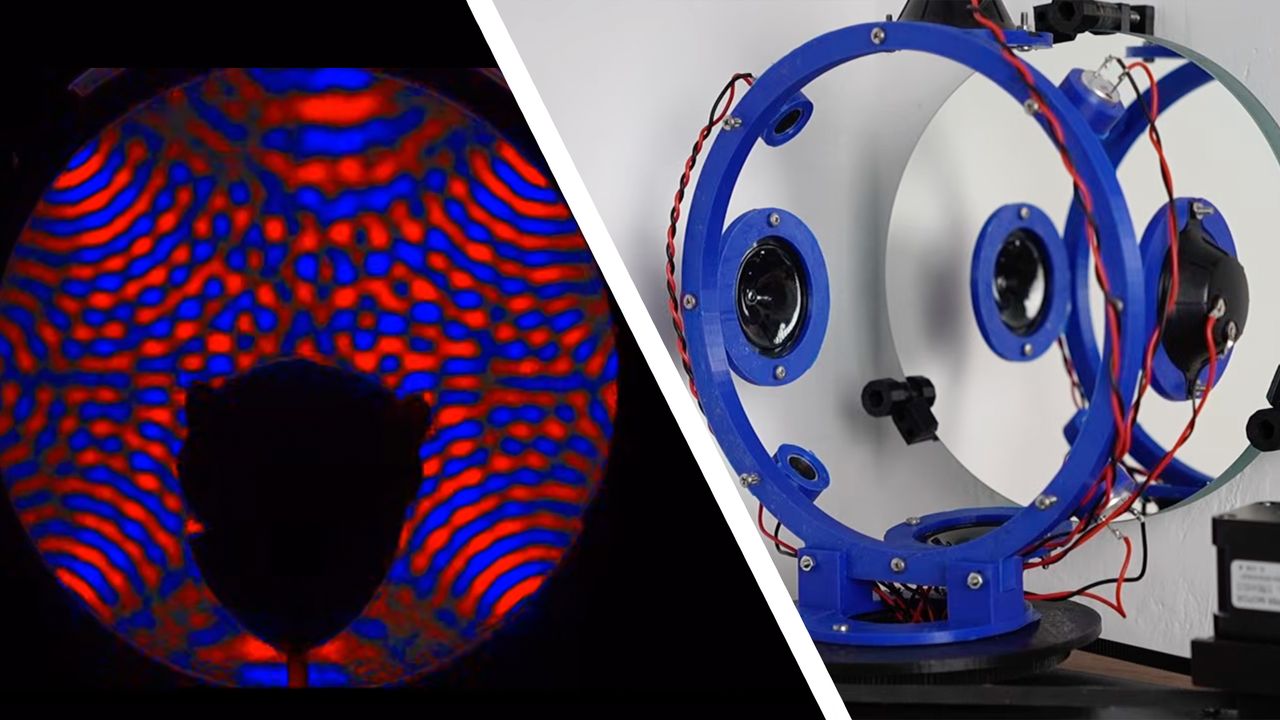
YouTuber Uses Custom Acoustic Scanner to Visualize Spatial Audio Performance in Different Speaker Setups
YouTuber PlasmatronX built a Computer Acoustic Tomography (CAT) scanner that visualizes sound waves in a room to compare how soundbars perform against full surround sound systems. The device uses multiple microphones and custom hardware to map acoustic behavior, with a stuffed guinea pig serving as a head-sized reference object. The visualization demonstrates how room acoustics and speaker placement affect spatial audio perception, revealing the 'sweet spots' for different audio configurations.