Gulf States Pursue Major AI Investments as Sovereign Wealth Funds Bet on Tech Giants

Gulf sovereign wealth funds and state-backed investors are deploying tens of billions of dollars into AI infrastructure, frontier tech companies, and data centers both regionally and globally. Kuwait's sovereign wealth fund joined KKR, Nvidia, and Vistra to launch a $10 billion AI infrastructure company called Helix Digital Infrastructure, while Saudi Arabia's HUMAIN invested $3 billion into xAI and Gulf entities hold stakes in SpaceX, OpenAI, and Anthropic. The scale of Gulf AI investment signals a strategic shift from oil-dependent economies toward technology-driven diversification, with the UAE targeting AI contributing 40% of GDP by 2031 and Saudi Arabia aiming for 12%.
Gulf sovereign wealth funds and state-backed investors have dramatically expanded their AI bets, moving well beyond earlier speculative tech investments into large-scale infrastructure and foundational AI companies. Kuwait's Investment Authority joined KKR, Nvidia, and power company Vistra to launch Helix Digital Infrastructure, a $10 billion venture led by former AWS chief Adam Selipsky that will build data centers, power generation plants, and fiber networks for hyperscalers. Saudi Arabia's PIF-backed HUMAIN invested $3 billion in xAI's $20 billion Series E round, with those holdings subsequently converting into SpaceX shares ahead of the company's anticipated $1.77 trillion IPO. The UAE is constructing the Stargate UAE campus in Abu Dhabi — projected to be the largest AI data center facility outside the United States at 5 gigawatts of compute capacity — developed by G42 in partnership with OpenAI, Oracle, Nvidia, Cisco, and SoftBank at a cost of around $30 billion. Gulf entities also hold positions in Anthropic, which recently raised $65 billion in a Series H round valuing it at $965 billion, and in OpenAI, valued at $852 billion by private investors. Across the broader MENA region, smaller startups in AI, fintech, and digital infrastructure are also attracting capital, reflecting a wider ecosystem build-out that complements the headline sovereign fund activity.
What's missing
The articles do not address potential geopolitical or regulatory risks associated with Gulf state ownership stakes in sensitive U.S. AI and aerospace companies, including any national security review processes such as CFIUS scrutiny.
What different sources said
- FortuneCenter
The Gulf states are betting big on AI: who’s investing where?
- Yahoo FinanceCenter
The Gulf states are betting big on AI: who’s investing where?
- SemaforCenter
Kuwait joins AI infrastructure race with $10B venture
- Arab NewsCenter
Startup Wrap: MENA startups draw capital as AI bets continue to accelerate
- Yahoo FinanceCenter
KKR, Nvidia, Kuwait Fund Launch $10 Billion AI Venture. Private Capital Pours Into Data Centers.
Related
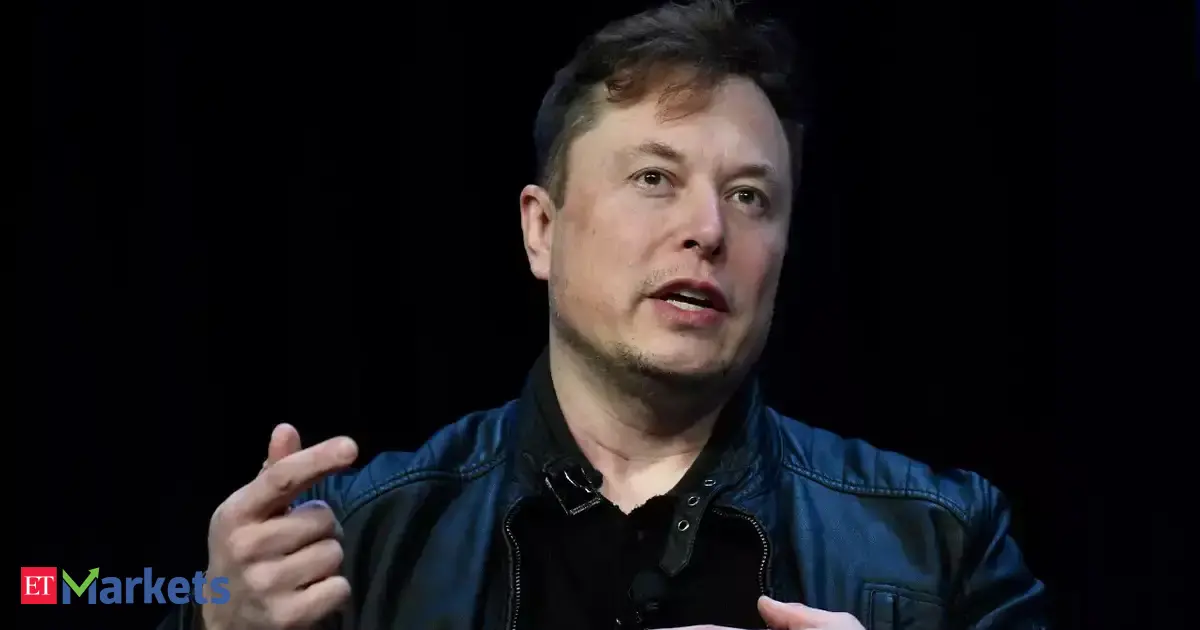
SpaceX IPO Makes Elon Musk World's First Trillionaire as Shares Surge 19% on Debut
SpaceX shares closed up 19% on their first trading day, pushing Elon Musk's net worth to approximately $1.11 trillion and making him the first individual in history to cross the trillion-dollar threshold. The company raised $75 billion at an IPO price of $135 per share, with shares closing near $161, giving SpaceX a market capitalization of roughly $2.1 trillion despite the company reporting a net loss of $4.94 billion in 2025. The milestone has drawn both investor enthusiasm and sharp criticism over Musk's social media conduct and concerns that the IPO's structure exploits passive index fund mechanics to extract wealth from ordinary retirement savers.
Delhi Power Bills to Rise for Some Consumers as Regulator Approves Higher Electricity Surcharge
Delhi's electricity regulator DERC has approved increased Power Purchase Adjustment Charges (PPAC) for distribution companies, raising bills for consumers in south, east, and central Delhi from July 2026. The hike follows a sharp rise in power procurement costs in April 2026, driven by higher summer demand and elevated fuel prices. The change also marks a structural shift from quarterly to monthly PPAC revisions, making electricity bills more responsive to real-time cost fluctuations.

SEC Proposes Repealing Rule 611 and Rule 610(e) of Regulation NMS
The Securities and Exchange Commission proposed on June 11, 2026, to rescind Rule 611 and Rule 610(e) of Regulation NMS, which govern trade-through protections and locking/crossing quotations in equity markets. Rule 611, in place for roughly two decades, requires trades to be executed at the best available price across exchanges. The proposal could reshape equity market structure and has implications for emerging areas such as tokenized stocks.