GSK Acquires Cancer Drug Developer Nuvalent for $10.6 Billion
British pharmaceutical giant GSK has agreed to acquire U.S.-based oncology biotech Nuvalent for $10.6 billion in an all-cash deal at $124 per share, representing roughly a 40% premium to Nuvalent's last closing price. The acquisition gives GSK access to two late-stage lung cancer treatments — zidesamtinib and neladalkib — both currently under FDA review, as well as an early-stage medicine and a preclinical portfolio. The deal is GSK's largest in over a decade and is intended to offset anticipated revenue losses when its best-selling HIV drug loses exclusivity beginning in 2028.
GSK announced Tuesday it will acquire Cambridge, Massachusetts-based Nuvalent in a $10.6 billion all-cash transaction, paying $124 per share — approximately a 40% premium to Nuvalent's last closing price and a 26% premium to its 30-day average. Nuvalent, founded in 2017 by Harvard chemistry professor Matthew Shair and listed on Nasdaq in 2021, specializes in targeted therapies for non-small cell lung cancer driven by specific genetic mutations. Its two lead assets, neladalkib and zidesamtinib, are under FDA review with decisions expected in September and November respectively, and GSK CEO Luke Miels said both could launch this year if approved. Analysts at CGS International estimated the two drugs could generate combined annual revenues of $823 million by 2029, though some analysts, including those at Barclays, questioned whether the assets truly have mega-blockbuster potential. The deal is GSK's second-largest transaction in its history, trailing only a 2014 asset swap with Novartis, and marks a significant strategic shift for Miels, who had previously signaled a preference for smaller bolt-on deals in the £2–4 billion range. GSK said the acquisition will contribute to revenue growth from 2027 and help offset the HIV exclusivity headwind from mid-2028, with no change to its 2026 full-year guidance. The transaction comes amid a broader biotech dealmaking surge, with global biotech deals reaching $106 billion across 201 transactions so far in 2026, according to PitchBook data. Cancer death rates in major economies have declined sharply since peaking in the late 1980s and early 1990s, yet cancer remains a major and growing commercial priority for large pharmaceutical companies as populations age.
Data: WHO via OWID / Semafor
What's missing
The sources do not address what happens to the deal or GSK's financial projections if one or both drugs fail to receive FDA approval. The competitive landscape for ROS1-positive and ALK-positive non-small cell lung cancer treatments — including existing approved therapies from rivals — is not fully described.
How coverage differed
CNBC and STAT News framed the deal primarily through a financial and pipeline-strategy lens, emphasizing the premium paid and analyst skepticism about blockbuster potential. The Guardian provided additional human and social context — including the patient demographic most affected (young female non-smokers) and founder Matthew Shair's expected payout — while also noting that GSK itself describes this as its biggest-ever acquisition, a characterization CNBC qualified differently by referencing the 2014 Novartis asset swap.
What different sources said
- STAT NewsCenter
STAT+: Pharmalittle: We’re reading about a $10.6 billion GSK deal, an AstraZeneca obesity pill, and more
- CNBCCenter
Nuvalent shares surge 39% after UK's GSK agrees to buy the cancer drugmaker for $10.6 billion
- SemaforCenter
GSK buys cancer drugmaker Nuvalent for $10B
- The Guardian USLeft
GSK makes biggest ever acquisition with $10.6bn for US cancer drug firm
- Yahoo FinanceCenter
GSK boosts cancer pipeline with $11B Nuvalent buyout
- Yahoo FinanceCenter
GSK to Buy Nuvalent for $10.6 Billion in Oncology Push
- Yahoo FinanceCenter
Nuvalent Stock Jumps 39% on Surprise GSK Cancer-Drug Deal
- BloombergCenter
JM Smucker Moves on Profit Beat; Vail Resorts Down on Full Year Guidance Cut | Stock Movers
- The RegisterCenter
Novo Nordisk reports cyberattack as UK gives Wegovy pill the nod
- Yahoo FinanceCenter
Incyte Nears Buy Point As $1.25 Billion Acquisition Expands Offerings
Related
SpaceX IPO Makes Elon Musk World's First Trillionaire as Shares Surge 19% on Debut
SpaceX shares closed up 19% on their first trading day, pushing Elon Musk's net worth to approximately $1.11 trillion and making him the first individual in history to cross the trillion-dollar threshold. The company raised $75 billion at an IPO price of $135 per share, with shares closing near $161, giving SpaceX a market capitalization of roughly $2.1 trillion despite the company reporting a net loss of $4.94 billion in 2025. The milestone has drawn both investor enthusiasm and sharp criticism over Musk's social media conduct and concerns that the IPO's structure exploits passive index fund mechanics to extract wealth from ordinary retirement savers.
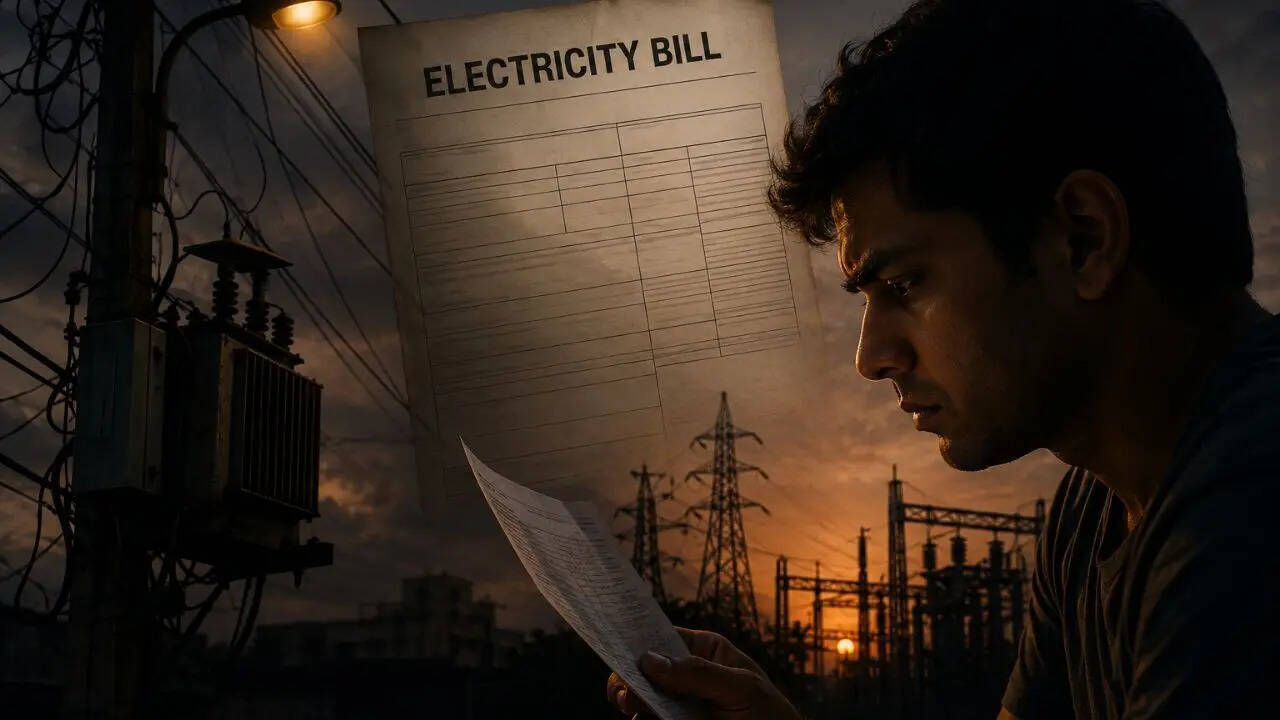
Delhi Power Bills to Rise for Some Consumers as Regulator Approves Higher Electricity Surcharge
Delhi's electricity regulator DERC has approved increased Power Purchase Adjustment Charges (PPAC) for distribution companies, raising bills for consumers in south, east, and central Delhi from July 2026. The hike follows a sharp rise in power procurement costs in April 2026, driven by higher summer demand and elevated fuel prices. The change also marks a structural shift from quarterly to monthly PPAC revisions, making electricity bills more responsive to real-time cost fluctuations.

SEC Proposes Repealing Rule 611 and Rule 610(e) of Regulation NMS
The Securities and Exchange Commission proposed on June 11, 2026, to rescind Rule 611 and Rule 610(e) of Regulation NMS, which govern trade-through protections and locking/crossing quotations in equity markets. Rule 611, in place for roughly two decades, requires trades to be executed at the best available price across exchanges. The proposal could reshape equity market structure and has implications for emerging areas such as tokenized stocks.