Global Fertilizer Shortage Threatens Food Production in Developing Nations
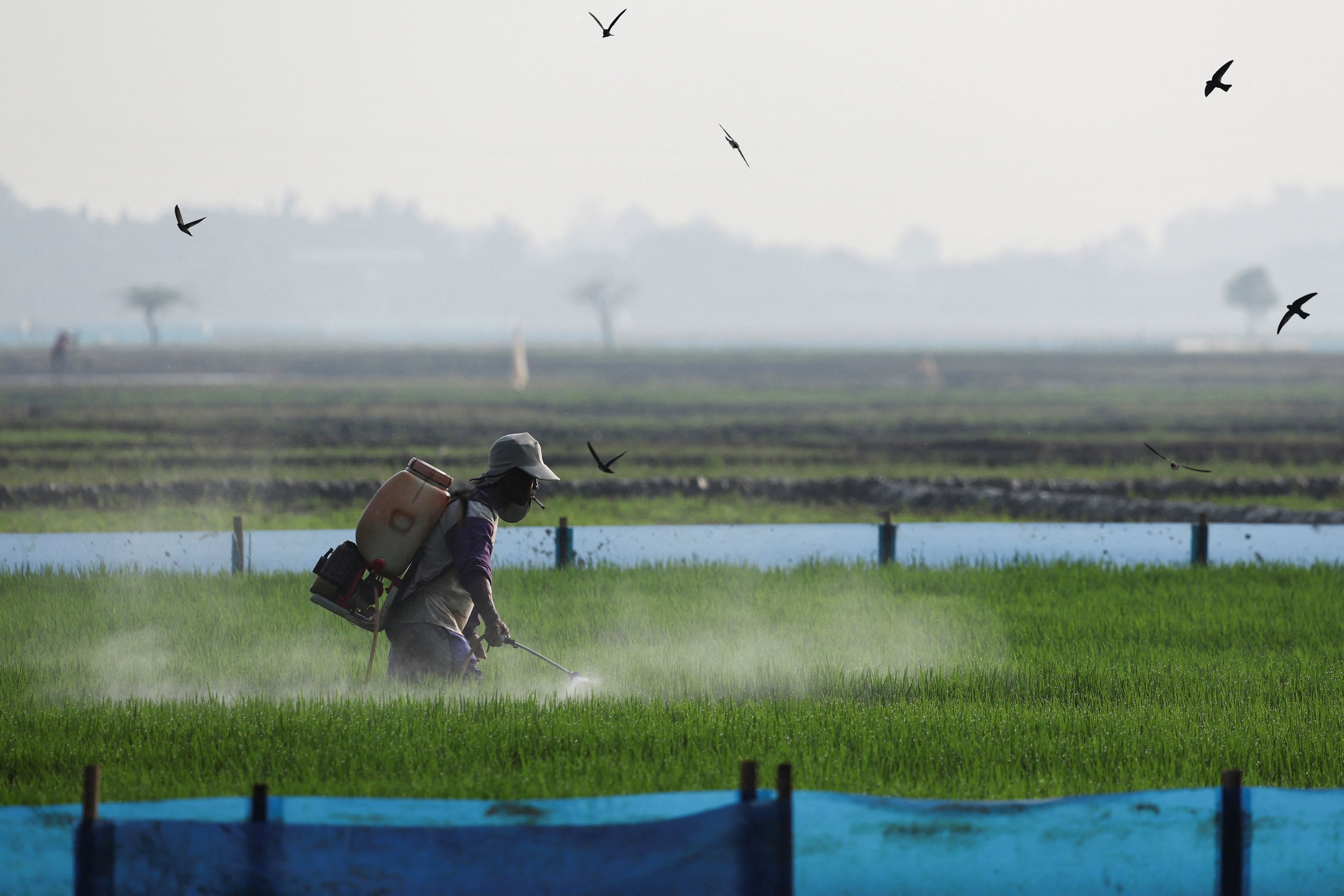
Soaring fertilizer prices and supply disruptions are forcing poorer nations that depend on imports to cut back on agricultural inputs, with approximately 30% of global fertilizer supplies previously flowing through the Strait of Hormuz now at risk. Countries like Brazil and India are experiencing significant economic strain, with farmers reducing purchases and governments facing budget pressures from subsidy programs. Experts warn that missed planting seasons could trigger humanitarian crises and a broader food security emergency.
Fertilizer price increases are disproportionately affecting developing nations that rely heavily on imports, creating a cascading agricultural crisis. The disruption of supply routes—particularly through the Strait of Hormuz, which previously handled roughly 30% of global fertilizer flows—has exacerbated shortages and driven up costs. In Brazil, farmers are reducing fertilizer purchases due to affordability constraints, leading to diminished crop yields and financial losses. India faces mounting fiscal pressure as its fertilizer subsidy spending is projected to double the government's initial budget estimates. Agricultural experts and organizations like the World Economic Forum have raised alarms about the possibility of widespread crop failures if farmers cannot access sufficient fertilizer during critical planting seasons, with potential consequences for global food security and humanitarian outcomes.
What's missing
The article references 'the Iran war' but does not specify which conflict or timeframe is being discussed, which would be important context for understanding the supply chain disruption. Additionally, while the article mentions price increases and supply constraints, it does not provide specific price figures or quantify the percentage reduction in available fertilizer supplies.
What different sources said
- SemaforCenter
Poorer nations face fertilizer hit as prices soar
Related
Chevron and Argentine Shale Producers to Supply $3 Billion Natural Gas Liquids Project
Chevron and two other major Argentine shale producers are signing contracts this week to supply a natural gas liquids (NGL) project worth $3 billion. The supply agreements effectively guarantee the project will proceed, according to sources familiar with the matter. This development is significant for Argentina's energy sector and Chevron's operations in one of the world's largest shale reserves.

Sweden Donates Gripen Fighter Jets to Ukraine in Major Air Power Upgrade
Sweden has agreed to donate 16 Saab JAS 39 Gripen C/D fighter jets to Ukraine, with Kyiv purchasing 20 additional advanced Gripen E/F models, as part of a deal that could eventually reach 150 aircraft. The Gripen was designed during the Cold War to operate from austere locations and requires minimal ground crew, making it well-suited to Ukraine's operational environment. The acquisition represents a significant enhancement to Ukraine's air combat capabilities against Russian forces.

Military analysts assess potential challenges and risks of U.S. military intervention in Cuba
Military experts and Pentagon insiders are analyzing the potential difficulties and consequences of a possible U.S. military operation against Cuba under the Trump administration's pressure campaign. Cuba's cohesive communist government structure and loyal military differ significantly from Venezuela's fractured system, making regime change more complicated. The analysis highlights risks including humanitarian crises, migration surges, regional geopolitical shifts, and the absence of viable successor leadership.