Global artificial light pollution surges 16% since 2014, with major health and ecological consequences
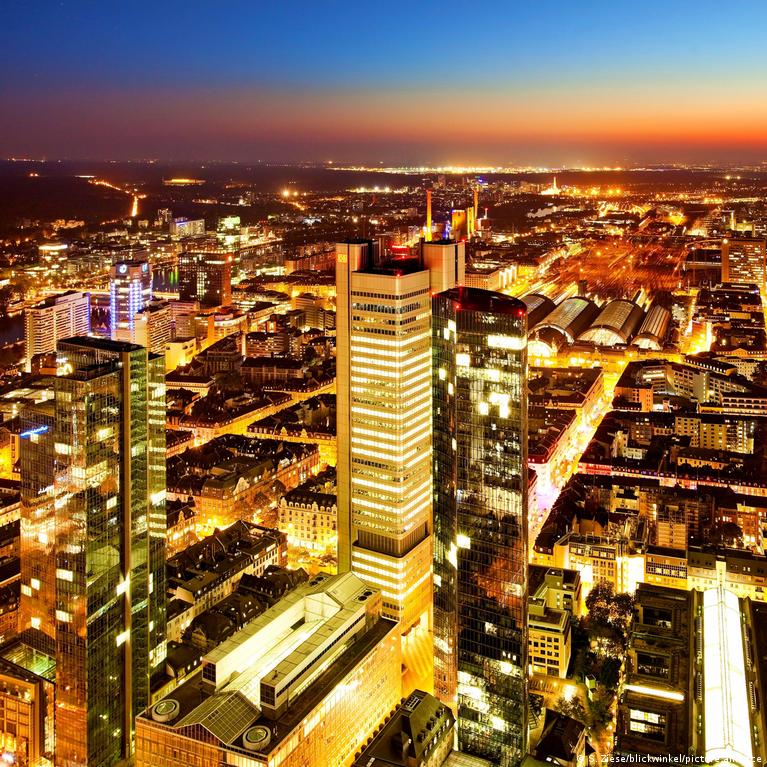
A study published in Nature found that artificial light emissions at night increased by approximately 16% globally between 2014 and 2022, with light intensity rising an average of 9% in brightening areas. The growth is concentrated in fast-developing regions of Asia, particularly China and India, while some European countries have reduced light pollution. Excessive artificial light disrupts human sleep cycles and hormonal balance while devastating nocturnal wildlife, from insects to migratory birds.
According to research published in Nature, global artificial light emissions at night increased by about 16% from 2014 through 2022, with light intensity rising an average of 9% in areas experiencing increased brightening. The most dramatic increases occurred in economically growing regions of Asia, particularly China and India, while the United States saw the greatest increases on the West Coast due to population and economic growth in California. In contrast, Europe has reduced overall light intensity by 4% since 2014, with notable declines in France (33%), the United Kingdom (22%), and the Netherlands (21%). The expansion of artificial light poses significant health risks to humans, including disruption of circadian rhythms, hormonal imbalances, and increased risk of metabolic disorders such as diabetes, depression, and obesity. The ecological impact is equally severe: more than half of all species are nocturnal and have adapted to natural light cycles over millennia, and artificial light now kills billions of insects annually, disrupts migratory bird navigation, and shrinks habitats for nocturnal mammals.
What different sources said
- Deutsche WelleCenter
Blinded by the light pollution: Cities seek to restore night
Related
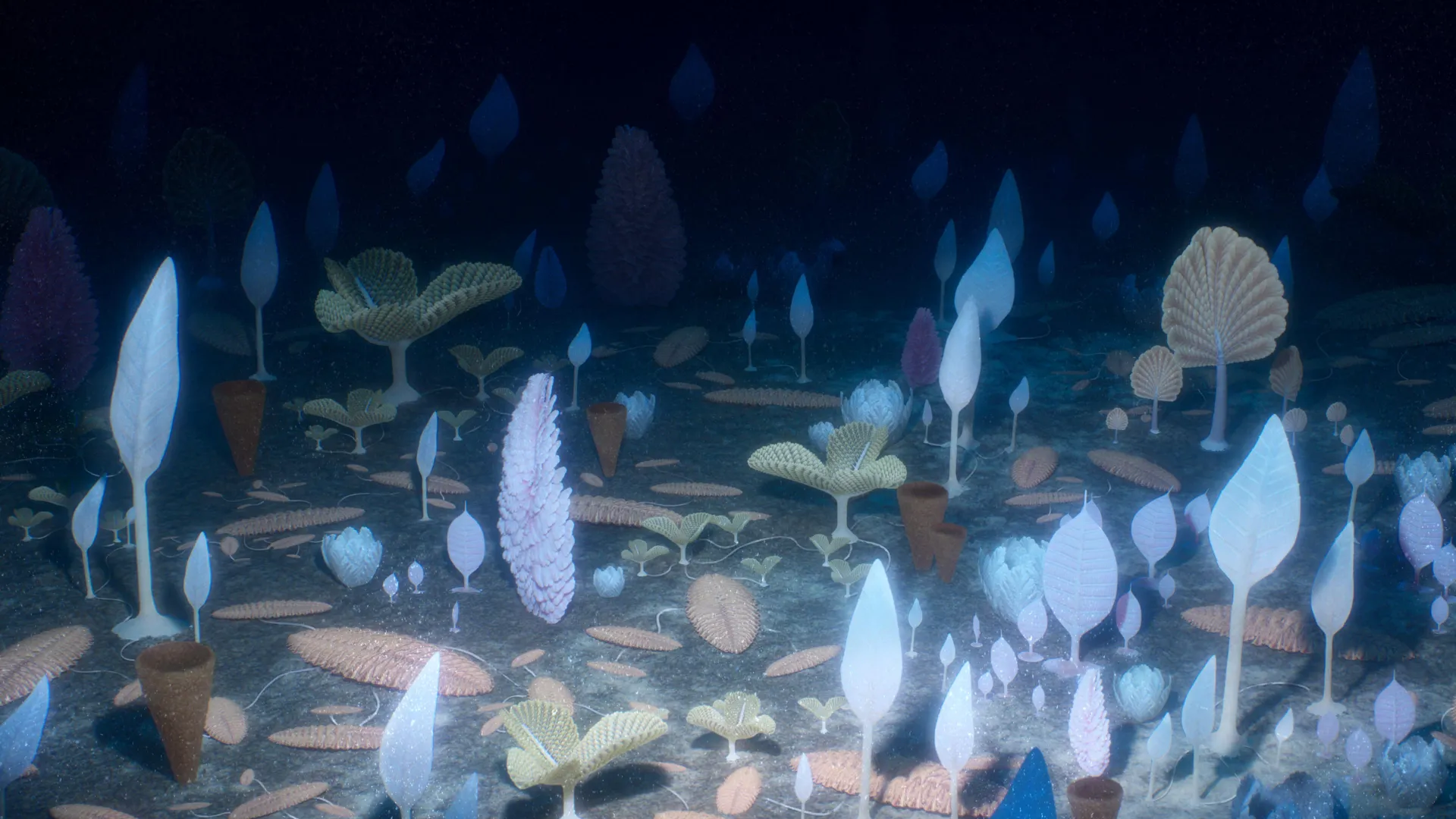
Study suggests asexual reproduction slowed early animal evolution during Ediacaran period
Researchers from the University of Cambridge found that early animals during the Ediacaran period (635-539 million years ago) reproduced asexually through runners, which limited competition and slowed evolutionary diversity. The study used fossil analysis, spatial modeling, and artificial intelligence to examine ancient ecosystems at Mistaken Point in Newfoundland. The findings help explain why animal diversity remained limited for millions of years before a dramatic burst of innovation in the Cambrian period.

UK Science Facilities Face £162m Funding Crisis With Potential Closures
Britain's world-leading science facilities, including the Diamond Light Source and ISIS Neutron and Muon Source, face potential closure or significant cuts due to a £162m funding crisis at the Science and Technology Facilities Council caused by rising electricity costs, staff expenses, and foreign exchange pressures. These facilities serve hundreds of companies and thousands of scientists domestically and internationally, with Diamond producing light 10 billion times brighter than the sun for materials research. Scientists and research leaders warn that short-term funding cuts could cause decades-long damage to the UK's scientific capability and international competitiveness.
Mitochondrial ROS Signaling Drives Avoidance Learning in C. elegans
Researchers discovered that reactive oxygen species (ROS) produced by mitochondria in postsynaptic neurons are necessary and sufficient to drive avoidance learning in C. elegans, using optogenetic stimulation of nociceptive neurons. The study demonstrates that activity-dependent mitochondrial ROS production increases glutamate receptors at synapses and strengthens neural circuits controlling avoidance behavior. This finding reveals a novel molecular mechanism linking neuronal activity to synaptic plasticity and behavioral learning.