Germany's Military Capabilities and Defensive Resolve Reassessed
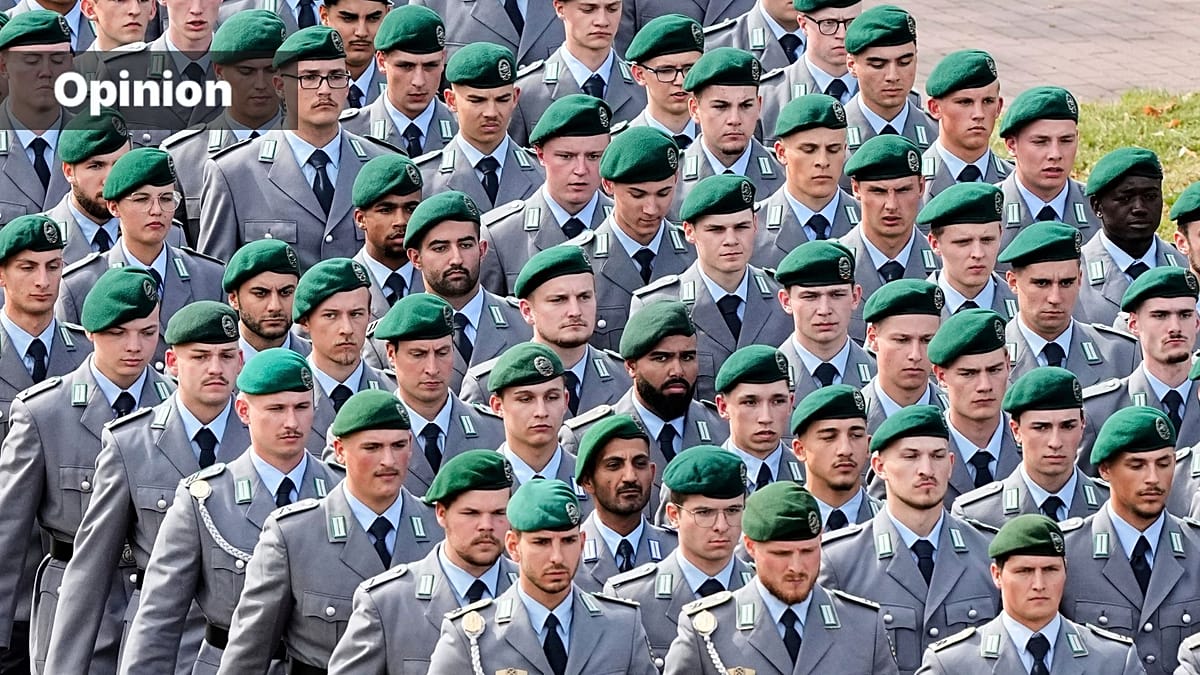
A senior German military researcher argues that Germany's defensive capabilities and population willingness to defend the country are significantly underestimated by international media. While opinion polls show lower percentages of Germans willing to take up arms compared to Nordic and Baltic states, the analysis accounts for population size differences and broader definitions of national defense beyond combat. The reassessment matters because negative perceptions of German resolve could undermine allied confidence and encourage potential aggressors.
Dr. Timo Graf from Germany's Centre for Military History and Social Sciences argues that widespread reports of low German willingness to defend their country misrepresent the actual defensive potential. While polls show only a minority of Germans say they would pick up weapons in defense, Graf contends this must be contextualized: Germany's 83 million population means that even lower percentages translate to millions of potential defenders—more than five million men and two million women in the 20-40 age group alone. The analysis also notes that direct comparisons with Nordic and Baltic states ignore differences in conscription systems, historical experiences, and population sizes. Furthermore, Graf emphasizes that national defense extends far beyond military combat, encompassing civil protection, industrial capacity, and state functions—areas where German survey data shows much higher willingness to contribute. Germany has simultaneously become Europe's largest military supporter of Ukraine and is significantly increasing its own defense spending.
What different sources said
- EuronewsCenter
A turning point: Why Germany’s military capabilities are underestimated
Related

Chevron and Argentine Shale Producers to Supply $3 Billion Natural Gas Liquids Project
Chevron and two other major Argentine shale producers are signing contracts this week to supply a natural gas liquids (NGL) project worth $3 billion. The supply agreements effectively guarantee the project will proceed, according to sources familiar with the matter. This development is significant for Argentina's energy sector and Chevron's operations in one of the world's largest shale reserves.

Sweden Donates Gripen Fighter Jets to Ukraine in Major Air Power Upgrade
Sweden has agreed to donate 16 Saab JAS 39 Gripen C/D fighter jets to Ukraine, with Kyiv purchasing 20 additional advanced Gripen E/F models, as part of a deal that could eventually reach 150 aircraft. The Gripen was designed during the Cold War to operate from austere locations and requires minimal ground crew, making it well-suited to Ukraine's operational environment. The acquisition represents a significant enhancement to Ukraine's air combat capabilities against Russian forces.

Military analysts assess potential challenges and risks of U.S. military intervention in Cuba
Military experts and Pentagon insiders are analyzing the potential difficulties and consequences of a possible U.S. military operation against Cuba under the Trump administration's pressure campaign. Cuba's cohesive communist government structure and loyal military differ significantly from Venezuela's fractured system, making regime change more complicated. The analysis highlights risks including humanitarian crises, migration surges, regional geopolitical shifts, and the absence of viable successor leadership.