Fossil Fish Discovery in Egyptian Desert Reveals Marine Life Recovery After Dinosaur Extinction
Researchers discovered well-preserved fossil fish at a remote Egyptian site (Qreiya 3) dated to approximately 4 million years after the asteroid impact that killed the dinosaurs 66 million years ago. The findings provide rare evidence of how marine ecosystems recovered during the critical early period following the mass extinction event. This discovery fills a significant gap in scientific understanding of post-extinction marine evolution and ecosystem reorganization.
A team of paleontologists led by researchers from Mansoura University's Vertebrate Paleontology Center conducted fieldwork at Qreiya 3 in Egypt's eastern desert and uncovered fossil fish specimens from rocks deposited only about 4 million years after the K-Pg asteroid impact. The site yielded multiple specimens including moonfishes and what appears to be the oldest known jack fish skeleton. The research addresses a major gap in the fossil record, as scientists have limited knowledge about what happened to marine life in the seas during the first few million years following the extinction event that ended the dinosaur age. The discovery was made possible when pandemic-related travel restrictions forced a researcher to return to Egypt, where conversations with advisers led to the identification of the promising fossil-bearing formation. The findings contribute to understanding how modern marine ecosystems emerged and reorganized following the catastrophic extinction event.
What different sources said
- The ConversationCenter
Fossil fishes buried in the desert reveal a missing chapter in marine history
Related
New AI Framework Improves Evidence-Based Analysis for Muon Collider Research
Researchers have developed an AI system called agentic hybrid RAG that combines retrieval and reasoning techniques to help scientists find and verify evidence in muon collider research literature. The framework integrates both keyword-based and semantic search methods with AI reasoning to decompose complex queries and synthesize answers. This work addresses a growing need in high-energy physics for AI-assisted tools that can reliably navigate rapidly expanding scientific literature.
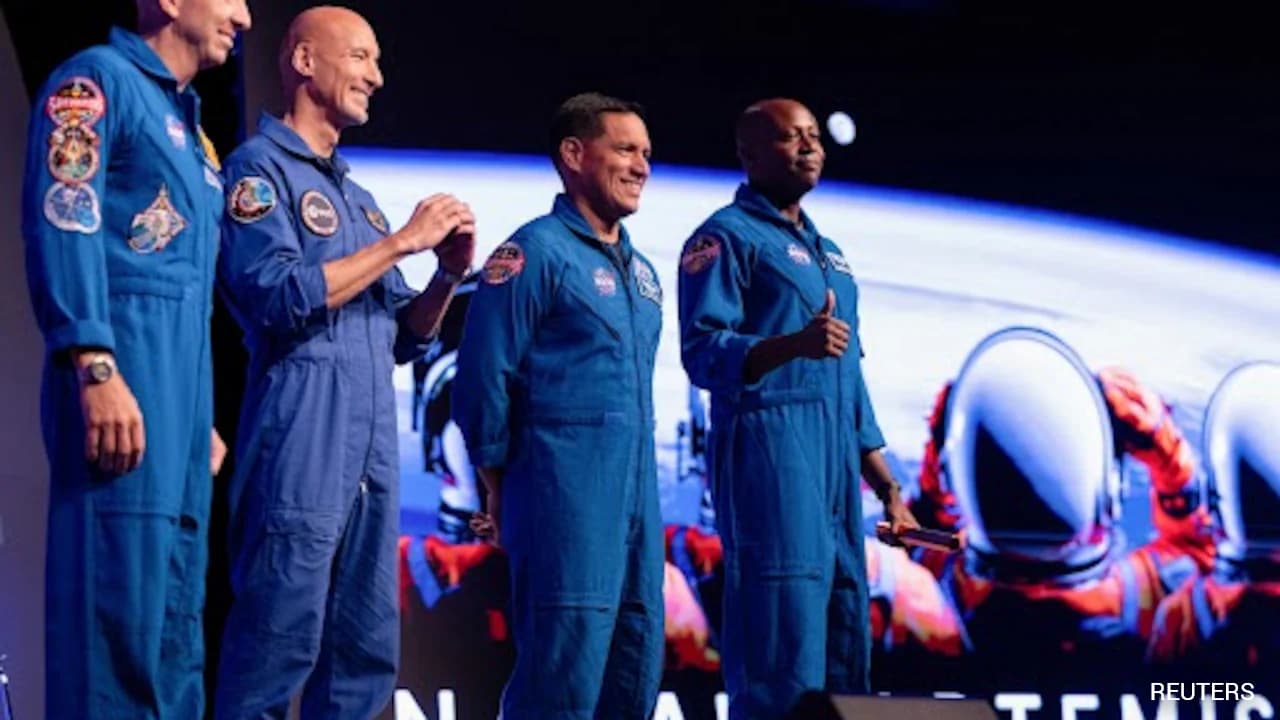
NASA Announces Four-Astronaut Crew for Artemis III Moon Mission
NASA named three U.S. astronauts and one Italian astronaut from the European Space Agency as the crew for Artemis III, scheduled to launch in 2027. The mission will conduct a docking demonstration in Earth's orbit and test moon landers from SpaceX and Blue Origin. The crew includes a veteran test pilot, a record-holder for longest U.S. spaceflight, and a first-time space flyer.
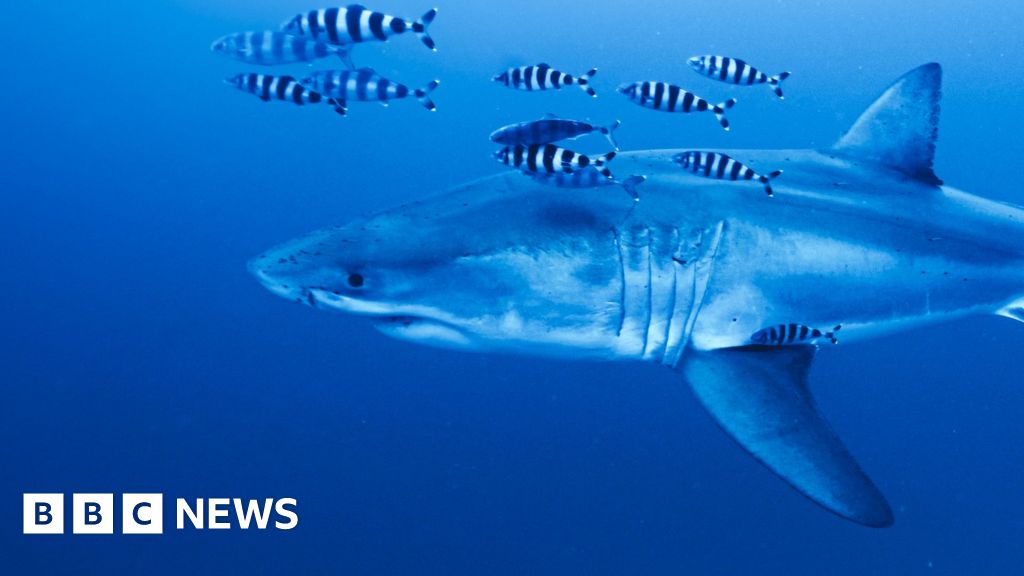
Rare Great White shark filmed in Mediterranean Sea between Tunisia and Sicily
A volunteer diver captured rare footage of a Great White shark in the Mediterranean Sea in May while working to document ghost fishing nets. The sighting is significant because Great Whites are thought to be near extinction in the Mediterranean due to overfishing. Conservationists hope the discovery will prompt governments to establish marine protected areas in the region.