First Human Receives Cellular Reprogramming Therapy to Reverse Aging
A participant has received the first-ever human treatment in a clinical trial using cellular reprogramming technology designed to rejuvenate aging cells. Cellular reprogramming is an experimental approach that aims to reverse the aging process at the cellular level by restoring cells to a younger state. This represents a significant milestone in longevity research, though the long-term safety and efficacy of the treatment remain to be established through ongoing clinical trials.
In a landmark development, the first human participant has been enrolled and treated in a clinical trial testing cellular reprogramming therapy, a novel approach aimed at reversing cellular aging. The therapy works by reprogramming aged cells to restore them to a more youthful state, potentially addressing the cellular mechanisms underlying age-related decline. This represents the first time such a treatment has been administered to a human subject, marking a significant milestone in translating cellular reprogramming from laboratory research into clinical practice. The trial will assess the safety and efficacy of the approach, with results expected to provide crucial data on whether this strategy can effectively rejuvenate aging cells in living patients. Success in this trial could open new therapeutic avenues for age-related diseases and conditions.
Limitations & open questions
The specific mechanisms of the cellular reprogramming therapy, the trial's primary endpoints, expected timeline for results, potential risks or side effects being monitored, and the identity of the research institution conducting the trial are not detailed in the provided source.
What different sources said
- Nature NewsCenter
World-first: therapy to make cells young again given to a person
Related
New AI Framework Improves Evidence-Based Analysis for Muon Collider Research
Researchers have developed an AI system called agentic hybrid RAG that combines retrieval and reasoning techniques to help scientists find and verify evidence in muon collider research literature. The framework integrates both keyword-based and semantic search methods with AI reasoning to decompose complex queries and synthesize answers. This work addresses a growing need in high-energy physics for AI-assisted tools that can reliably navigate rapidly expanding scientific literature.
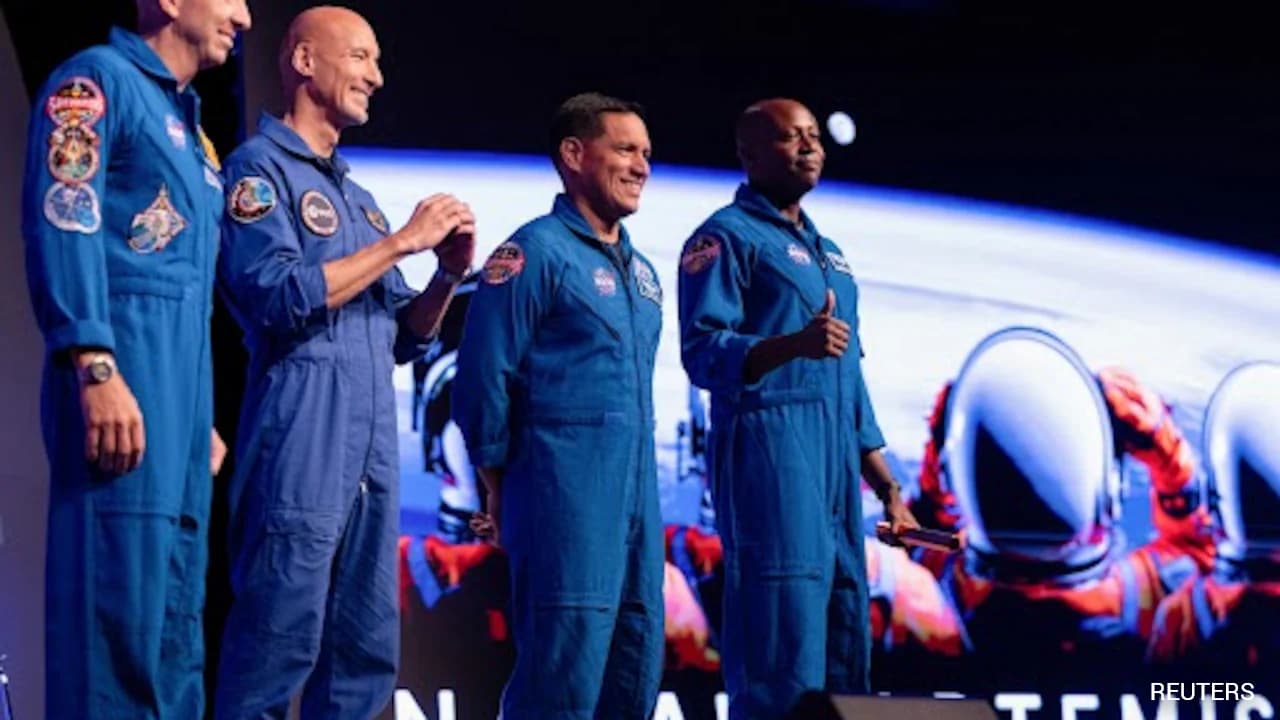
NASA Announces Four-Astronaut Crew for Artemis III Moon Mission
NASA named three U.S. astronauts and one Italian astronaut from the European Space Agency as the crew for Artemis III, scheduled to launch in 2027. The mission will conduct a docking demonstration in Earth's orbit and test moon landers from SpaceX and Blue Origin. The crew includes a veteran test pilot, a record-holder for longest U.S. spaceflight, and a first-time space flyer.
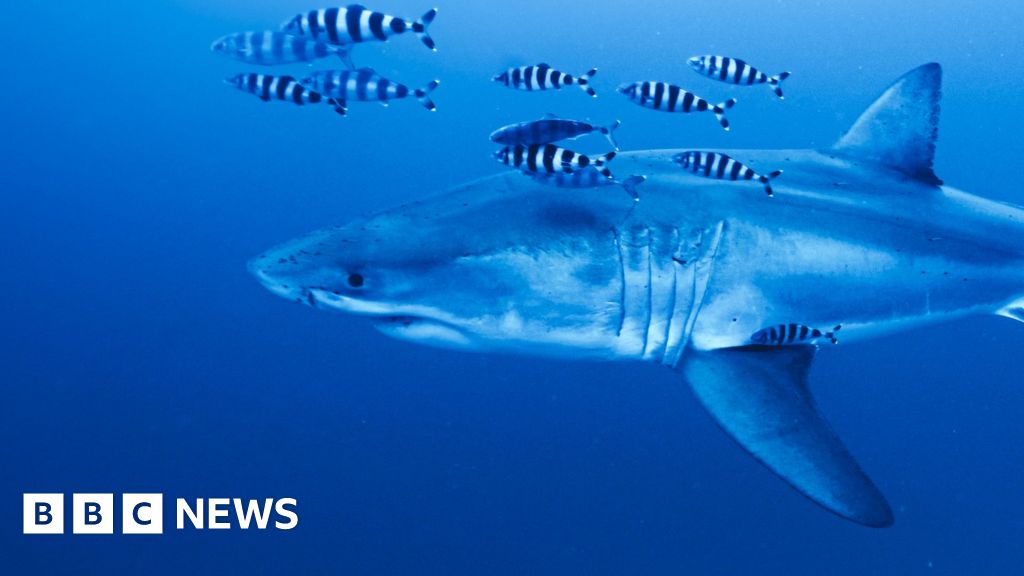
Rare Great White shark filmed in Mediterranean Sea between Tunisia and Sicily
A volunteer diver captured rare footage of a Great White shark in the Mediterranean Sea in May while working to document ghost fishing nets. The sighting is significant because Great Whites are thought to be near extinction in the Mediterranean due to overfishing. Conservationists hope the discovery will prompt governments to establish marine protected areas in the region.