FIFA World Cup 2026: 48-Team Format, Schedule, and Tournament Details
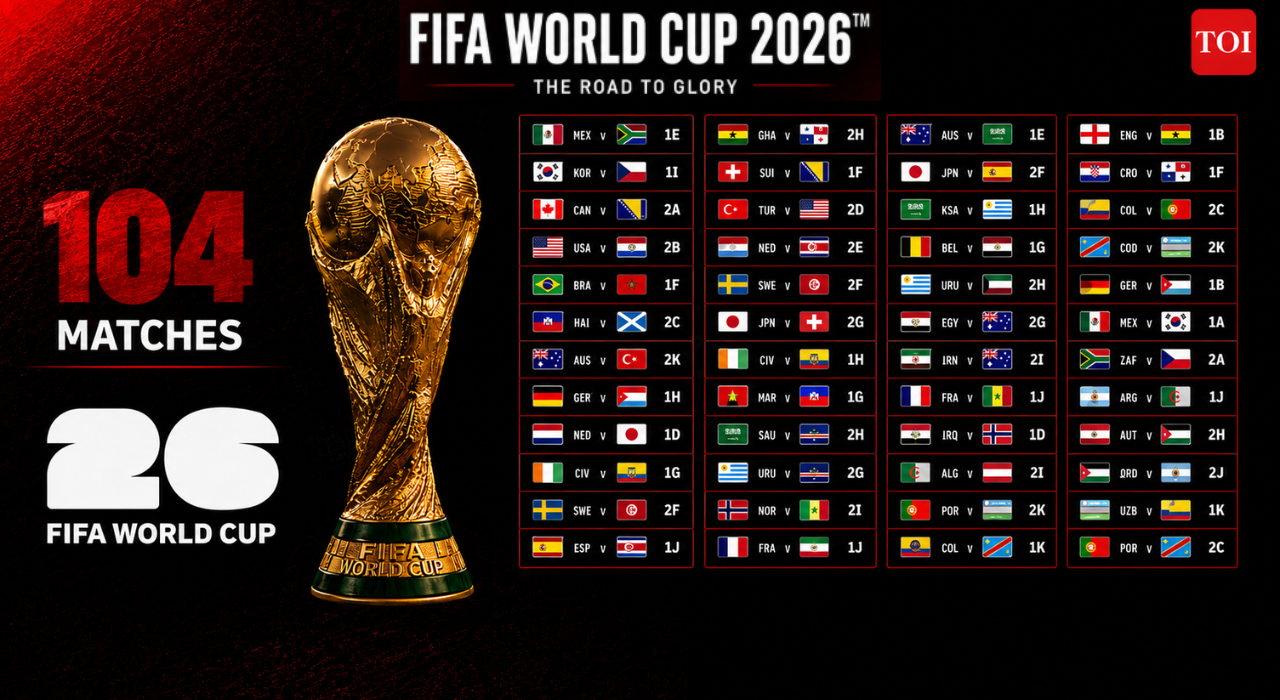
FIFA will expand the 2026 World Cup to 48 teams for the first time, with the tournament running from June 11 to July 19, 2026, across the United States, Canada, and Mexico. The expanded format introduces a new Round of 32 knockout stage and increases total matches from 64 to 104. The expansion aims to increase global participation, accelerate football's growth in emerging nations, and generate additional commercial revenue.
The 2026 FIFA World Cup will mark a historic expansion from 32 to 48 teams, making it the largest World Cup ever staged. Co-hosted by the United States, Canada, and Mexico, the tournament will run for over a month from June 11 to July 19, 2026, featuring 1,248 players competing across 104 matches in 16 host cities. The 48 teams will be divided into 12 groups of four, with the top two teams from each group plus the eight best third-placed teams advancing to a new Round of 32 knockout stage. The tournament structure follows a traditional single-elimination format from the Round of 32 onward, with the final scheduled for MetLife Stadium in New Jersey. FIFA justified the expansion by citing increased global participation, accelerated football growth in emerging nations, and additional commercial and broadcasting revenue for member associations worldwide.
What different sources said
- Times of IndiaCenter
FIFA World Cup 2026: Full schedule, fixtures, groups, India timings, venues, knockout dates
Related

Chevron and Argentine Shale Producers to Supply $3 Billion Natural Gas Liquids Project
Chevron and two other major Argentine shale producers are signing contracts this week to supply a natural gas liquids (NGL) project worth $3 billion. The supply agreements effectively guarantee the project will proceed, according to sources familiar with the matter. This development is significant for Argentina's energy sector and Chevron's operations in one of the world's largest shale reserves.

Sweden Donates Gripen Fighter Jets to Ukraine in Major Air Power Upgrade
Sweden has agreed to donate 16 Saab JAS 39 Gripen C/D fighter jets to Ukraine, with Kyiv purchasing 20 additional advanced Gripen E/F models, as part of a deal that could eventually reach 150 aircraft. The Gripen was designed during the Cold War to operate from austere locations and requires minimal ground crew, making it well-suited to Ukraine's operational environment. The acquisition represents a significant enhancement to Ukraine's air combat capabilities against Russian forces.

Military analysts assess potential challenges and risks of U.S. military intervention in Cuba
Military experts and Pentagon insiders are analyzing the potential difficulties and consequences of a possible U.S. military operation against Cuba under the Trump administration's pressure campaign. Cuba's cohesive communist government structure and loyal military differ significantly from Venezuela's fractured system, making regime change more complicated. The analysis highlights risks including humanitarian crises, migration surges, regional geopolitical shifts, and the absence of viable successor leadership.