FIFA mandates water breaks at World Cup, creating advertising opportunities for broadcasters
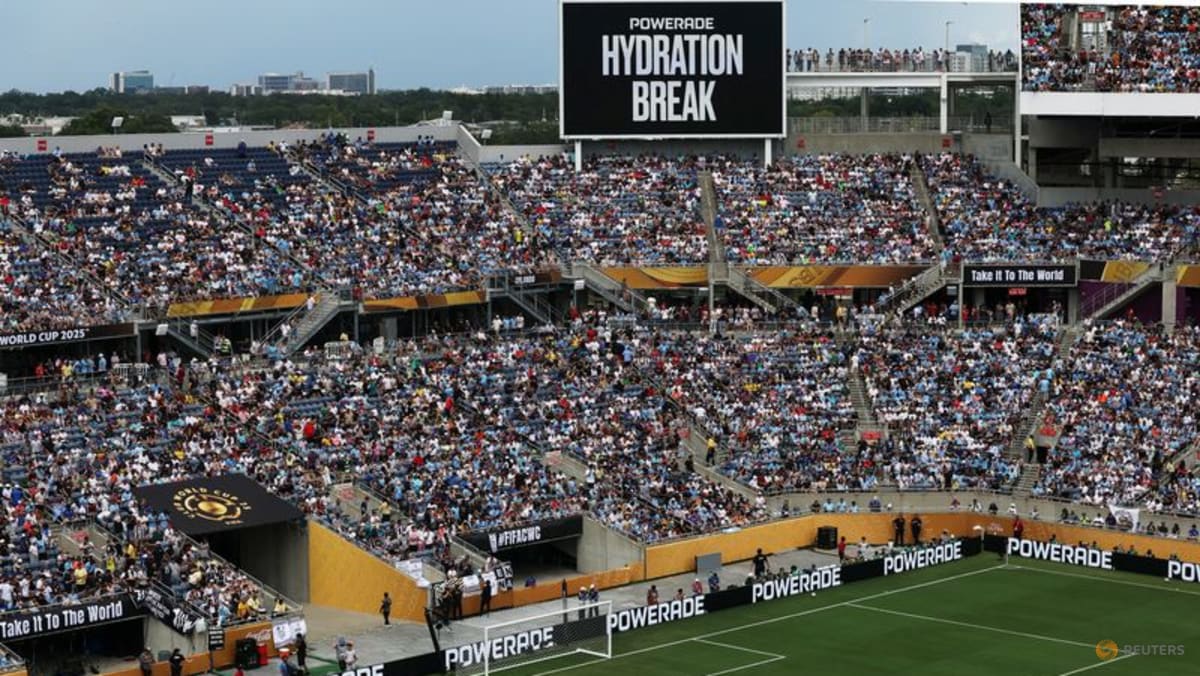
FIFA has mandated three-minute hydration breaks in each half for all 104 matches of the 2026 World Cup in the U.S., Mexico, and Canada, citing player welfare concerns in hot weather. The breaks create new advertising inventory opportunities for broadcasters, with analysts suggesting ads during these breaks could command premium prices similar to Super Bowl advertising. The move reflects American sports broadcasting models but risks fan backlash in Europe, where continuous play is traditionally valued and additional commercials may be seen as excessive.
FIFA's first-ever mandatory hydration breaks at a World Cup represent a significant shift in how the tournament is structured, with three-minute stoppages scheduled in each half across all 104 matches. While the federation frames this as a player-welfare measure responding to hot weather conditions and lessons from the 2025 Club World Cup, industry analysts recognize substantial commercial potential: research suggests advertisers could pay $7-9 million for break-time slots, comparable to Super Bowl rates. The move aligns the World Cup with American sports broadcasting conventions featuring frequent in-game stoppages and commercial breaks, mirroring NFL and NBA models. However, this Americanization of soccer raises concerns among European fans and analysts, who worry about viewer fatigue and the erosion of the sport's traditional continuous-play format. Regulatory constraints also vary by market—the UK's ITV has already announced it will not air advertisements during breaks due to Ofcom restrictions, while other broadcasters' advertising strategies remain unclear.
What's missing
The article does not specify which broadcasters beyond ITV have committed to advertising strategies during water breaks, nor does it provide details on how FIFA consulted with player unions or medical experts in establishing the three-minute duration and frequency of breaks.
What different sources said
- Channel NewsAsiaCenter
World Cup waterbreaks offer lucrative opportunity for broadcasters
Related
Chevron and Argentine Shale Producers to Supply $3 Billion Natural Gas Liquids Project
Chevron and two other major Argentine shale producers are signing contracts this week to supply a natural gas liquids (NGL) project worth $3 billion. The supply agreements effectively guarantee the project will proceed, according to sources familiar with the matter. This development is significant for Argentina's energy sector and Chevron's operations in one of the world's largest shale reserves.

Sweden Donates Gripen Fighter Jets to Ukraine in Major Air Power Upgrade
Sweden has agreed to donate 16 Saab JAS 39 Gripen C/D fighter jets to Ukraine, with Kyiv purchasing 20 additional advanced Gripen E/F models, as part of a deal that could eventually reach 150 aircraft. The Gripen was designed during the Cold War to operate from austere locations and requires minimal ground crew, making it well-suited to Ukraine's operational environment. The acquisition represents a significant enhancement to Ukraine's air combat capabilities against Russian forces.

Military analysts assess potential challenges and risks of U.S. military intervention in Cuba
Military experts and Pentagon insiders are analyzing the potential difficulties and consequences of a possible U.S. military operation against Cuba under the Trump administration's pressure campaign. Cuba's cohesive communist government structure and loyal military differ significantly from Venezuela's fractured system, making regime change more complicated. The analysis highlights risks including humanitarian crises, migration surges, regional geopolitical shifts, and the absence of viable successor leadership.