FIFA Implements Science-Based Grass Management System for 2026 World Cup
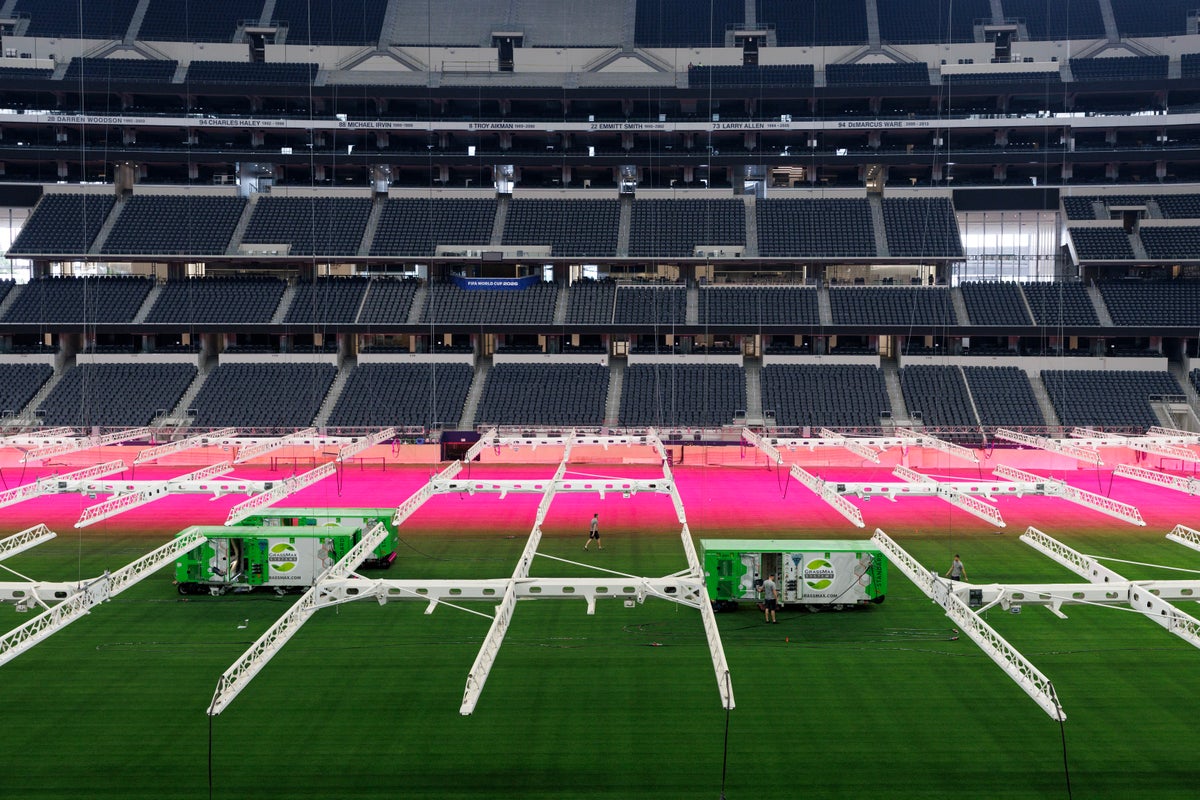
FIFA has hired turfgrass scientists to engineer consistent natural grass surfaces across 16 stadiums in the U.S., Mexico, and Canada for the 2026 World Cup, addressing problems seen at recent tournaments where poor field conditions affected play. The project involves specialized grass varieties, irrigation systems, artificial lighting in roofed venues, and stadium modifications to meet FIFA's exacting standards for ball bounce and player safety. Consistent playing surfaces are critical to competitive fairness in a tournament spanning three countries with vastly different climate and venue conditions.
FIFA has engaged turfgrass scientists John Trey Rogers III and John Sorochan to develop a science-based system ensuring uniform playing conditions across all 2026 World Cup venues, a response to field quality issues observed at the 2024 Copa América and recent warm-up matches. The project addresses the challenge of maintaining natural grass in eight stadiums that typically use artificial turf, including five with roofs that severely limit sunlight. Solutions include selecting appropriate grass species for each climate zone—Bermuda grass for warmer venues, cool-season grasses for cooler areas, and British Isles-native grass for low-light roofed stadiums—supplemented by artificial lighting rigs that lower over the field. Stadium infrastructure modifications have been substantial, with venues like Dallas, Kansas City, and Philadelphia removing seating or widening field areas to accommodate regulation soccer pitch dimensions. The surfaces must meet exacting FIFA standards: draining heavy rainfall while maintaining adequate moisture, remaining firm enough for fast play without becoming hard enough to injure players, and providing consistent ball bounce across all venues.
What different sources said
- Scientific AmericanCenter
How FIFA is engineering natural grass for the 2026 World Cup
Related
Chevron and Argentine Shale Producers to Supply $3 Billion Natural Gas Liquids Project
Chevron and two other major Argentine shale producers are signing contracts this week to supply a natural gas liquids (NGL) project worth $3 billion. The supply agreements effectively guarantee the project will proceed, according to sources familiar with the matter. This development is significant for Argentina's energy sector and Chevron's operations in one of the world's largest shale reserves.

Sweden Donates Gripen Fighter Jets to Ukraine in Major Air Power Upgrade
Sweden has agreed to donate 16 Saab JAS 39 Gripen C/D fighter jets to Ukraine, with Kyiv purchasing 20 additional advanced Gripen E/F models, as part of a deal that could eventually reach 150 aircraft. The Gripen was designed during the Cold War to operate from austere locations and requires minimal ground crew, making it well-suited to Ukraine's operational environment. The acquisition represents a significant enhancement to Ukraine's air combat capabilities against Russian forces.

Military analysts assess potential challenges and risks of U.S. military intervention in Cuba
Military experts and Pentagon insiders are analyzing the potential difficulties and consequences of a possible U.S. military operation against Cuba under the Trump administration's pressure campaign. Cuba's cohesive communist government structure and loyal military differ significantly from Venezuela's fractured system, making regime change more complicated. The analysis highlights risks including humanitarian crises, migration surges, regional geopolitical shifts, and the absence of viable successor leadership.