FDA's GLP-1 Green List Faces Scrutiny After Chinese Manufacturer Caught Relabeling Ingredients
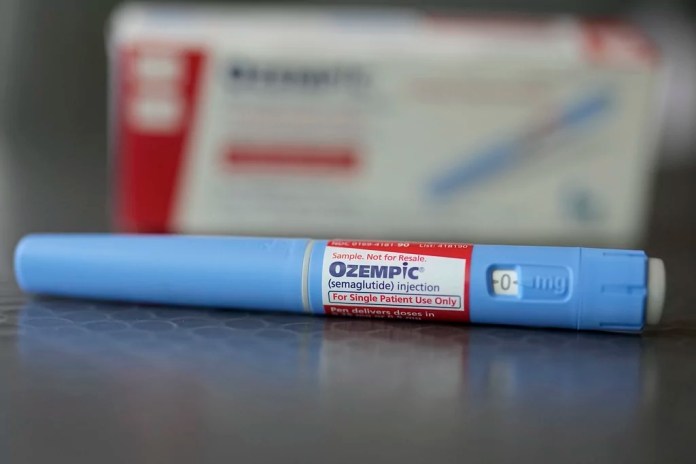
The FDA issued a warning letter to Harbin Jixianglong Biotech, a Chinese GLP-1 ingredient manufacturer on the FDA's Green List, for allegedly sourcing semaglutide from non-approved facilities, relabeling it, and shipping it toward the U.S. market. The Green List was created as a temporary measure during GLP-1 drug shortages, which the FDA has stated are now resolved as of December 2024 and February 2025. The incident raises questions about whether the Green List creates loopholes that foreign suppliers can exploit rather than closing them.
The FDA warned Harbin Jixianglong Biotech, a Chinese manufacturer designated on the agency's GLP-1 active pharmaceutical ingredient (API) Green List, over serious manufacturing and labeling violations. According to FDA findings, the company allegedly purchased semaglutide from facilities not on the Green List, relabeled it as its own product, and shipped it toward the U.S. market. The Green List was established as a temporary measure to identify manufacturers meeting FDA standards during GLP-1 drug shortages. However, the FDA has determined that both the tirzepatide shortage (resolved December 2024) and semaglutide shortage (resolved February 2025) are over. The incident illustrates how the Green List designation, intended as a safety barrier, may instead create incentives for regulatory gamesmanship, as foreign suppliers can use an approved company's status to obscure the origins of their products. Compounded GLP-1 drugs are not FDA-approved and are not reviewed by the agency for safety, effectiveness, or quality before reaching patients.
What's missing
The article does not provide details on: (1) the specific scope and scale of the relabeled semaglutide shipments or how much product may have reached U.S. patients; (2) the FDA's current enforcement actions or timeline for investigation; (3) the regulatory framework and criteria for the Green List's creation and maintenance; (4) responses or statements from the FDA, Harbin Jixianglong Biotech, or other stakeholders; (5) the distinction between the Green List pathway and other regulatory pathways for GLP-1 ingredients.
What different sources said
- Washington ExaminerRight
Shut down the FDA’s failed GLP-1 green list
Related

Multi-Cancer Blood Test Galleri Fails Primary Trial Endpoint
A major clinical trial of Galleri, a blood test designed to detect multiple cancers early, failed to meet its primary goal of reducing late-stage cancer diagnoses when results were announced in February. Multi-cancer early detection (MCED) tests aim to improve survival rates by identifying disease at earlier, more treatable stages. The failure raises questions about the effectiveness of this promising diagnostic approach despite initial scientific enthusiasm.
Study Uses CPAP Data to Measure Social Jet Lag in Sleep Apnea Patients
Researchers analyzed CPAP adherence records from nearly 3,000 obstructive sleep apnea patients to measure social jet lag—the circadian misalignment between work and free days. About 16-21% of patients showed moderate to severe social jet lag, with prevalence highest in younger and middle-aged adults and declining after age 65. The findings suggest CPAP devices could routinely screen for circadian misalignment, potentially identifying patients who need additional behavioral or activity-based interventions.

FDA Updates Alli Label to Warn of Rare but Potentially Fatal Kidney Problems
The FDA has approved updated labeling for Alli, an over-the-counter weight loss pill, to warn of rare risks including acute kidney injury, kidney stones, and oxalate nephropathy. The agency now instructs people with kidney disease history to consult a doctor before use and directs all users to stop taking the drug if they experience symptoms like back pain, blood in urine, or leg swelling. This warning is significant because Alli is the only OTC weight loss medication available in the U.S., and approximately 40 million people have used orlistat (Alli's generic form) since its approval in 1999.