Europe's Energy Storage Capacity Must Expand Tenfold to Meet Climate Goals
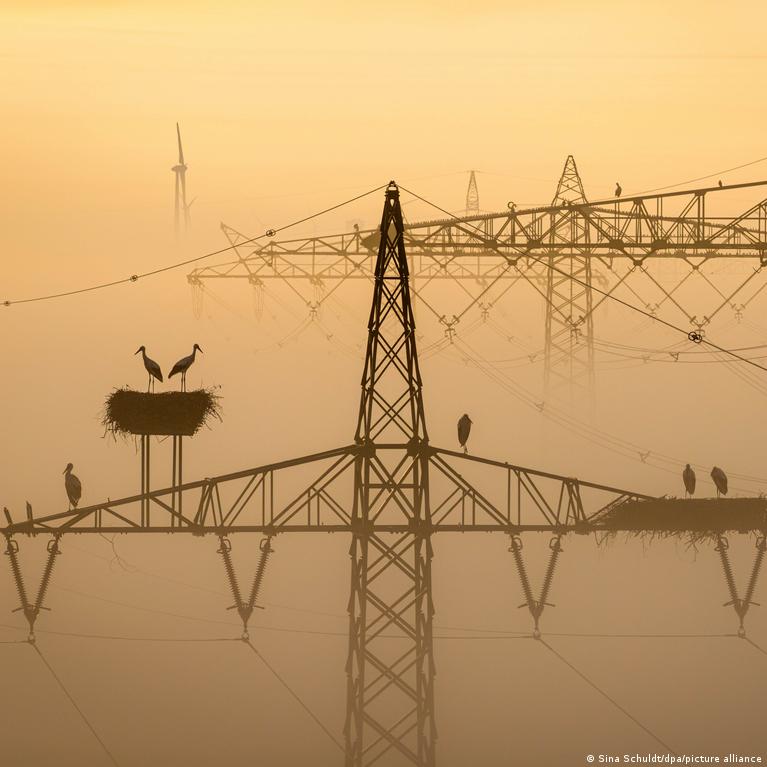
Europe currently has insufficient battery storage capacity to store renewable energy generated during peak production hours, forcing reliance on natural gas plants during evening demand. The EU has about 14 GW of large-scale storage capacity today, with 84 GW more in planning or construction, but needs to reach approximately 750 GW to meet its 2050 climate-neutral target. Expanding storage infrastructure is critical for stabilizing electricity prices, reducing energy imports, and enabling a full transition to renewable energy.
Europe faces a significant energy storage challenge as renewable energy sources like wind and solar generate excess electricity during peak hours, often at prices below zero, while evening demand forces reliance on natural gas plants that drive prices up to six times higher. The European Union currently generates about half its electricity from renewables and has approximately 14 GW of large-scale storage capacity, with an additional 84 GW in planning or construction phases expected online within years. However, to meet the EU's 2050 climate-neutral goal, storage capacity must increase tenfold from current levels to around 750 GW. The rapid expansion is being driven by declining lithium-ion battery costs, which have dropped about 20% annually and are expected to fall by half by 2030 compared to 2022 prices. Experts emphasize that storage infrastructure must be developed alongside renewable generation facilities and grid upgrades to stabilize prices, reduce Europe's €80 billion annual energy import costs, and enable the complete transition away from fossil fuels.
Limitations & open questions
The article does not discuss alternative storage technologies beyond lithium-ion batteries (such as pumped hydro, compressed air, thermal storage, or hydrogen), nor does it address potential environmental or supply chain concerns related to large-scale battery production and lithium mining.
What different sources said
- Deutsche WelleCenter
Europe's energy problem isn't green power — it's storage
Related
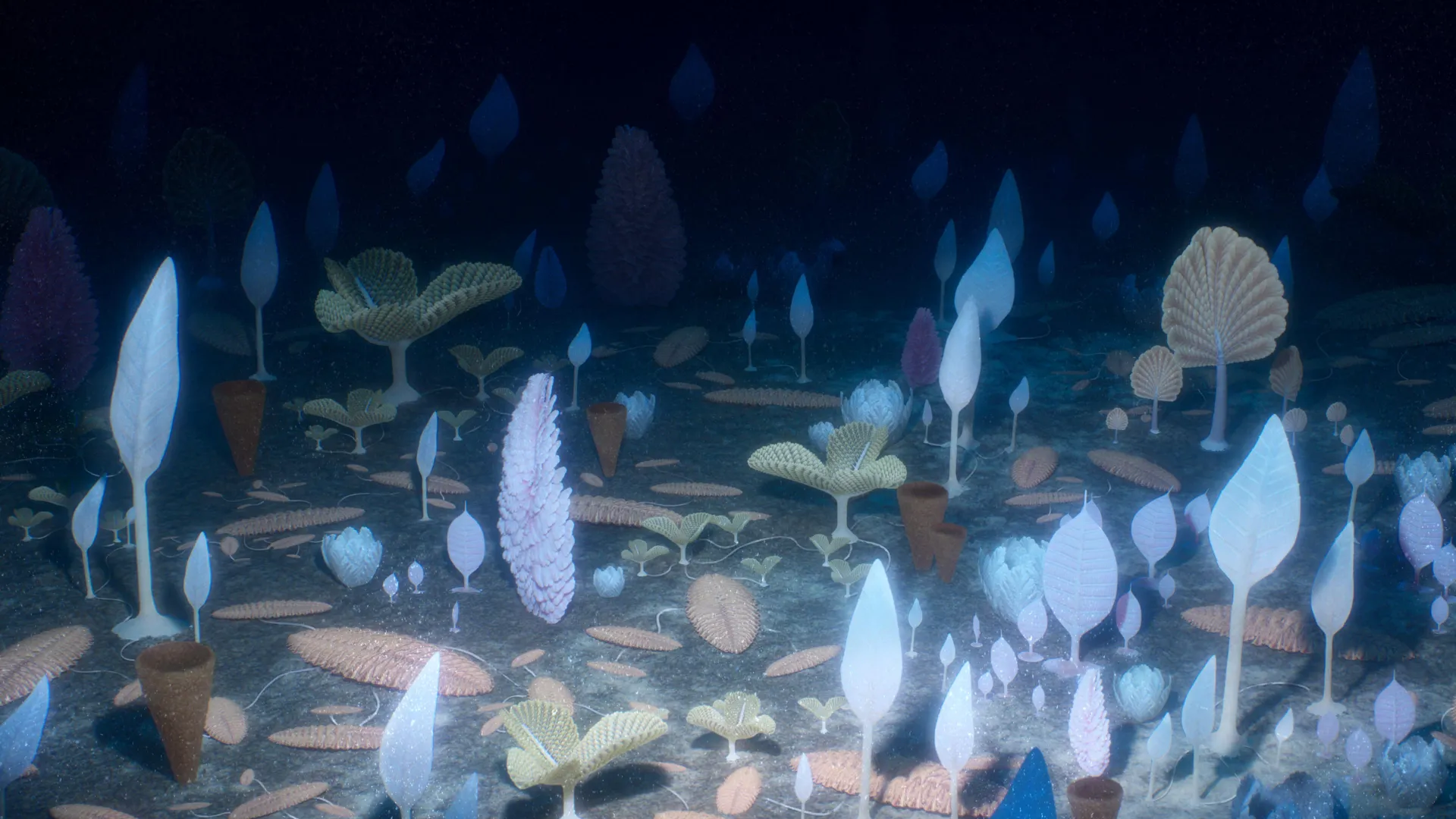
Study suggests asexual reproduction slowed early animal evolution during Ediacaran period
Researchers from the University of Cambridge found that early animals during the Ediacaran period (635-539 million years ago) reproduced asexually through runners, which limited competition and slowed evolutionary diversity. The study used fossil analysis, spatial modeling, and artificial intelligence to examine ancient ecosystems at Mistaken Point in Newfoundland. The findings help explain why animal diversity remained limited for millions of years before a dramatic burst of innovation in the Cambrian period.

UK Science Facilities Face £162m Funding Crisis With Potential Closures
Britain's world-leading science facilities, including the Diamond Light Source and ISIS Neutron and Muon Source, face potential closure or significant cuts due to a £162m funding crisis at the Science and Technology Facilities Council caused by rising electricity costs, staff expenses, and foreign exchange pressures. These facilities serve hundreds of companies and thousands of scientists domestically and internationally, with Diamond producing light 10 billion times brighter than the sun for materials research. Scientists and research leaders warn that short-term funding cuts could cause decades-long damage to the UK's scientific capability and international competitiveness.
Mitochondrial ROS Signaling Drives Avoidance Learning in C. elegans
Researchers discovered that reactive oxygen species (ROS) produced by mitochondria in postsynaptic neurons are necessary and sufficient to drive avoidance learning in C. elegans, using optogenetic stimulation of nociceptive neurons. The study demonstrates that activity-dependent mitochondrial ROS production increases glutamate receptors at synapses and strengthens neural circuits controlling avoidance behavior. This finding reveals a novel molecular mechanism linking neuronal activity to synaptic plasticity and behavioral learning.