EU Migration Pact Takes Effect Amid Enforcement Concerns and Member State Resistance
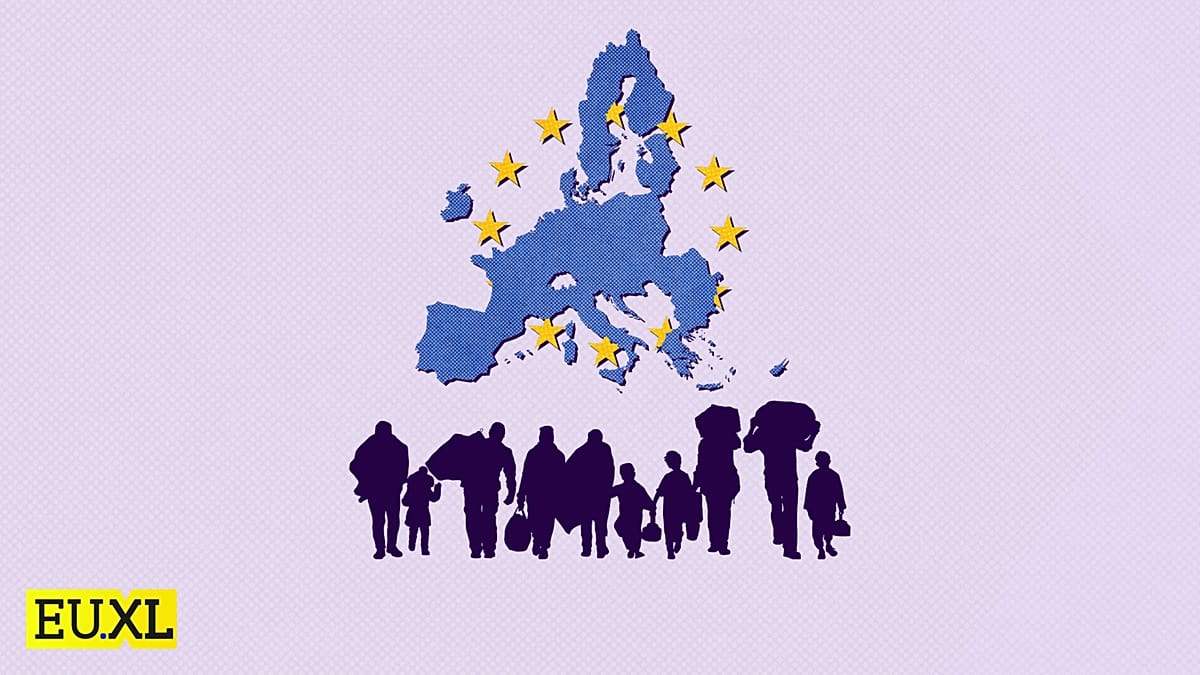
The EU's Pact on Migration and Asylum officially entered into force on June 12, 2026, establishing unified rules across all 27 member states for asylum procedures, border screening, and migrant relocation. Member states have pledged fewer than half the targeted 21,000 relocations, with Hungary and Slovakia committing nothing, while the accompanying Return Regulation faces criticism from civil society groups. The framework's success depends on compliance reviews beginning in July, as enforcement challenges and political resistance already threaten its implementation.
The EU's Pact on Migration and Asylum, signed two years prior, officially entered into force on June 12, 2026, aiming to replace a fragmented system where asylum seekers faced different legal standards depending on their entry point. The pact establishes unified rules covering border screening, asylum procedures, reception conditions, and a solidarity mechanism for relocating asylum seekers between member states. However, implementation faces immediate obstacles: member states have pledged fewer than half the 2026 relocation target of 21,000 asylum seekers, with Hungary and Slovakia declining to participate. Compounding these challenges, the accompanying Return Regulation—one of the EU's strictest migration laws—introduces controversial measures including offshore return hubs, extended detention up to two years, double-entry bans, and removal of appeal suspensive effects. Over 250 civil society organizations have condemned these provisions as legitimizing "offshore prisons and child detention." With only 28 percent of migrants currently complying with deportation orders, the Commission's first compliance review in July will reveal which member states are genuinely implementing the framework.
What different sources said
- EuronewsCenter
EU migration rules kick in, but enforcement is already in doubt
Related

Nigel Farage Returns to Public View After Seven Weeks of Limited Appearances Following £5m Donation Controversy
Nigel Farage, leader of Reform UK, re-emerged publicly on Wednesday after seven weeks of largely avoiding media scrutiny following revelations that he received a £5 million personal gift from a crypto billionaire. The donation has been explained differently in various interviews—as payment for security, a Brexit reward, and other justifications—while Farage has cancelled events and limited public appearances. His return comes as Reform UK loses political ground to the further-right Restore Britain party, and observers suggest his absence has been an attempt to dodge accountability on the donation's origins and propriety.

Meta Employee Detained by Immigration Authorities Following Company Layoffs
A former Meta employee who was laid off on May 20 was recently detained by US immigration authorities, according to internal company communications reviewed by WIRED. The employee, whose nationality and visa status remain unconfirmed, was believed to be detained in El Paso, Texas, near the US-Mexico border. The incident highlights vulnerabilities for international workers on visa sponsorships who lose employment and the broader context of intensified immigration enforcement under the Trump administration.

EPA Replaces Desk Phones with Laptop Calling Software; Union Raises 911 Safety Concerns
The EPA replaced employee desk phones with calling software on laptops, prompting the largest EPA employee union to raise safety concerns about 911 geolocation functionality. The union claims the software does not reliably transmit location data to emergency responders, creating potential risks during medical emergencies. The issue highlights broader workplace safety and emergency response reliability questions in federal agency modernization efforts.