Shasta County, California Approves Ballot Measure Restricting Mail-in Voting Despite Legal Challenges
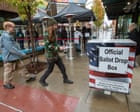
Shasta County voters approved Measure B, which would eliminate mail-in voting, require in-person voting on a single day, mandate photo ID, and implement hand counting of ballots. The measure appears to violate California state law and would affect approximately 85% of county residents who currently vote by mail. State officials and voting rights organizations have signaled legal challenges, citing both legal violations and the absence of documented election fraud problems.
Shasta County in Northern California has approved Measure B, a ballot initiative that would fundamentally restrict voting access by eliminating mail-in voting, requiring all elections to be held in person on a single day, implementing photo ID requirements, and mandating hand counts of ballots. The measure passed despite concerns from the American Civil Liberties Union, the League of Women Voters, and California's attorney general that it violates state election law and would disenfranchise the approximately 85% of county residents who currently vote by mail. The county has been a focal point of election skepticism since 2020, with activists alleging widespread voter fraud despite no evidence of systemic problems, leading to staff turnover in the elections office and the hiring of an election-skeptic registrar. The California attorney general's office stated it is monitoring the measure and prepared to take legal action if necessary. The measure represents another attempt by the county to implement restrictions after the state previously blocked a manual ballot-counting proposal.
What's missing
The article does not provide the specific vote margin or percentage by which Measure B passed, stating only that it 'appears on track' and 'is on track to pass with more than' before the text cuts off. Additionally, no information is provided about the specific provisions of California state law that the measure allegedly violates, or details about the timeline for potential legal challenges.
What different sources said
A conservative California county is trying to kill mail-in voting
Related

India's Government May Delay Mandatory Higher Ethanol Fuel Blending Amid Engine Damage Concerns
India's government is considering postponing a mandatory increase in ethanol blending beyond E20 (20% ethanol) to avoid damaging engines in older vehicles, according to officials and industry experts. Most vehicles on Indian roads were designed for E10 or are only partially E20-compliant, and higher blending could reduce fuel efficiency by 1-2% or more while raising maintenance costs. The government is instead promoting flex-fuel vehicles that can handle multiple ethanol blends, while preparing standards for E22 through E30 options.
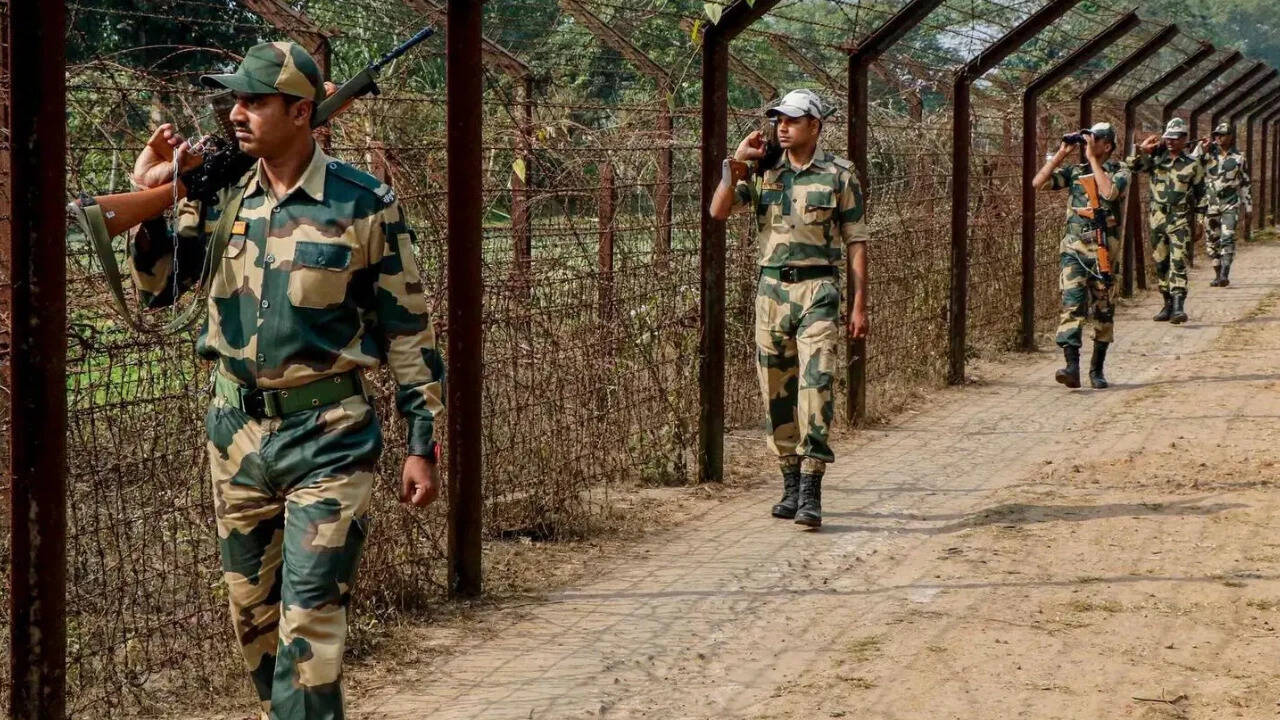
India to Deploy Indigenous Anti-Drone Shield as Part of Smart Border Security Grid
India's home ministry has decided to deploy an indigenously developed anti-drone shield at borders to counter drone-based smuggling of arms, drugs, and ammunition. The shield will be integrated into a broader 'smart border security grid' that includes sensors, smart fencing, and a newly launched Land Port Management System (LPMS) for enhanced surveillance and cargo processing. The initiative aims to address cross-border smuggling operations, particularly in Punjab, while also improving trade efficiency and tourism.
NT Attorney-General Defends Bail Law Reforms Amid Ongoing Violence in Remote Communities
Northern Territory Attorney-General Marie-Clare Boothby is defending bail law reforms introduced after a fatal stabbing in 2024, citing declining crime statistics as evidence of success. The reforms made community protection the paramount consideration in bail decisions, and territory-wide data shows property crime and overall crime rates trending downward. However, recent violent incidents in remote communities and rising sexual assault numbers raise questions about whether the reforms are effectively addressing violence in vulnerable areas.