DR Congo's Ebola Outbreak Reflects Collision of Disease, Conflict, and Informal Economy
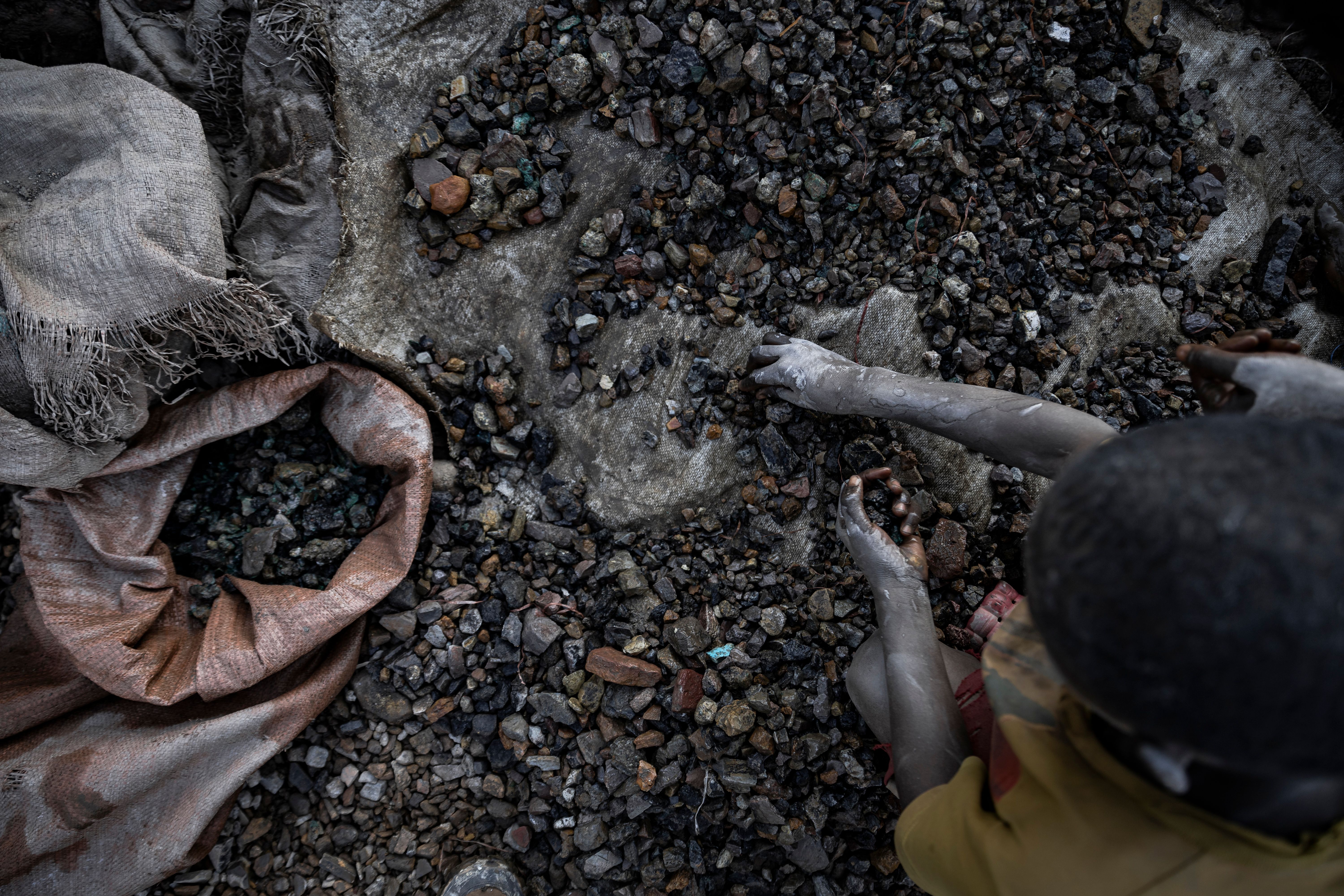
An Ebola outbreak in eastern DR Congo has caused over 200 deaths among an estimated 1,000 suspected cases, with the Bundibugyo strain circulating undetected for weeks before discovery. The outbreak occurs in a region dependent on artisanal mining with porous borders and ongoing military conflict with M23 rebels, complicating containment efforts. The crisis highlights how weak governance, informal economies, and armed conflict create conditions for disease spread and underscore the need for multifaceted solutions including formalization of mining sectors and investment in public health infrastructure.
An Ebola outbreak in eastern DR Congo has resulted in over 200 deaths among approximately 1,000 suspected cases, according to WHO estimates, though the true scale remains unknown. The Bundibugyo strain, for which no vaccine exists, circulated undetected for weeks before identification, raising concerns about spread among informal workers who cross the region's porous borders. The outbreak occurs in an area heavily dependent on artisanal and small-scale mining of gold, tin, tantalum, and tungsten that feed global supply chains, combined with ongoing conflict between Congolese military forces and M23 rebels that weakens government control and complicates relief efforts. Experts characterize the situation as a "catastrophic collision of disease and conflict," with weak state capacity and informal economies enabling rapid transmission. This marks the 17th recorded Ebola outbreak in DR Congo, prompting analysis of systemic solutions including formalizing the mining sector and directing mining revenues toward improving public health infrastructure in remote areas.
What's missing
The article does not specify the timeline of the outbreak (when it began or was detected), the current vaccination or treatment status of confirmed cases, or specific epidemiological data on transmission routes and case demographics.
What different sources said
- SemaforCenter
DR Congo’s Ebola outbreak is a multifaceted crisis
Related
Person dies from rare Murray Valley Encephalitis virus in Western Australia
A person has died after contracting Murray Valley Encephalitis, a rare mosquito-borne virus, while travelling in Western Australia's north, marking the first reported death from the virus in WA this year. The individual was likely exposed in early May in the West Kimberley region, about 2,000 kilometres north of Perth, before being transferred to a Perth hospital where they died. Health authorities are urging residents and tourists to protect themselves from mosquito bites as the region enters its peak tourism season, noting the virus can cause serious brain infection though complications remain rare.

Shigellosis outbreak in Wayanad rises to three confirmed cases; health officials launch investigation
A third student tested positive for shigellosis in Wayanad, Kerala, following an outbreak at Mar Baselios AUP School, bringing confirmed cases to three. The bacterial infection has caused symptoms in 473 people total, with 58 currently hospitalized, prompting health officials to investigate the source and implement stricter sanitation measures. The outbreak highlights concerns about water safety and food hygiene in the region, with authorities conducting well chlorination and inspections of food establishments.

Red-Light Therapy for Hair Loss: Clinical Evidence and Consumer Device Reviews
Wired published a 2026 guide reviewing red-light therapy devices for hair restoration, reporting that clinical studies suggest the treatment can increase blood circulation, reduce inflammation, and support hair follicle growth. Red-light therapy has emerged as an at-home alternative to traditional hair-loss treatments like topical remedies or surgical procedures. The guide matters because hair loss affects millions, and if clinically validated, at-home devices could democratize access to a non-invasive treatment option.