Cold Water Plunging as a Productivity and Wellness Trend: Personal Experience and Scientific Context

A Fortune writer describes her experience with cold water plunging before work and reports feeling more focused and alert afterward. The practice has become a cultural trend among CEOs and celebrities, with emerging research suggesting potential benefits including dopamine release, improved mental clarity, and stress reduction. The trend reflects growing interest in cold water immersion as a wellness tool, though rigorous scientific evidence remains limited.
A Fortune writer recounts her experience taking a cold plunge in 65-degree Atlantic water before a work-from-home day, describing an initial shock followed by heightened alertness and focus. The article positions cold plunging as an emerging wellness trend adopted by high-profile figures and supported by anecdotal reports of increased energy and mental clarity. The piece cites expert perspectives, including sports medicine physician Dr. Dominic King's explanation of cold water's numbing effects and Stanford neurobiology professor Andrew Huberman's claims about dopamine elevation and resilience-building. The National Institutes of Health is noted as advocating for controlled studies on cold water therapy's effects on cardiovascular health, immune function, insulin resistance, and mental health. The article blends personal narrative with scientific commentary to explore why cold plunging has gained cultural traction.
What's missing
The article relies heavily on anecdotal evidence and emerging research without discussing potential risks or contraindications of cold water immersion (e.g., for individuals with cardiovascular conditions, hypertension, or certain medical histories). Additionally, while the NIH is cited as advocating for controlled studies, the article does not clarify the current state of peer-reviewed evidence or acknowledge that many claimed benefits remain scientifically unproven. The distinction between short-term physiological responses (like increased heart rate and adrenaline) and sustained mental health or productivity benefits is not clearly established.
What different sources said
- FortuneCenter
I tried a cold plunge before work, and it was the productivity hack I didn’t know I needed
Related
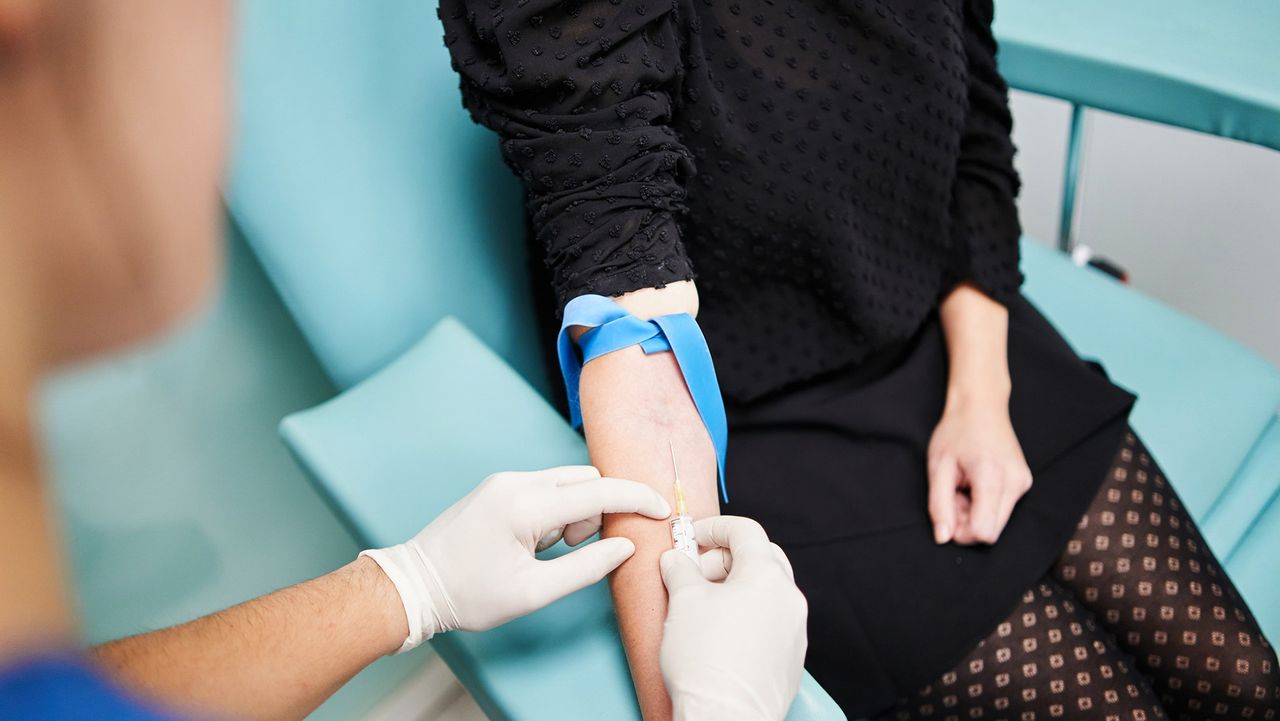
Multi-Cancer Blood Test Galleri Fails Primary Trial Endpoint
A major clinical trial of Galleri, a blood test designed to detect multiple cancers early, failed to meet its primary goal of reducing late-stage cancer diagnoses when results were announced in February. Multi-cancer early detection (MCED) tests aim to improve survival rates by identifying disease at earlier, more treatable stages. The failure raises questions about the effectiveness of this promising diagnostic approach despite initial scientific enthusiasm.
Study Uses CPAP Data to Measure Social Jet Lag in Sleep Apnea Patients
Researchers analyzed CPAP adherence records from nearly 3,000 obstructive sleep apnea patients to measure social jet lag—the circadian misalignment between work and free days. About 16-21% of patients showed moderate to severe social jet lag, with prevalence highest in younger and middle-aged adults and declining after age 65. The findings suggest CPAP devices could routinely screen for circadian misalignment, potentially identifying patients who need additional behavioral or activity-based interventions.

FDA Updates Alli Label to Warn of Rare but Potentially Fatal Kidney Problems
The FDA has approved updated labeling for Alli, an over-the-counter weight loss pill, to warn of rare risks including acute kidney injury, kidney stones, and oxalate nephropathy. The agency now instructs people with kidney disease history to consult a doctor before use and directs all users to stop taking the drug if they experience symptoms like back pain, blood in urine, or leg swelling. This warning is significant because Alli is the only OTC weight loss medication available in the U.S., and approximately 40 million people have used orlistat (Alli's generic form) since its approval in 1999.