Canada faces whey protein shortage as demand surges from GLP-1 drugs and major brands

Canada is experiencing a severe whey protein shortage as demand skyrockets from major food brands and GLP-1 medication users, forcing small businesses to source from the US at 50% higher costs. The shortage stems from whey being a byproduct of cheese production, which is limited by Canada's supply management quota system dating to the 1970s. This matters because protein has become embedded in mainstream food products, and small Canadian food businesses struggle to compete with large corporations for limited supplies.
Canada is facing what market research firm Market Decipher describes as a "once-in-a-generation supply crisis" for whey protein. The shortage has been driven by multiple factors: major brands like Starbucks, Mars, and Snickers have launched high-protein product lines, and demand has surged among women over 35 using GLP-1 medications for weight loss and diabetes treatment, as nutritionists recommend increased protein intake to preserve muscle mass. Whey isolate, historically a cheap byproduct of cheese manufacturing, has become the most sought-after ingredient in the global food industry. Canadian food businesses face particular challenges because whey supply is constrained by the country's supply management system—a quota-based regulatory framework from the 1970s that limits cheese production to protect domestic dairy producers. Small companies like Calgary-based HelloAmino report costs have doubled over recent years and now must source from the US at 50% premiums, while large corporations secure preferential access to limited supplies.
What's missing
The article does not specify the total volume of whey protein Canada currently produces or imports, nor does it provide projections for when supply might stabilize. It also lacks detail on whether the Canadian government is considering policy changes to the supply management system in response to this shortage, or what timeline small businesses face before further price increases occur.
What different sources said
- Global News CanadaCenter
No whey? Why there is a looming shortage of the protein in Canada
Related
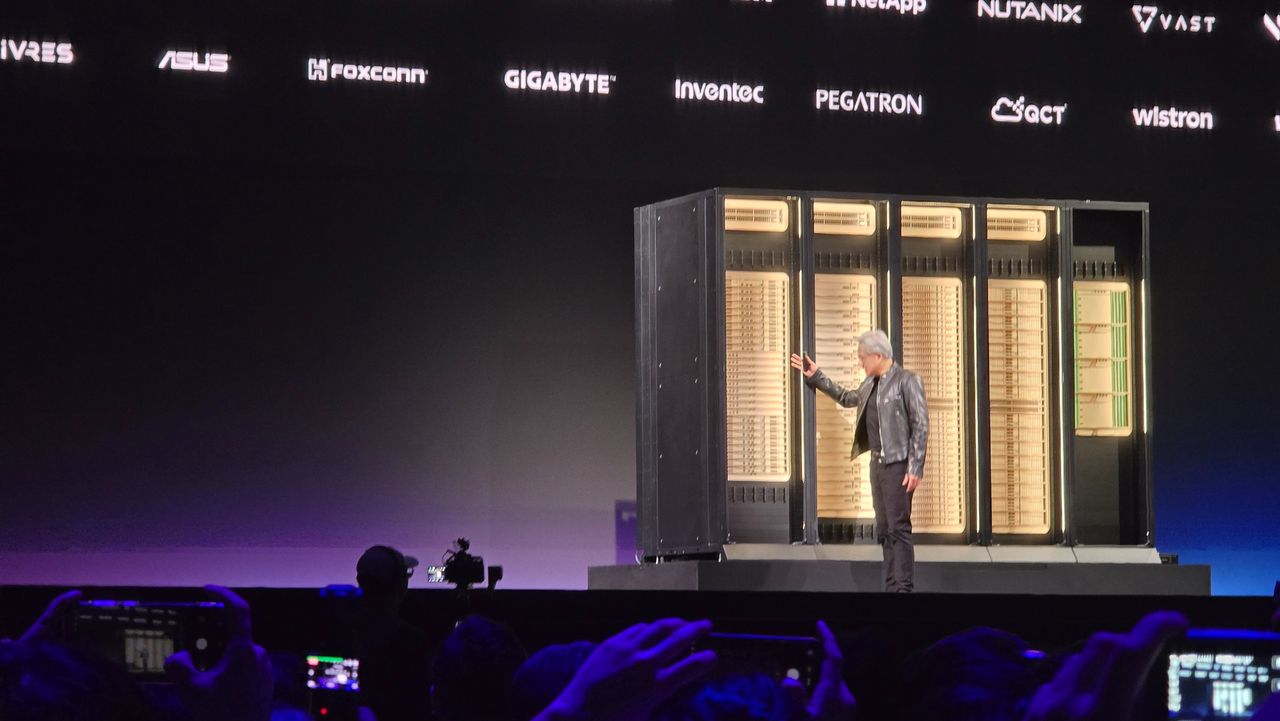
Nvidia's Market Cap Drops $330 Billion Following Broadcom's Weaker-Than-Expected Guidance
Nvidia's stock fell 6% in a single trading session, erasing approximately $330 billion in market capitalization, after rival chipmaker Broadcom issued softer-than-expected guidance for future chip sales. The decline reflects broader investor concerns about AI growth sustainability and was compounded by stronger-than-expected jobs data that reduced expectations for Federal Reserve rate cuts. The market reaction underscores how sensitive high-beta AI and chip stocks are to earnings reports and macroeconomic signals in a sector with increasingly lofty valuations.

BYD Regains China's Top Automaker Position as Global EV Demand Surges
BYD has reclaimed its position as mainland China's largest carmaker after losing the title in Q1 2026, driven by strong international EV sales that surged 76% year-on-year. Rising global oil prices from geopolitical tensions and accelerating worldwide EV adoption fueled the recovery. The development underscores shifting dynamics in the automotive sector as battery-powered vehicles gain market share globally.

Chennai Port to Build Multi-Level Car Parking Facility to Boost Automobile Exports
Chennai Port Authority plans to construct a multi-level car parking facility within port premises at an estimated cost of Rs 400 crore to accommodate growing automobile export demand. The port currently exports one car every 80 seconds and exported over 204,000 units in FY 2025-26, but existing parking space can only hold 4,000-4,500 cars against a needed capacity of 8,000. The project aims to consolidate scattered parking locations, reduce logistics challenges, and support major manufacturers like Hyundai and Kia operating from the Sriperumbudur automotive cluster.