Belgium Rejects U.S. Demand for Congo Travel Ban Ahead of World Cup

Belgium's health minister rejected a U.S. demand to impose entry bans on travelers from the Democratic Republic of the Congo before the World Cup, citing scientific guidance instead. The U.S. sought the restrictions to prevent Ebola spread during the tournament, which begins Thursday in North America. Belgium said it would maintain screening and quarantine protocols rather than implement blanket travel bans.
Belgian Health Minister Frank Vandenbroucke on Wednesday rejected U.S. pressure to impose strict entry restrictions on Congolese travelers ahead of the World Cup, stating that Belgium would follow scientific advice from the European Centre for Disease Prevention and Control rather than unilateral demands. The United States had requested participating countries implement travel bans related to the ongoing Ebola outbreak in the Democratic Republic of the Congo, threatening to deny entry to citizens of countries that refused compliance. Belgium instead emphasized its existing screening procedures at departure points in affected countries and its capacity to quarantine symptomatic arrivals at prepared hospitals. Vandenbroucke also criticized the U.S. response to the crisis, arguing that reduced American development cooperation and medical aid had contributed to the outbreak's severity. The World Health Organization declared a global health emergency over the Ebola outbreak in May, with DRC authorities reporting nearly 600 confirmed cases as of Tuesday.
What different sources said
- UPICenter
Belgium denies U.S. demand for Congo travel ban before World Cup
Related
Victoria expands child health nurse visits as Thriving Kids program launches to replace NDIS for mild-to-moderate cases
Victoria will provide two additional visits with maternal and child health nurses to all children, and is reviewing its existing 10 visits, as part of the Thriving Kids program launching in October to transition children with mild-to-moderate developmental delays off the NDIS. The $874.3 million program, funded jointly by Victoria ($514 million) and the Commonwealth ($360 million), will serve children aged eight and under with mild-to-moderate needs while those with high support needs remain on the NDIS. The initiative aims to make services more accessible and efficient, though the minister acknowledged that support under Thriving Kids will differ from NDIS provision.
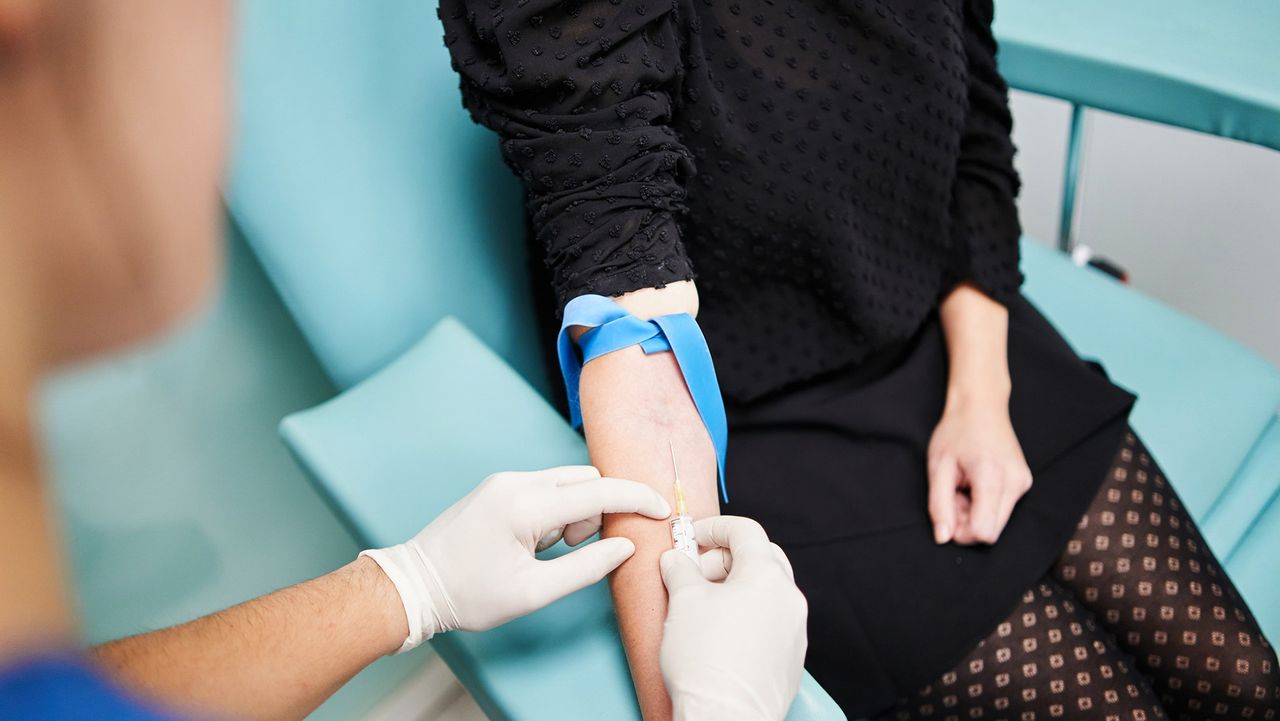
Multi-Cancer Blood Test Galleri Fails Primary Trial Endpoint
A major clinical trial of Galleri, a blood test designed to detect multiple cancers early, failed to meet its primary goal of reducing late-stage cancer diagnoses when results were announced in February. Multi-cancer early detection (MCED) tests aim to improve survival rates by identifying disease at earlier, more treatable stages. The failure raises questions about the effectiveness of this promising diagnostic approach despite initial scientific enthusiasm.
Study Uses CPAP Data to Measure Social Jet Lag in Sleep Apnea Patients
Researchers analyzed CPAP adherence records from nearly 3,000 obstructive sleep apnea patients to measure social jet lag—the circadian misalignment between work and free days. About 16-21% of patients showed moderate to severe social jet lag, with prevalence highest in younger and middle-aged adults and declining after age 65. The findings suggest CPAP devices could routinely screen for circadian misalignment, potentially identifying patients who need additional behavioral or activity-based interventions.