Australian property market stalls as 73,820 homes languish unsold for six months or more
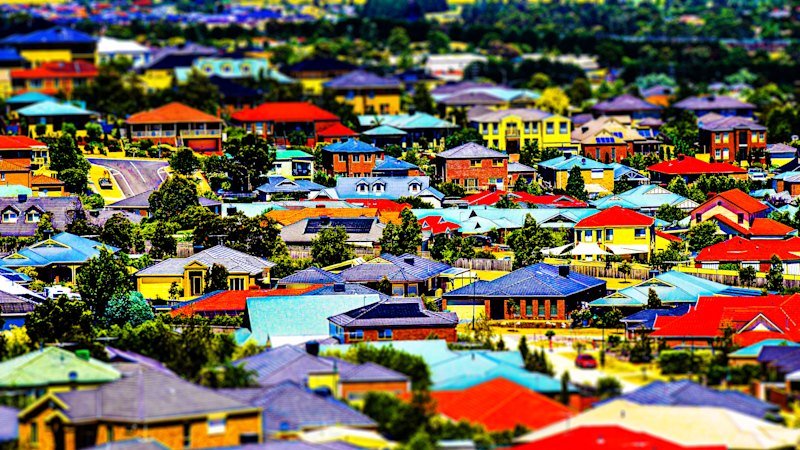
In May 2026, 73,820 Australian properties had been on the market for 180 days or longer, representing a 10.5% monthly increase according to SQM Research data. The rise reflects a combination of sellers maintaining unrealistic price expectations and buyers withdrawing from the market due to rising interest rates and economic uncertainty. The trend signals a weakening property market, with experts warning that overpriced properties will continue to accumulate if sellers do not adjust to market conditions.
Australian real estate data reveals a significant buildup of stale listings, with nearly 29% of all properties nationally on the market for at least six months as of May 2026. The increase was geographically uneven, with Canberra experiencing a 13.4% monthly rise in old listings, Sydney 10.2%, and Melbourne 9.0%, while Perth and Hobart saw more modest increases. SQM Research managing director Louis Christopher attributed the stagnation primarily to sellers refusing to adjust prices in response to buyer feedback, noting that in a declining market, overpriced properties accumulate rather than eventually selling. Contributing factors include rising interest rates, proposed changes to negative gearing and capital gains tax deterring investors, and hesitant buyer behavior. However, year-on-year comparisons show old listings were down 10.8% nationally, reflecting the stimulative effects of first-home-buyer schemes and rate cuts from late 2025. Property advisors recommend sellers focus on appealing to owner-occupiers rather than investors and ensure properties are appropriately marketed and priced for current market conditions.
What different sources said
- Sydney Morning HeraldCenter
More properties languish on the market as buyers get the jitters
Related

Nvidia's Market Cap Drops $330 Billion Following Broadcom's Weaker-Than-Expected Guidance
Nvidia's stock fell 6% in a single trading session, erasing approximately $330 billion in market capitalization, after rival chipmaker Broadcom issued softer-than-expected guidance for future chip sales. The decline reflects broader investor concerns about AI growth sustainability and was compounded by stronger-than-expected jobs data that reduced expectations for Federal Reserve rate cuts. The market reaction underscores how sensitive high-beta AI and chip stocks are to earnings reports and macroeconomic signals in a sector with increasingly lofty valuations.

BYD Regains China's Top Automaker Position as Global EV Demand Surges
BYD has reclaimed its position as mainland China's largest carmaker after losing the title in Q1 2026, driven by strong international EV sales that surged 76% year-on-year. Rising global oil prices from geopolitical tensions and accelerating worldwide EV adoption fueled the recovery. The development underscores shifting dynamics in the automotive sector as battery-powered vehicles gain market share globally.

Chennai Port to Build Multi-Level Car Parking Facility to Boost Automobile Exports
Chennai Port Authority plans to construct a multi-level car parking facility within port premises at an estimated cost of Rs 400 crore to accommodate growing automobile export demand. The port currently exports one car every 80 seconds and exported over 204,000 units in FY 2025-26, but existing parking space can only hold 4,000-4,500 cars against a needed capacity of 8,000. The project aims to consolidate scattered parking locations, reduce logistics challenges, and support major manufacturers like Hyundai and Kia operating from the Sriperumbudur automotive cluster.