Asian Stocks Expected to Decline Following Volatile US Trading Session
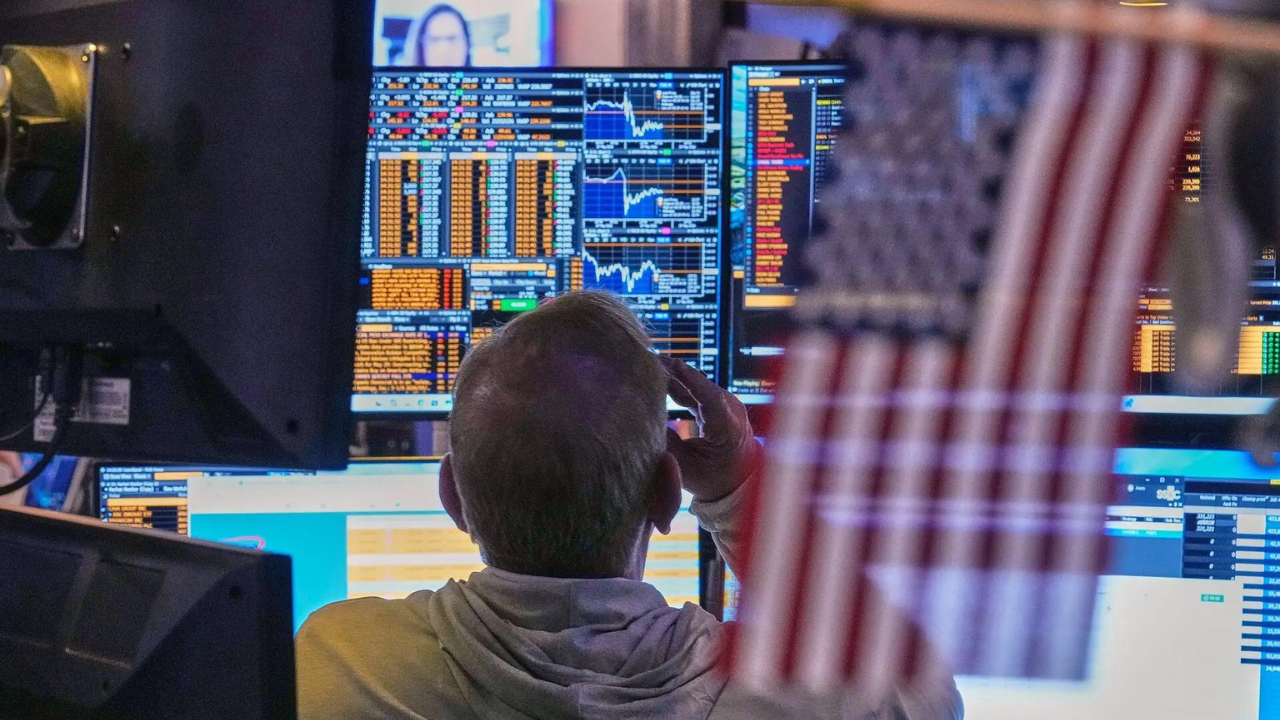
Global equity markets suffered a severe multi-day selloff beginning in early June 2026, driven by a sharp decline in AI and technology stocks and rising oil prices triggered by renewed Iran-Israel military exchanges. The tech rout was initially sparked by Broadcom missing revenue estimates, erasing roughly $1.8 trillion in S&P 500 market cap, while simultaneous Iran-Israel strikes pushed Brent crude above $97 a barrel and stoked inflation fears. The convergence of AI valuation concerns, higher-for-longer interest rate expectations, and geopolitical risk has created one of the most volatile stretches for global markets since late 2025.
A confluence of shocks rattled global financial markets over the week of June 8–11, 2026. The selloff began on Wall Street after Broadcom's fiscal Q2 revenue missed estimates, triggering a cascade that sent the VanEck Semiconductor ETF down over 9% in a single session and wiped approximately $1.8 trillion from S&P 500 market capitalization. Asian markets bore the brunt of the initial shock: South Korea's Kospi plunged more than 8% on Monday, triggering a circuit-breaker halt for the third time this year, with Samsung Electronics and SK Hynix — which together comprise over 40% of the index — falling roughly 10% each; Japan's Nikkei dropped 4.5%. Compounding the tech-driven selloff, Israel and Iran exchanged strikes for the first time since a ceasefire was agreed in April, sending Brent crude surging above $97 a barrel and amplifying inflation concerns already elevated by a strong U.S. jobs report that raised the probability of a Federal Reserve rate hike. By Wednesday, U.S. CPI data confirmed annual inflation had risen to 4.2% in May — the highest since April 2023 — driven largely by energy costs, cementing market expectations of at least one Fed rate hike before year-end and prompting the Bank of Japan to move closer to its own rate increase. Volatility persisted through the week, with the Nasdaq swinging sharply between gains and losses on successive sessions, while individual stocks like Micron Technology — which had surged roughly 700–850% over the prior year per market performance data — saw extreme intraday reversals, underscoring investor uncertainty about whether AI-linked valuations had run too far ahead of fundamentals.
Data: S&P Capital IQ / Semafor
What's missing
Sources do not clearly specify the precise trigger or identity of the 'unidentified big tech customer' whose cancellation of a Crusoe Energy data center project contributed to Tuesday's renewed tech selloff, a detail that could be material to assessing the depth of AI infrastructure demand concerns.
How coverage differed
Most outlets framed the selloff as a dual shock of AI valuation concerns and Middle East escalation, but CNBC and Semafor placed relatively greater emphasis on the AI trade's resilience and buying opportunities — with Semafor quoting Morgan Stanley calling the correction 'healthy' and Nvidia's CEO calling it a buying opportunity — while The Guardian and The Motley Fool adopted a more cautionary tone, highlighting mounting warning signs and the risk of sustained inflation from the Iran conflict.
What different sources said
- Yahoo FinanceCenter
Chip Testing Stock Sees More Red, Yet Wall Street Has High Profit Hopes
- Yahoo FinanceCenter
Intel Is Joining Hands With Hitachi to Bring Physical AI to Life. It Needs to Bring the INTC Stock Valuation Down, Too.
- Yahoo FinanceCenter
Are Big Stock Offerings Behind Tuesday’s Tech Selloff?
- BloombergCenter
Hedge Funds Are Split Over How to Trade This AI-Fueled Market
- VentureBeatCenter
What AI benchmarks miss about real-world performance
- The Motley FoolCenter
Stock Market Today, June 10: Super Micro Computer, Nvidia, Micron Fall as Risk-Off Mood Intensifies
- Yahoo FinanceCenter
GM Wants a Piece of the AI Power Boom. The Stock Isn’t Getting a Lift.
- CNBCCenter
Eaton moves one step closer to becoming a cleaner bet on the AI boom
- Moneycontrol.comCenter
Nifty IT worst sectoral loser, Infosys, HCL Tech drag as AI fears deepen; Anthropic launch adds pressure
- UpstoxCenter
TCS, Infosys, Tech Mahindra, other IT shares fall amid AI stocks sell-off on Wall Street
- MarketWatchCenter
Intel’s stock could push even higher thanks to this subtle dynamic, BofA says
- ForbesCenter
Warren’s Warning: Is The AI Boom America’s Next Financial Crisis?
- FortuneCenter
Wall Street dumped nearly $1 trillion in tech stocks by midday—then clawed it back and bought peanut butter and paint
- ReutersCenter
Morning Bid: Tech and war jitters sap confidence
- Times of IsraelCenter
Canadian payment firm said to discuss buying Israeli-founded Payoneer for $2.7 billion
- The EconomistCenter
How artificial intelligence got better at building itself
- Channel NewsAsiaCenter
Asian stocks slide, oil gains as Middle East tensions escalate
- EuronewsCenter
Tech sell-off deepens as oil prices rise on renewed Iran tensions
- The Guardian USLeft
Asian stocks fall as US and Iran exchange fire – business live
- NDTV ProfitCenter
Stock Market Highlights: Nifty Ends Lower For Second Day; Sensex Snaps Two-Day Gain Amid Volatile Session
- arXiv cs.LGCenter
Energy Use of AI Inference, Efficiency Pathways, and Test-Time Scaling
- South China Morning PostCenter
China leads US in everyday AI apps but firms are overvalued, experts say
- 24/7 Wall St.Center
Wall Street Just Put a Monster Target on Micron. Is the Stock Still Too Cheap?
- The RegisterCenter
OpenAI could go from AI pioneer to AI's BlackBerry, says Forrester
- Times of IndiaCenter
US stocks today: Wall Street mixed as tech stocks slide, Iran tensions weigh on sentiment
- AP NewsCenter
More drops for tech stocks weigh on Wall Street
- Business InsiderLeft
Tech stocks are getting crushed again after chipmaker comeback sputters
- BBCCenter
Stock market jitters remain amid tech fears and renewed Middle East attacks
- UPICenter
Seoul shares again dip over 4 pct amid U.S.-Iran tensions, tech sell-off; won down
- TechCrunchCenter
Can tech companies learn to love cheaper AI models?
- SemaforCenter
US stocks increasingly rest on AI pillar
- Global News CanadaCenter
AI tokens are catching some companies by surprise — and spurring big bills
- TechRadarCenter
'I think these people are just wrong': Amazon founder Jeff Bezos says he believes AI will bring in “multiple golden ages”, and actually create new jobs to replace those lost to the tech
Related

SpaceX IPO Makes Elon Musk World's First Trillionaire as Shares Surge 19% on Debut
SpaceX shares closed up 19% on their first trading day, pushing Elon Musk's net worth to approximately $1.11 trillion and making him the first individual in history to cross the trillion-dollar threshold. The company raised $75 billion at an IPO price of $135 per share, with shares closing near $161, giving SpaceX a market capitalization of roughly $2.1 trillion despite the company reporting a net loss of $4.94 billion in 2025. The milestone has drawn both investor enthusiasm and sharp criticism over Musk's social media conduct and concerns that the IPO's structure exploits passive index fund mechanics to extract wealth from ordinary retirement savers.
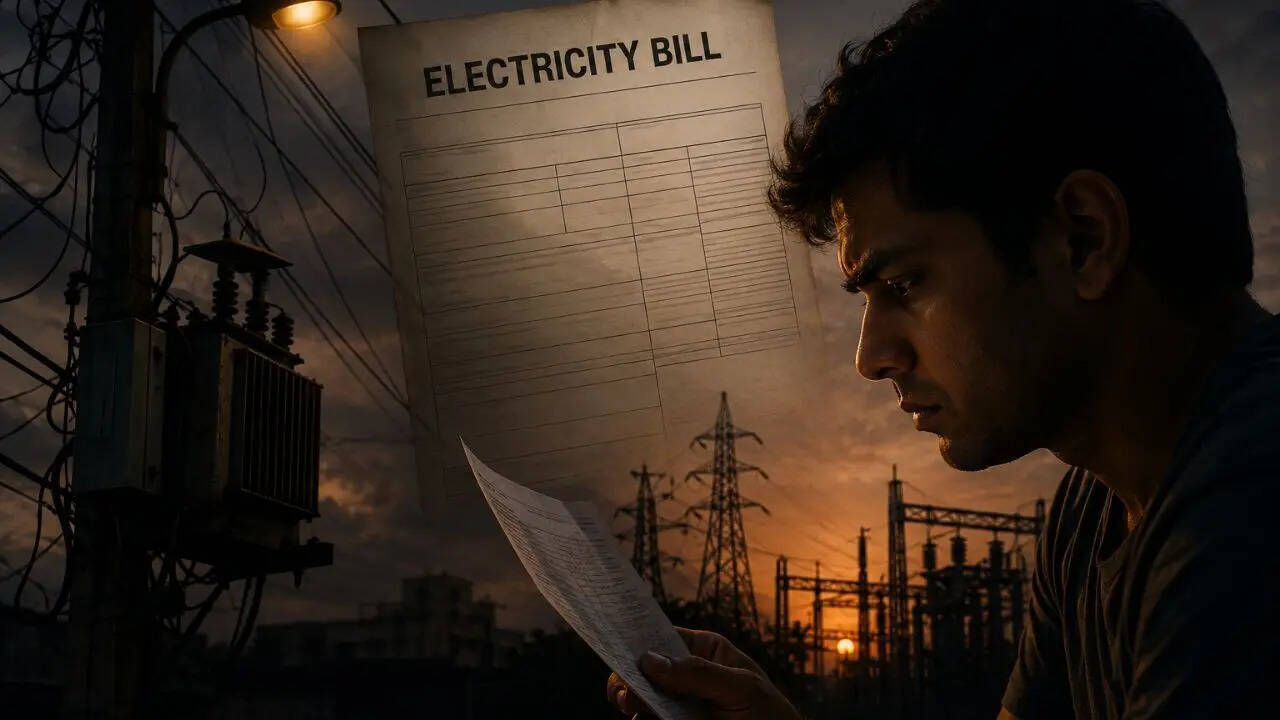
Delhi Power Bills to Rise for Some Consumers as Regulator Approves Higher Electricity Surcharge
Delhi's electricity regulator DERC has approved increased Power Purchase Adjustment Charges (PPAC) for distribution companies, raising bills for consumers in south, east, and central Delhi from July 2026. The hike follows a sharp rise in power procurement costs in April 2026, driven by higher summer demand and elevated fuel prices. The change also marks a structural shift from quarterly to monthly PPAC revisions, making electricity bills more responsive to real-time cost fluctuations.

SEC Proposes Repealing Rule 611 and Rule 610(e) of Regulation NMS
The Securities and Exchange Commission proposed on June 11, 2026, to rescind Rule 611 and Rule 610(e) of Regulation NMS, which govern trade-through protections and locking/crossing quotations in equity markets. Rule 611, in place for roughly two decades, requires trades to be executed at the best available price across exchanges. The proposal could reshape equity market structure and has implications for emerging areas such as tokenized stocks.