Asian Central Banks Intensify Efforts to Combat Offshore Currency Speculation
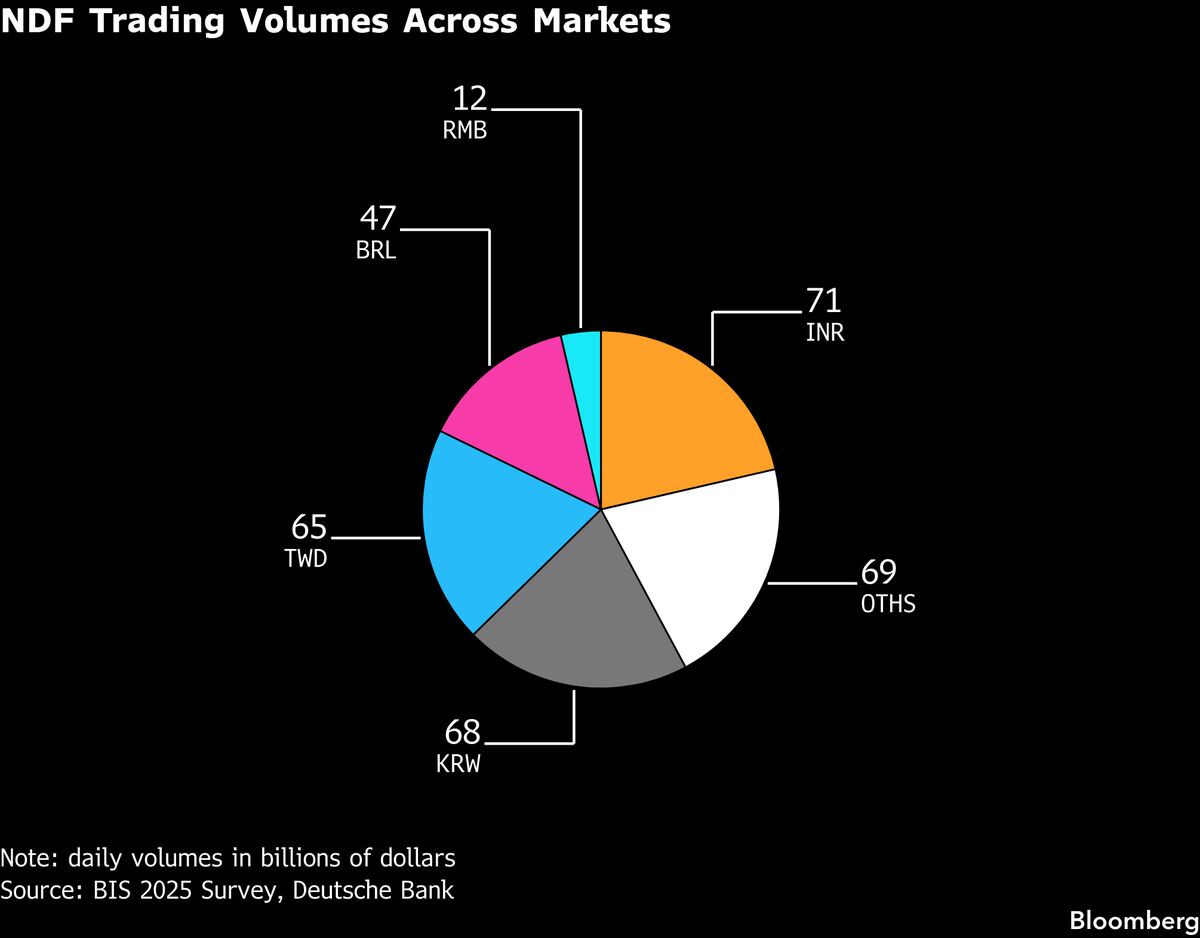
Central banks and finance ministries across Asia, including South Korea, India, and the Philippines, are stepping up regulatory measures to combat offshore forex speculation pressuring their currencies. The moves come amid a confluence of high oil prices, foreign capital outflows, and a strengthening US dollar. The coordinated regional pushback signals growing concern that currency volatility originating in offshore markets is outpacing the reach of traditional domestic monetary tools.
Asian policymakers are escalating efforts to rein in offshore foreign exchange speculation that is contributing to currency weakness across the region. South Korea's finance ministry announced it will increase oversight of offshore currency derivatives, while the Philippines has directed banks to restrict non-deliverable forward contracts to transactions with genuine economic purposes. India has tightened limits on banks' net open positions to $100 million and has been observed intervening in markets just before onshore trading sessions open to cushion pressure on the rupee. The measures reflect a shared challenge: currency pressures increasingly originate in offshore derivative markets that are harder for domestic regulators to control. A combination of elevated global oil prices, a strong US dollar, and sustained foreign fund outflows has amplified stress on regional currencies. The simultaneous policy responses across multiple countries suggest a broader regional recognition that offshore speculation has become a significant driver of exchange rate instability.
What's missing
The articles do not specify the scale of offshore derivative volumes relative to onshore markets, nor do they address whether these regulatory measures have historical precedent in the region or how effective similar past interventions have been.
What different sources said
- The Japan TimesCenter
Asia’s currency fight moves offshore as central banks push back
- BloombergCenter
Asia’s Currency Fight Moves Offshore as Central Banks Push Back
Related

SpaceX IPO Makes Elon Musk World's First Trillionaire as Shares Surge 19% on Debut
SpaceX shares closed up 19% on their first trading day, pushing Elon Musk's net worth to approximately $1.11 trillion and making him the first individual in history to cross the trillion-dollar threshold. The company raised $75 billion at an IPO price of $135 per share, with shares closing near $161, giving SpaceX a market capitalization of roughly $2.1 trillion despite the company reporting a net loss of $4.94 billion in 2025. The milestone has drawn both investor enthusiasm and sharp criticism over Musk's social media conduct and concerns that the IPO's structure exploits passive index fund mechanics to extract wealth from ordinary retirement savers.

Delhi Power Bills to Rise for Some Consumers as Regulator Approves Higher Electricity Surcharge
Delhi's electricity regulator DERC has approved increased Power Purchase Adjustment Charges (PPAC) for distribution companies, raising bills for consumers in south, east, and central Delhi from July 2026. The hike follows a sharp rise in power procurement costs in April 2026, driven by higher summer demand and elevated fuel prices. The change also marks a structural shift from quarterly to monthly PPAC revisions, making electricity bills more responsive to real-time cost fluctuations.

SEC Proposes Repealing Rule 611 and Rule 610(e) of Regulation NMS
The Securities and Exchange Commission proposed on June 11, 2026, to rescind Rule 611 and Rule 610(e) of Regulation NMS, which govern trade-through protections and locking/crossing quotations in equity markets. Rule 611, in place for roughly two decades, requires trades to be executed at the best available price across exchanges. The proposal could reshape equity market structure and has implications for emerging areas such as tokenized stocks.