Apple Intelligence Gains Generative Image Creation and Editing Capabilities at WWDC 2026
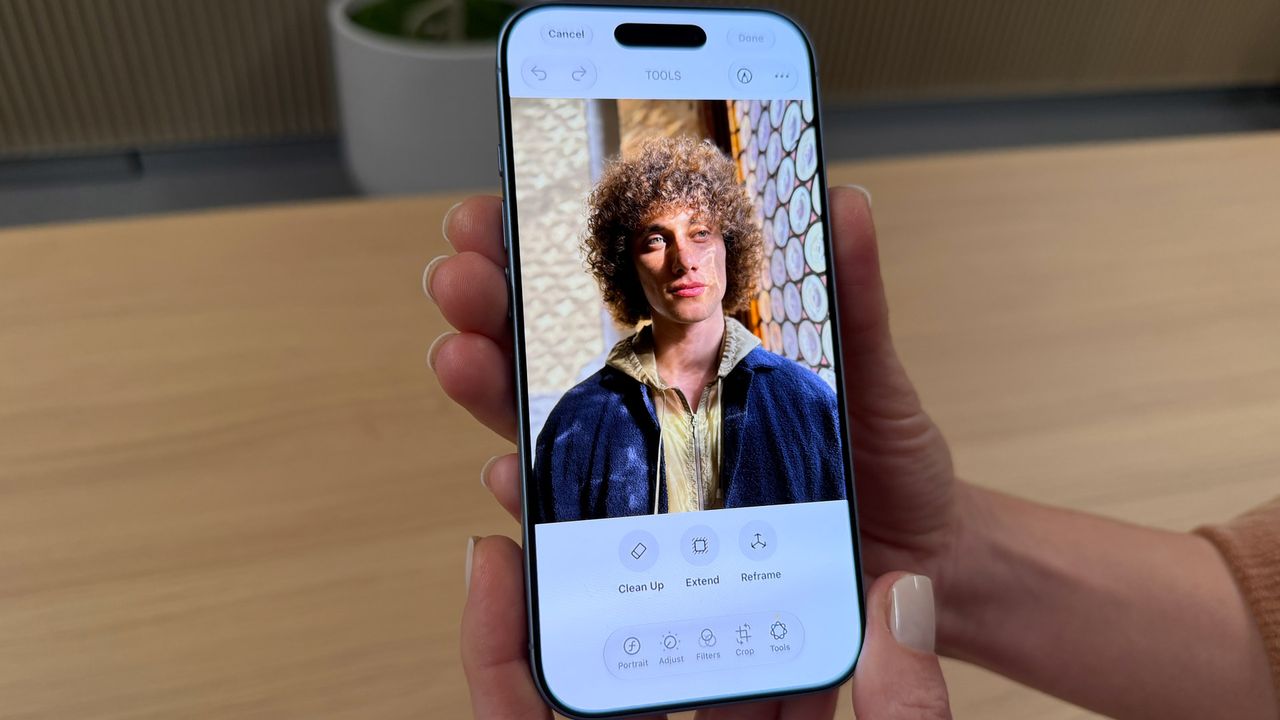
Apple unveiled enhanced image editing and creation tools in Apple Intelligence at WWDC 2026, including the ability to generate missing elements in photos and create photorealistic images. The new features incorporate Google's generative models and represent a significant shift toward AI-powered image manipulation for Apple. The development raises questions about image authenticity and Apple's historical positioning around photographic integrity.
At WWDC 2026, Apple demonstrated new generative image capabilities within Apple Intelligence, marking a departure from the company's previously cautious approach to AI. The enhanced tools include a more powerful cleanup feature that can infer and create missing elements (such as generating a sock on an obscured foot), spatial reframing that allows subtle repositioning of subjects and backgrounds, background expansion similar to Adobe Firefly, and Image Playground's ability to generate photorealistic images from prompts. These capabilities are powered by models developed in cooperation with Google, incorporating Google's generative technology with Apple's implementation. The demonstration showed practical applications like creating promotional materials, though the reviewer noted the philosophical tension between Apple's historical emphasis on photographic authenticity and its new embrace of generative image creation.
What's missing
The article does not provide information about Apple's official policies or guidelines for disclosure when images have been altered or generated using these tools, nor does it discuss potential regulatory or ethical frameworks Apple may have established for their use.
What different sources said
- TechRadarCenter
Congratulations, Apple Intelligence can now effectively generate fake images just like all the other AI and I hope you're happy
Related

Blacksmith CI Service Charges $1,081 to User on Free Trial Without Credit Card on File
A developer team using Blacksmith, a GitHub Actions alternative, received a $1,081 invoice after exceeding free tier limits without having provided a credit card. The company's free trial continued accruing charges rather than stopping service, contrary to typical SaaS conventions. The incident raises questions about whether such billing practices are legally permissible and whether they align with user expectations.

Apple Testing Camera-Equipped AirPods for AI-Enhanced Siri, But Privacy Concerns May Delay Launch
Apple has designed AirPods with built-in cameras to give Siri visual context for user requests and is in late-stage testing with employees, according to Bloomberg reporting. The cameras would enable features like landmark-based navigation, food identification, and smarter contextual assistance, though they would not record photos or video like smart glasses. However, Wired reports Apple may delay the product due to insufficient AI capabilities and executive concerns about privacy risks without compelling use cases.

AI Companies Adopt Serif Fonts to Signal Trustworthiness and Human Touch
AI companies like Claude, Perplexity, and Runway are increasingly using serif fonts in their branding and user interfaces, a shift designers attribute to efforts to make artificial intelligence appear more human and trustworthy. Serif typefaces, historically associated with print media, books, and authority, contrast with the cleaner sans-serif fonts often perceived as computer-like and cold. The trend reflects broader public skepticism about AI and companies' attempts to build confidence in their products through design choices that evoke human craftsmanship and reliability.