Apple Delays Siri AI Launch in EU Over Digital Markets Act Compliance Dispute
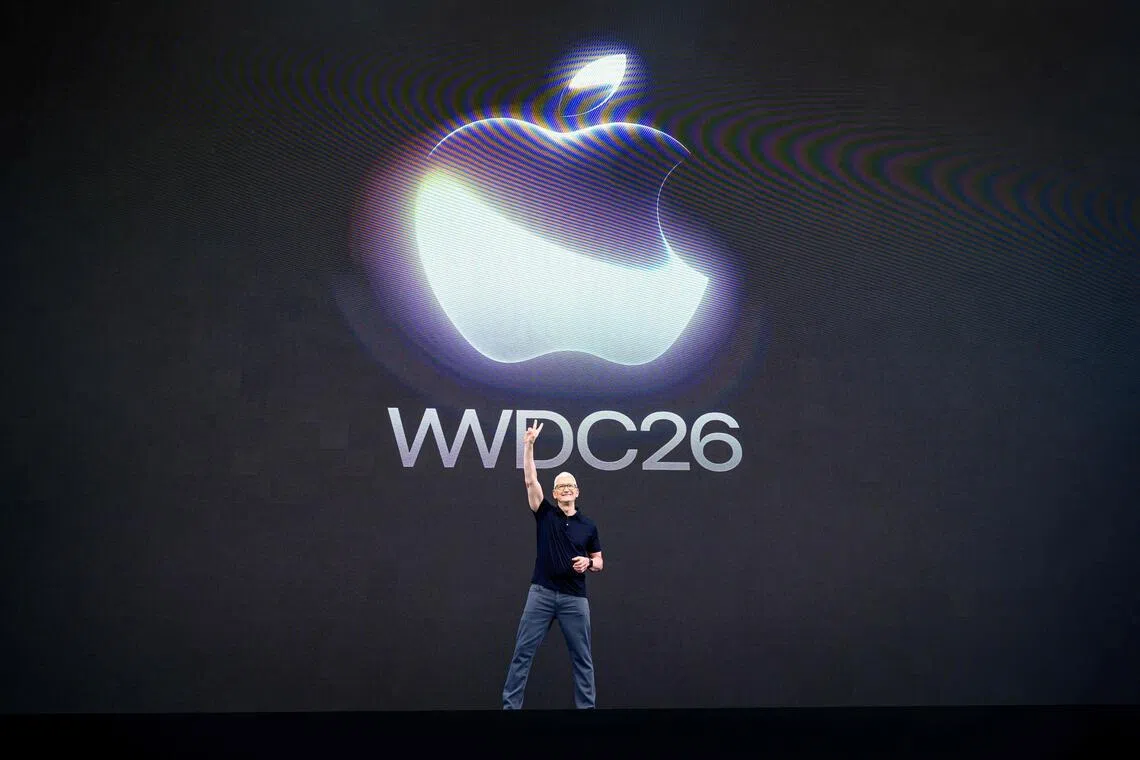
Apple announced on June 8 that it will not launch its redesigned Siri AI assistant in the European Union as part of iOS 27 and iPadOS 27, citing regulatory disagreements with the European Commission. The dispute centers on the EU's Digital Markets Act (DMA), which Apple says requires it to give virtual assistants direct access to private user data without adequate privacy protections. The delay represents another major clash between Apple and EU regulators over tech regulation, though the company says it will continue engaging with authorities to find a path forward.
Apple announced it will withhold its newly redesigned Siri AI from EU users, marking a significant standoff with European regulators over the Digital Markets Act. The company proposed an EU-specific solution it claims would comply with the DMA while protecting user privacy by limiting data access, but the European Commission rejected all suggestions over several months. Apple's senior vice-president of software engineering, Craig Federighi, stated the company views the regulators' interpretation as "extreme," arguing it would require exposing users' private data without essential protections. The European Commission countered that nothing in the DMA prohibits Apple from introducing the product, and that the decision not to launch is Apple's alone. The redesigned Siri, unveiled on June 8, can answer questions by accessing information on users' screens, messages, emails, and photos. The feature will be available to developers for testing and to users in other regions later in 2026, but will not come to EU iPhones, iPads, or Apple Watches. This conflict is the latest in a series of disputes between Apple and EU authorities over DMA compliance, including disagreements over app store payments and alternative app marketplaces.
What different sources said
- The Straits TimesCenter
Apple delays Siri AI for iPhone users in the EU, says regulators refusing to engage
Related
Nucleus: A Lightweight, Security-Hardened Container Runtime for Nix
A developer has released Nucleus, a minimalist container runtime designed for Linux that uses kernel primitives to provide isolated execution environments with significantly lower overhead than traditional runtimes like Docker. The tool is built around Nix and NixOS, offering three operating modes: agent mode for AI workloads, strict agent mode for ephemeral sandboxes, and production mode for long-running services. Nucleus matters because it demonstrates an alternative approach to containerization that prioritizes declarative configuration, reproducibility, and performance—achieving 12ms cold starts versus Docker's ~500ms.

Seattle Enacts Year-Long Moratorium on New AI Datacenters
Seattle's city council voted unanimously Tuesday to impose a year-long ban on construction of new datacenters in the city. The moratorium reflects growing concerns about the energy consumption of AI infrastructure, particularly as major tech companies expand their operations. The move makes Seattle the largest U.S. city to implement such a restriction, signaling potential policy shifts in major tech hubs.

Marc Lore's Wonder Robots Produce 500 Bowls Per Hour, Vastly Outpacing Human Workers
Marc Lore's food-tech startup Wonder has deployed automated bowl-making machines that can produce 500 salads and bowls per hour, compared to 30-45 bowls made by a human worker in the same timeframe. Wonder, which owns 26 restaurant brands and acquired GrubHub, uses vertically integrated automation to reduce costs and operate with minimal staff. The technology represents a significant shift in food service labor efficiency and Lore's strategy to scale restaurant operations in underserved markets.