Marc Lore's Wonder Robots Produce 500 Bowls Per Hour, Vastly Outpacing Human Workers
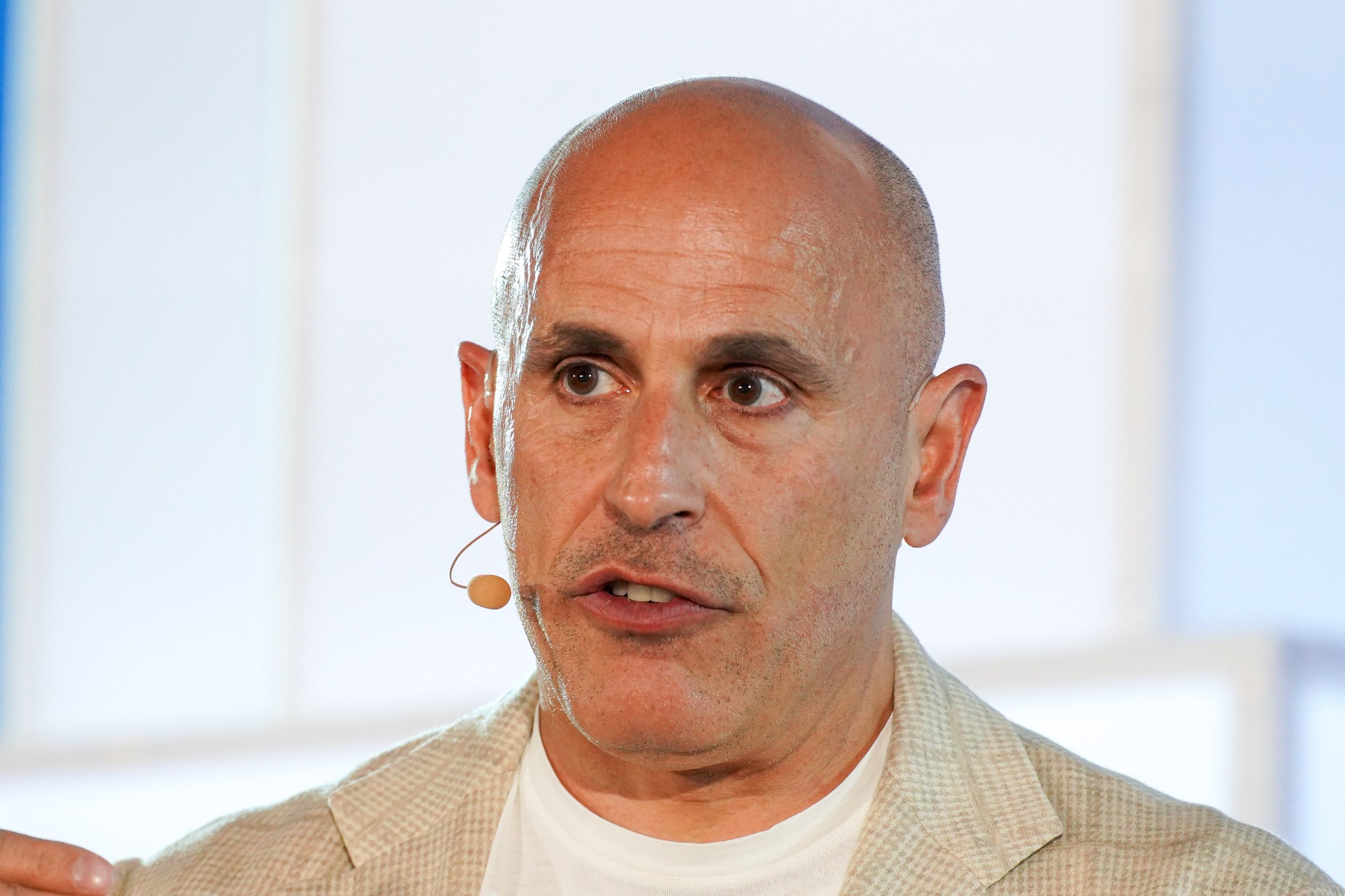
Marc Lore's food-tech startup Wonder has deployed automated bowl-making machines that can produce 500 salads and bowls per hour, compared to 30-45 bowls made by a human worker in the same timeframe. Wonder, which owns 26 restaurant brands and acquired GrubHub, uses vertically integrated automation to reduce costs and operate with minimal staff. The technology represents a significant shift in food service labor efficiency and Lore's strategy to scale restaurant operations in underserved markets.
Marc Lore, the entrepreneur behind Wonder, demonstrated at Fortune's Brainstorm Tech conference that automated bowl-making machines can produce 500 customized bowls per hour with zero errors, compared to human workers who produce 30-45 bowls hourly. The technology, acquired from Sweetgreen, uses a turntable system where ingredients drop into place based on online orders and customer macronutrient specifications. Wonder operates as a vertically integrated platform controlling 26 restaurant brands, their kitchens, and delivery through its GrubHub acquisition, allowing it to serve smaller markets and operate late-night with just three staff members. Lore plans to expand automation with an "infinite sauce machine" producing 500 sauces per hour and a beverage machine launching next year. He also introduced Wonder Create, an AI-powered feature allowing users to design custom restaurant concepts for $10 monthly, positioning the platform as "Shopify on steroids" for food delivery.
What's missing
The article does not address potential labor displacement concerns, worker wage impacts, or regulatory considerations around food automation. It also lacks information on customer satisfaction metrics, food waste rates, or comparative nutritional quality between automated and human-prepared meals. The sustainability implications of increased automation in food service are not discussed.
What different sources said
- FortuneCenter
Marc Lore’s robots make 500 burrito bowls an hour. A human can make 45
Related
German Cosmetics Company Dr. Wolff Develops In-House AI Tool to Boost Productivity
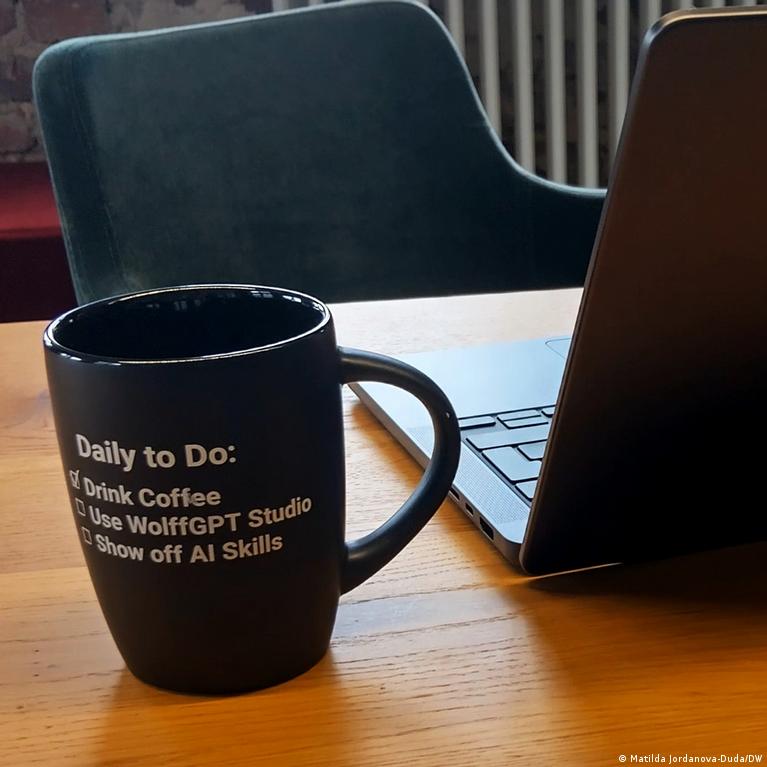
Dr. Wolff, a Bielefeld-based cosmetics and pharmaceutical company, has developed WolffGPT, a proprietary AI tool that employees use daily for tasks like writing workflows, creating presentations, and managing spreadsheets. The company created the in-house model to protect sensitive data while allowing staff to benefit from AI capabilities that many were already using in their personal time. The move reflects broader pressure on German manufacturers to adopt AI to improve efficiency and compete in an increasingly competitive market.

Meta Plans to Use AI to Detect and Remove Underage Users Under 13
Meta announced it will use artificial intelligence to identify and remove accounts belonging to users under 13 years old by analyzing profile content for contextual clues like birthday celebrations and school grade mentions. The move comes after the European Commission found Meta failed to prevent children under 13 from using Instagram and Facebook in the EU. The initiative raises concerns among experts about invasive data collection practices and whether such measures genuinely protect minors or simply create targeted advertising profiles.
Germany and Japan Accelerate Hydrogen Vehicle Development Through BMW-Toyota Partnership
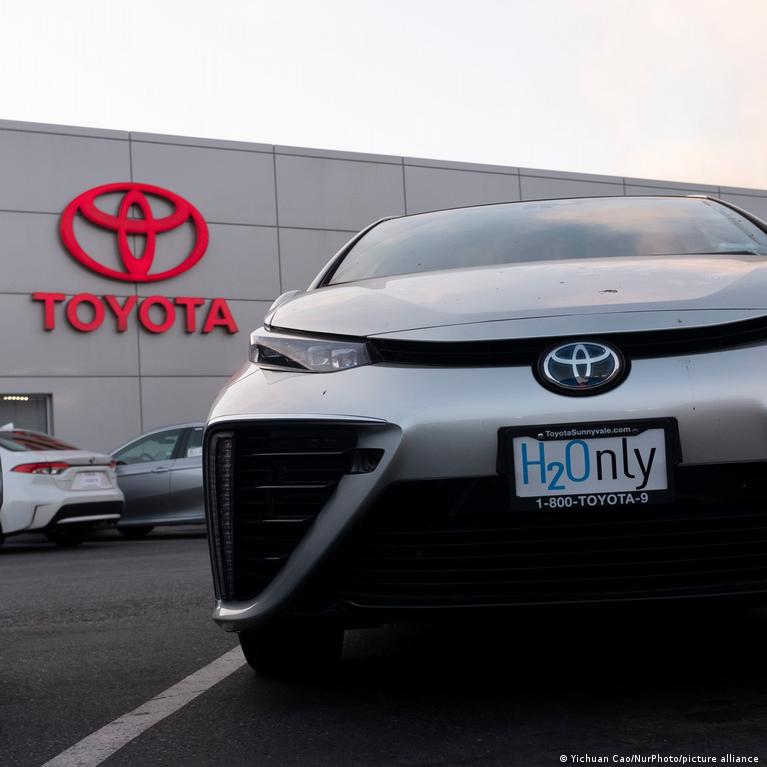
German Transport Minister Patrick Schnieder visited Toyota's fuel cell factory in Japan, where BMW and Toyota are jointly developing third-generation hydrogen fuel cell technology for commercial production. Both countries are expanding hydrogen infrastructure and capacity as part of a broader energy partnership launched in 2019, with BMW planning to launch its first hydrogen series model in 2028. The collaboration reflects efforts by both nations to diversify transportation fuel sources beyond batteries and fossil fuels, though hydrogen remains a niche fuel with significant infrastructure and cost challenges ahead.