Anthropic's Claude Code Creator Reports Managing Tens of Thousands of AI Agents Daily
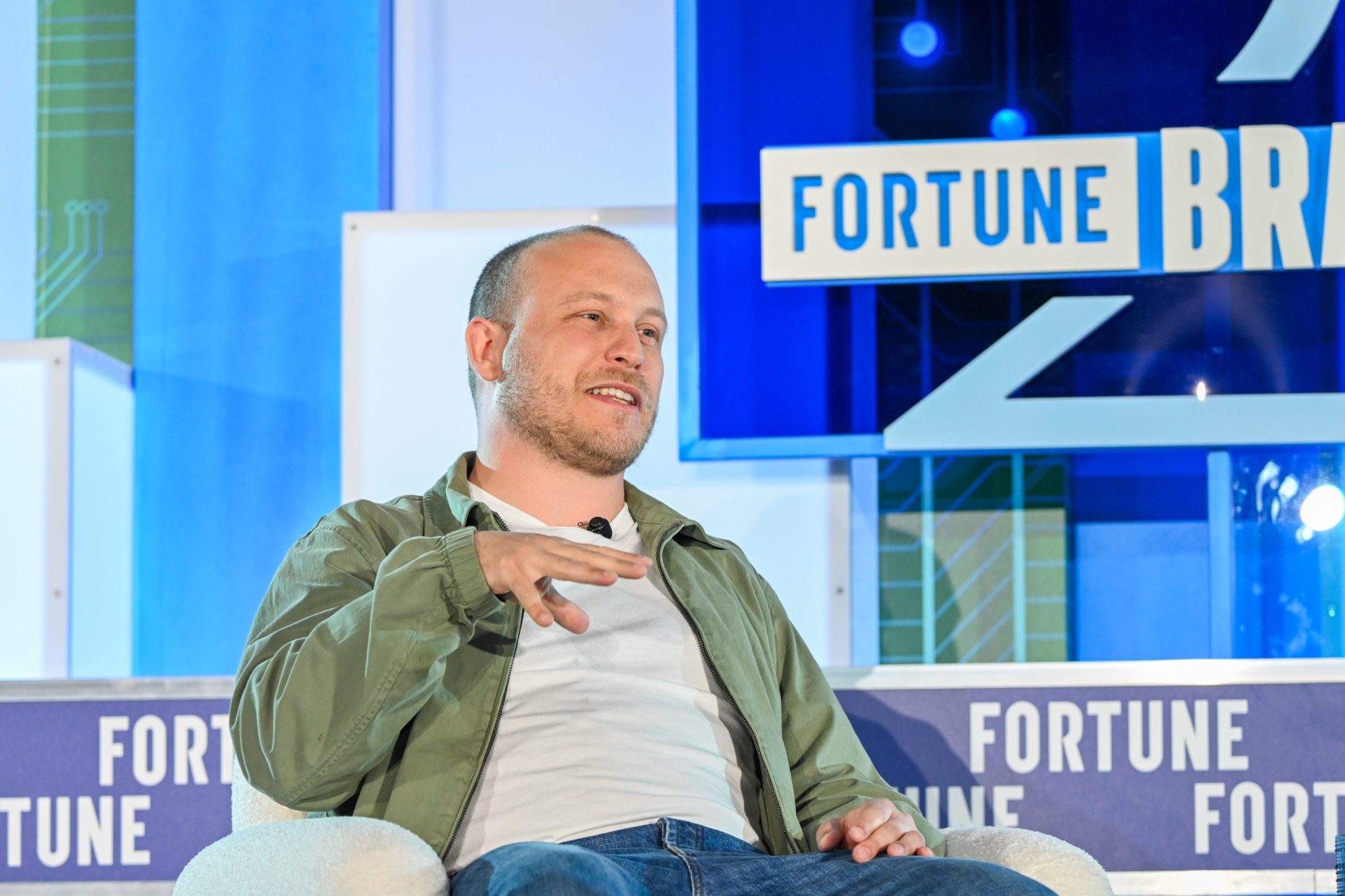
Boris Cherny, head of Anthropic's Claude Code, stated at Fortune Brainstorm Tech that he now manages anywhere from hundreds to tens of thousands of AI agents daily, a dramatic shift from managing single instances a year and a half ago. Claude Code has evolved to use sub-agents that prompt other Claude instances, with the system now writing code autonomously and performing its own security reviews. Cherny compared the impact to the printing press and acknowledged recursive self-improvement as a significant risk that Anthropic is taking seriously.
At the Fortune Brainstorm Tech conference in Aspen, Boris Cherny described a fundamental shift in how AI coding assistants are being deployed at Anthropic. Rather than developers manually prompting Claude Code in individual terminal windows, the system now operates with multiple layers of AI agents that coordinate with each other, with some days involving management of tens of thousands of agents simultaneously. Cherny noted that Claude Code has increased code production at Anthropic by 8x since the beginning of the year and is now capable of autonomous action, including reviewing its own security and identifying new features to build. He drew parallels to the printing press's transformative societal impact, suggesting AI coding assistants could unlock similarly profound innovation by lowering barriers to software creation. Cherny acknowledged significant risks, particularly around recursive self-improvement—where AI systems could autonomously design and improve their successors—describing it as "one of the big risks for AI."
What's missing
The article does not provide specific details about what safeguards or oversight mechanisms Anthropic has implemented to manage the risks of recursive self-improvement and autonomous AI agent coordination that Cherny acknowledged.
What different sources said
- FortuneCenter
Anthropic’s Boris Cherny, creator of Claude Code, says there are days he manages tens of thousands of AI agents at once
Related

Blacksmith CI Service Charges $1,081 to User on Free Trial Without Credit Card on File
A developer team using Blacksmith, a GitHub Actions alternative, received a $1,081 invoice after exceeding free tier limits without having provided a credit card. The company's free trial continued accruing charges rather than stopping service, contrary to typical SaaS conventions. The incident raises questions about whether such billing practices are legally permissible and whether they align with user expectations.

Apple Testing Camera-Equipped AirPods for AI-Enhanced Siri, But Privacy Concerns May Delay Launch
Apple has designed AirPods with built-in cameras to give Siri visual context for user requests and is in late-stage testing with employees, according to Bloomberg reporting. The cameras would enable features like landmark-based navigation, food identification, and smarter contextual assistance, though they would not record photos or video like smart glasses. However, Wired reports Apple may delay the product due to insufficient AI capabilities and executive concerns about privacy risks without compelling use cases.

AI Companies Adopt Serif Fonts to Signal Trustworthiness and Human Touch
AI companies like Claude, Perplexity, and Runway are increasingly using serif fonts in their branding and user interfaces, a shift designers attribute to efforts to make artificial intelligence appear more human and trustworthy. Serif typefaces, historically associated with print media, books, and authority, contrast with the cleaner sans-serif fonts often perceived as computer-like and cold. The trend reflects broader public skepticism about AI and companies' attempts to build confidence in their products through design choices that evoke human craftsmanship and reliability.