Analysis: Trump Immigration Restrictions Disproportionately Target Climate-Vulnerable Nations
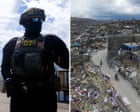
A Guardian analysis found that 22 of 39 countries with US entry restrictions under the Trump administration are ranked among the world's most climate-vulnerable nations, according to the Notre Dame Global Adaptation Initiative. Climate-driven disasters like storms, floods, and droughts are forcing millions from these countries to seek refuge elsewhere. The restrictions complicate migration pathways for people displaced by climate impacts that scientists link to fossil fuel emissions.
The Guardian's analysis of Trump administration immigration policies reveals that the majority of countries facing full or partial US entry restrictions are among those most vulnerable to climate-related disasters. Using data from the Notre Dame Global Adaptation Initiative, researchers found that 22 of 39 restricted countries fall within the most climate-vulnerable quarter globally. Nations including Chad, Niger, Sudan, Somalia, Sierra Leone, and Honduras—all ranked among the world's most climate-exposed countries—face entry bans or visa restrictions. The administration has also sought to terminate Temporary Protected Status (TPS) for people from 13 countries, nearly half of which are classified as highly climate-vulnerable. The UN estimates that climate-driven disasters have displaced approximately 250 million people globally over the past decade, yet these new restrictions make it significantly harder for climate-displaced persons to seek refuge in the United States.
What's missing
The article does not provide the Trump administration's stated rationale for the specific country selections in the entry restrictions, nor does it include detailed response from State Department officials beyond noting that a comment was requested. Additionally, the analysis does not quantify how many actual climate migrants or asylum seekers from these countries have been affected by the restrictions, or compare the scale of climate displacement from restricted versus non-restricted countries.
What different sources said
- The Guardian USLeft
Trump targeting immigrants from countries hit most by climate shocks
Related

Nigel Farage Returns to Public View After Seven Weeks of Limited Appearances Following £5m Donation Controversy
Nigel Farage, leader of Reform UK, re-emerged publicly on Wednesday after seven weeks of largely avoiding media scrutiny following revelations that he received a £5 million personal gift from a crypto billionaire. The donation has been explained differently in various interviews—as payment for security, a Brexit reward, and other justifications—while Farage has cancelled events and limited public appearances. His return comes as Reform UK loses political ground to the further-right Restore Britain party, and observers suggest his absence has been an attempt to dodge accountability on the donation's origins and propriety.

Meta Employee Detained by Immigration Authorities Following Company Layoffs
A former Meta employee who was laid off on May 20 was recently detained by US immigration authorities, according to internal company communications reviewed by WIRED. The employee, whose nationality and visa status remain unconfirmed, was believed to be detained in El Paso, Texas, near the US-Mexico border. The incident highlights vulnerabilities for international workers on visa sponsorships who lose employment and the broader context of intensified immigration enforcement under the Trump administration.

EPA Replaces Desk Phones with Laptop Calling Software; Union Raises 911 Safety Concerns
The EPA replaced employee desk phones with calling software on laptops, prompting the largest EPA employee union to raise safety concerns about 911 geolocation functionality. The union claims the software does not reliably transmit location data to emergency responders, creating potential risks during medical emergencies. The issue highlights broader workplace safety and emergency response reliability questions in federal agency modernization efforts.